
 Save to Pinterest
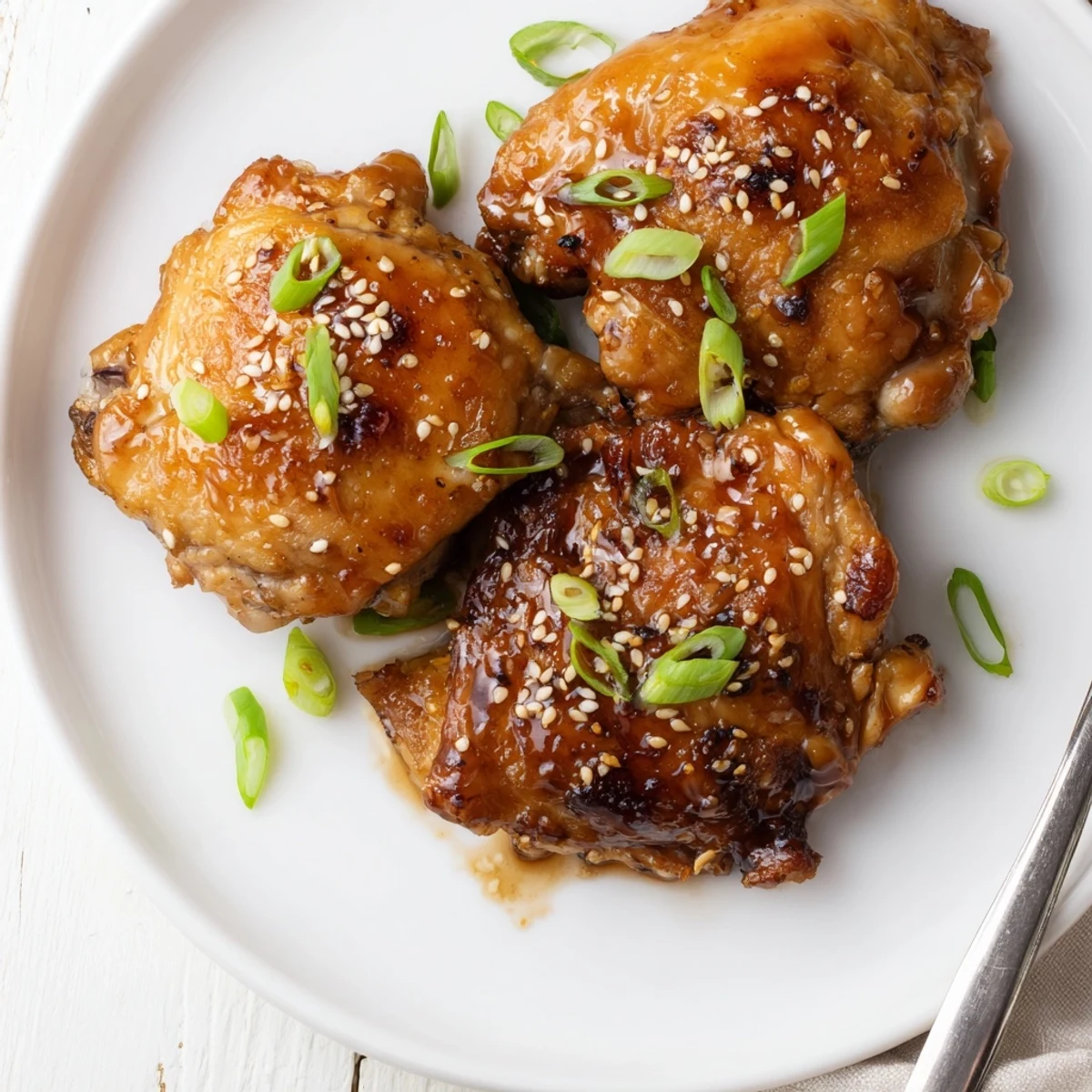
 These bone-in chicken thighs deliver exceptional flavor and texture. The skin becomes irresistibly crispy while the meat stays juicy and tender. The homemade teriyaki sauce strikes the perfect balance between savory soy sauce, sweet honey and brown sugar, and aromatic garlic and ginger. Oven-roasting creates beautiful caramelization while keeping cleanup simple.
Marinate for 30 minutes or overnight for deeper flavor penetration. The sauce thickens beautifully into a glossy coating that clings to every bite. Serve over steamed rice with roasted vegetables for a satisfying weeknight dinner that feels restaurant-quality.
The smell of teriyaki caramelizing in the oven is enough to make anyone lingering near the kitchen doorway lose all willpower. My neighbor actually knocked once while I was making these thighs, pretending to return a borrowed book, just to find out what was cooking. The beauty of bone in chicken thighs is that they practically forgive you for any small distraction, staying juicy and forgiving even if you lose track of time by a few minutes. It is the kind of recipe that turns a regular Tuesday into something worth sitting down for.
A friend brought over a bottle of cheap sake one evening and we stood in the kitchen basting these thighs, laughing at how seriously we were taking the glaze situation. The chicken came out with this deep amber shell that made us both go quiet for a solid minute before digging in. We never did drink the sake, but we polished off every last piece of chicken and half a pot of rice between the two of us.
Ingredients
- 8 bone in, skin on chicken thighs (about 1.5 kg): The bone keeps the meat incredibly moist during roasting while the skin renders into something magical. Leave the skin on, trust me on this one.
- 1/3 cup soy sauce: This is the salty backbone of the entire teriyaki flavor profile. Use a good quality Japanese soy sauce if you can find one.
- 1/4 cup mirin: That unmistakable sweetness and subtle tang comes from this Japanese sweet rice wine. No substitute truly matches it, though dry sherry with extra honey comes close in a pinch.
- 2 tbsp honey: Helps the glaze cling and caramelize beautifully on the skin. It also balances the saltiness of the soy sauce with a rounder, more floral sweetness than sugar alone.
- 2 tbsp brown sugar: Deepens the color and adds a molasses note that honey cannot quite replicate on its own.
- 2 tbsp rice vinegar: A gentle acidity that keeps the sauce from tipping into cloying territory. It brightens everything up.
- 2 cloves garlic, minced: Fresh garlic bruised and minced releases oils that perfume the entire marinade from within.
- 1 tbsp fresh ginger, grated: Grated ginger melts into the sauce and gives it a warm, slightly spicy hum underneath all the sweetness.
- 1 tbsp sesame oil: Just a small amount adds a nutty aroma that makes the whole kitchen smell like a Japanese tavern. Toasted sesame oil is what you want here, not the neutral kind.
- 1 tbsp cornstarch (optional): Mixed with water, this transforms thin marinade into a glossy sauce that coats the chicken like varnish.
- 2 tbsp water (optional): Used to dissolve the cornstarch before stirring into the simmering sauce so it does not clump.
- 2 green onions, thinly sliced: Scattered over the top at the end for a fresh, crisp contrast to the sticky glaze.
- 1 tbsp toasted sesame seeds: More than just garnish, they add a tiny crunch and a burst of toasted flavor with every bite.
Instructions
- Build the marinade:
- In a large bowl, whisk together the soy sauce, mirin, honey, brown sugar, rice vinegar, garlic, ginger, and sesame oil until the sugars begin to dissolve. Give it a taste and notice how the salty, sweet, and tangy notes play off each other before the chicken even enters the picture.
- Coat the chicken:
- Add the chicken thighs to the bowl and turn each one until every surface glistens with marinade. Cover and tuck them into the refrigerator for at least 30 minutes, though overnight is where the real transformation happens.
- Prepare the oven:
- Preheat your oven to 200 degrees Celsius (400 degrees Fahrenheit) and line a baking tray with parchment paper or foil. This saves you from scrubbing baked on teriyaki later, which is a chore nobody deserves.
- Arrange and roast:
- Pull the thighs from the marinade, shaking off the excess, and lay them skin side up on the tray. Pop them into the oven and let them roast undisturbed for the first 20 minutes while your kitchen fills with the most incredible smell.
- Baste and finish roasting:
- After 20 minutes, open the oven and brush the chicken generously with the reserved marinade. Continue roasting for another 15 to 20 minutes until the skin is burnished and the internal temperature hits 75 degrees Celsius (165 degrees Fahrenheit).
- Reduce the sauce:
- While the chicken finishes, pour the remaining marinade into a small saucepan and bring it to a rolling boil. If you want a thicker glaze, stir in the cornstarch slurry and simmer for 3 to 5 minutes until the sauce turns glossy and coats the back of a spoon.
- Glaze and serve:
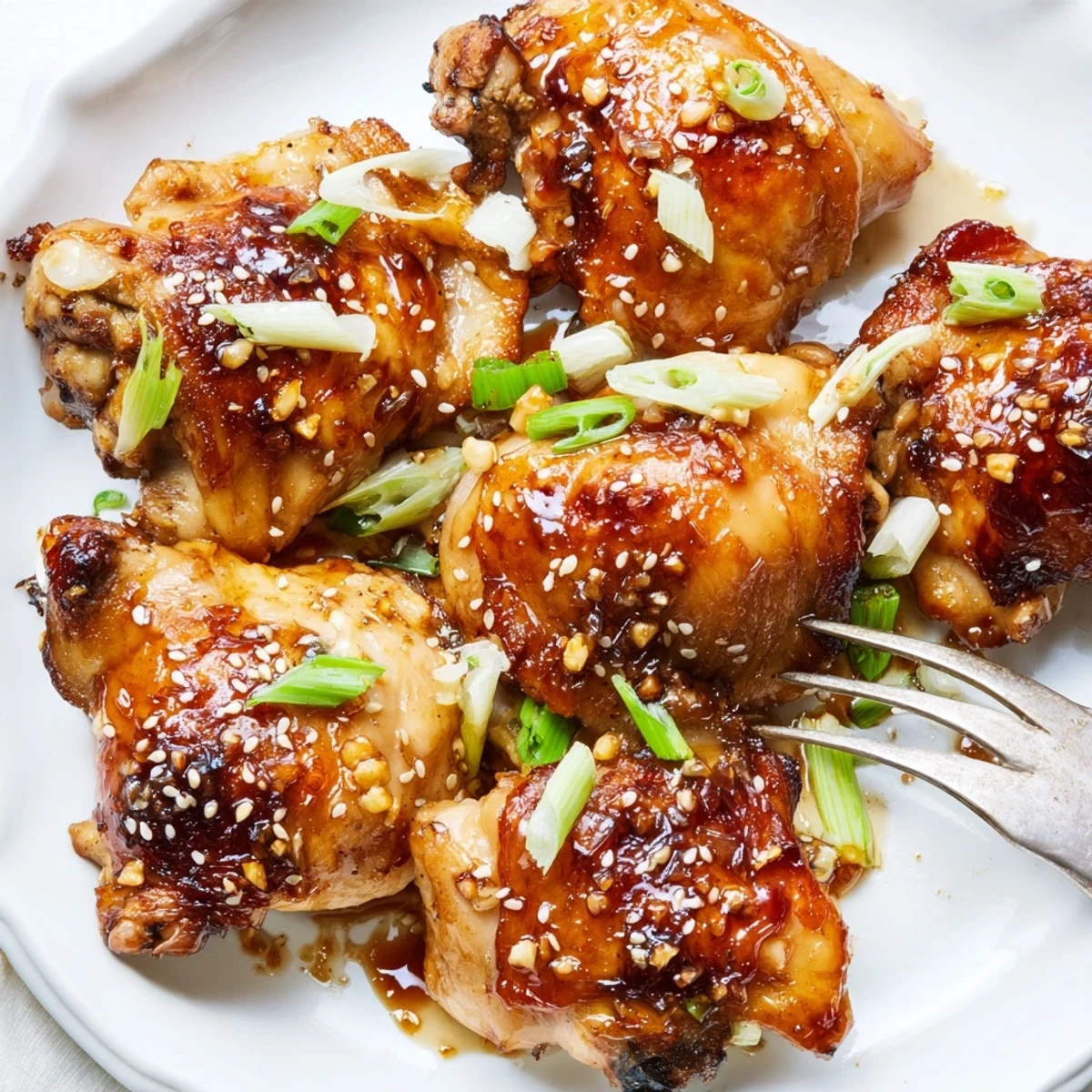
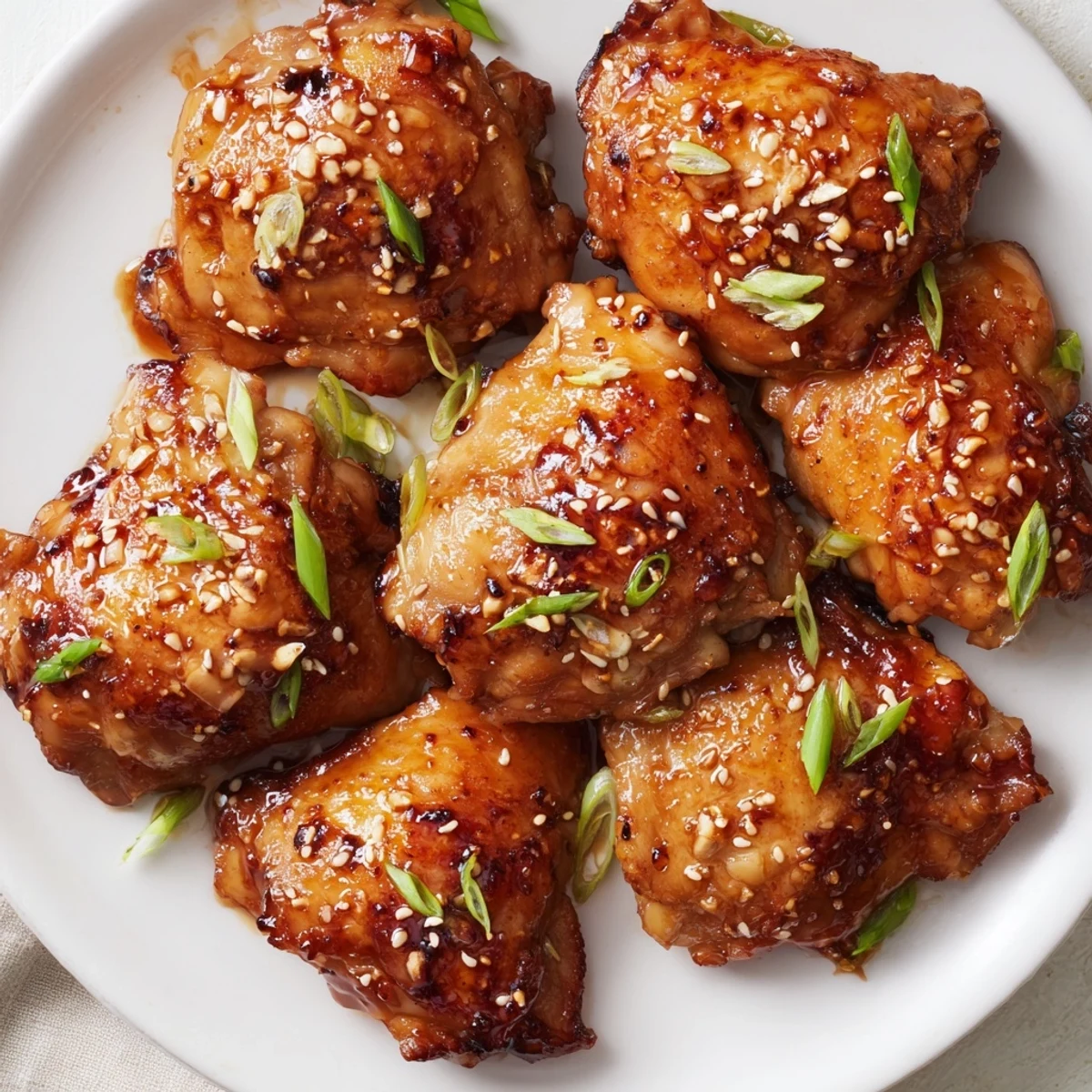
- Transfer the golden thighs to a serving platter and drizzle generously with that reduced sauce. Scatter the sliced green onions and sesame seeds over the top and serve immediately while the skin is still sticky and crisp.
 Save to Pinterest
 There was a Sunday when I set a platter of these on the dining table and my normally picky teenage cousin reached for a second piece before finishing the first. Nobody spoke much during that meal, which is the highest compliment any home cook can receive.
What to Serve Alongside
Steamed white rice is the obvious and perfect partner here, soaking up every drop of the extra sauce. A simple side of sauteed bok choy or snap peas with a squeeze of lime cuts through the richness and adds some welcome crunch. If you are feeling ambitious, a bowl of miso soup turns the whole plate into a meal that feels like it came from a neighborhood izakaya.
Making It Your Own
A pinch of chili flakes stirred into the marinade gives the glaze a low, warm heat that builds with each bite. You could also swap the honey for maple syrup if you want a slightly different sweetness with a hint of autumn. Some nights I toss a handful of broccoli florets right onto the baking tray during the last 15 minutes, and they roast in the chicken drippings in a way that makes them almost steal the show.
Storing and Reheating
Leftover thighs keep beautifully in an airtight container in the refrigerator for up to three days, and the flavor actually deepens overnight. Reheat them in a 180 degree Celsius (350 degree Fahrenheit) oven for about 10 minutes to bring the skin back to life rather than using a microwave, which will make it soggy. The sauce thickens further when chilled, so loosen it with a splash of water while reheating.
- Freeze cooked chicken in the sauce for up to two months and thaw overnight in the fridge for a near effortless future dinner.
- Shred any remaining cold chicken over a salad with a sesame ginger dressing for lunch the next day.
- Always check the internal temperature when reheating to ensure it reaches at least 74 degrees Celsius (165 degrees Fahrenheit) throughout.
 Save to Pinterest
 This is the recipe you will reach for when you want something that tastes like you tried much harder than you actually did. Make it once, and it will become part of your permanent rotation without even asking permission.
Recipe FAQs
- → How long should I marinate the chicken?
-
Marinate for at least 30 minutes to infuse flavor, but for maximum taste, refrigerate overnight. The longer marinating time allows the soy sauce, ginger, and garlic to penetrate deeply into the meat, resulting in more flavorful chicken throughout.
- → Can I use boneless chicken thighs instead?
-
Yes, boneless thighs work well but reduce the cooking time to 25-30 minutes. Bone-in thighs provide better flavor and moisture retention during roasting, plus the crispy skin is a highlight. If using boneless, watch closely to prevent drying.
- → What can I substitute for mirin?
-
Replace mirin with dry sherry plus an extra teaspoon of honey. White wine with a pinch of sugar also works in a pinch. The substitution may slightly alter the authentic Japanese flavor profile, but the teriyaki will still be delicious.
- → How do I know when the chicken is done?
-
Use a meat thermometer to check the internal temperature reaches 75°C (165°F) at the thickest part. The juices should run clear when pierced, and the skin should be golden brown and crispy. If glazing, the sauce should look bubbly and caramelized.
- → Can I make this gluten-free?
-
Absolutely. Substitute regular soy sauce with tamari or a certified gluten-free soy sauce alternative. Check all ingredient labels, especially the soy sauce, to ensure they're gluten-free. The rest of the ingredients are naturally gluten-free.
- → How should I store leftovers?
-
Store cooled chicken in an airtight container in the refrigerator for up to 3 days. Reheat gently in the oven at 160°C (320°F) for 10-15 minutes to restore crispy skin, or microwave in 30-second intervals. The sauce can be stored separately and reheated on the stovetop.