
 Save to Pinterest
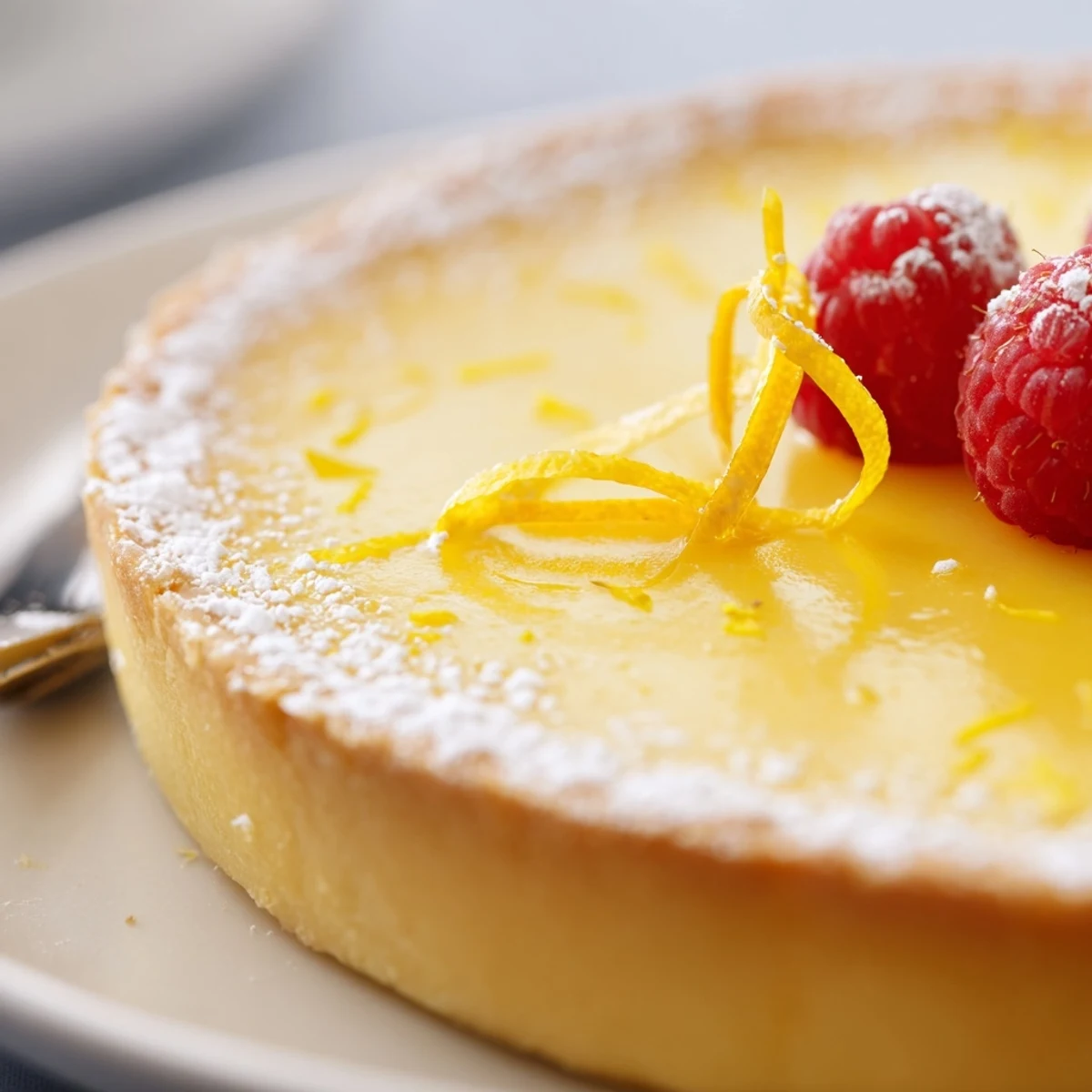
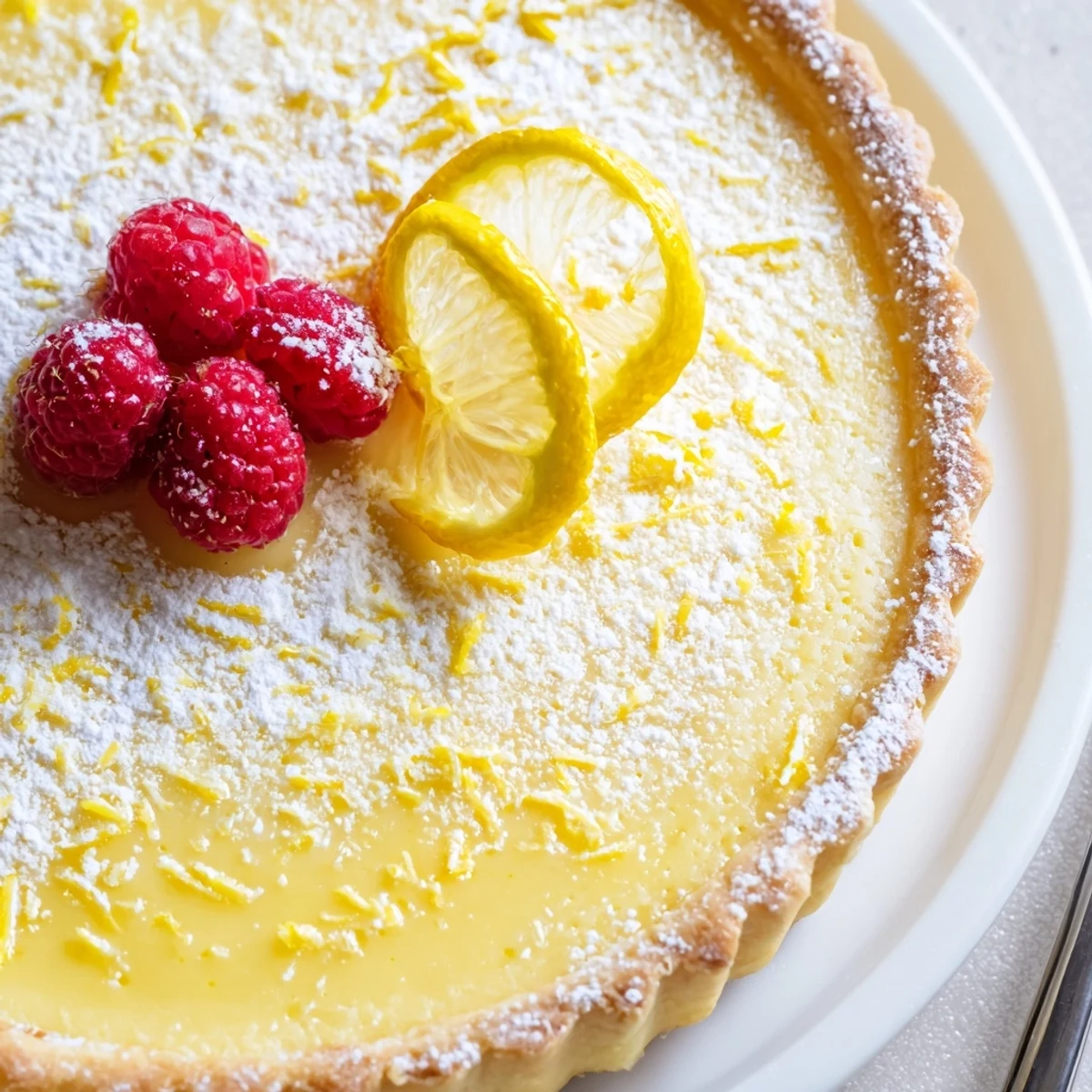
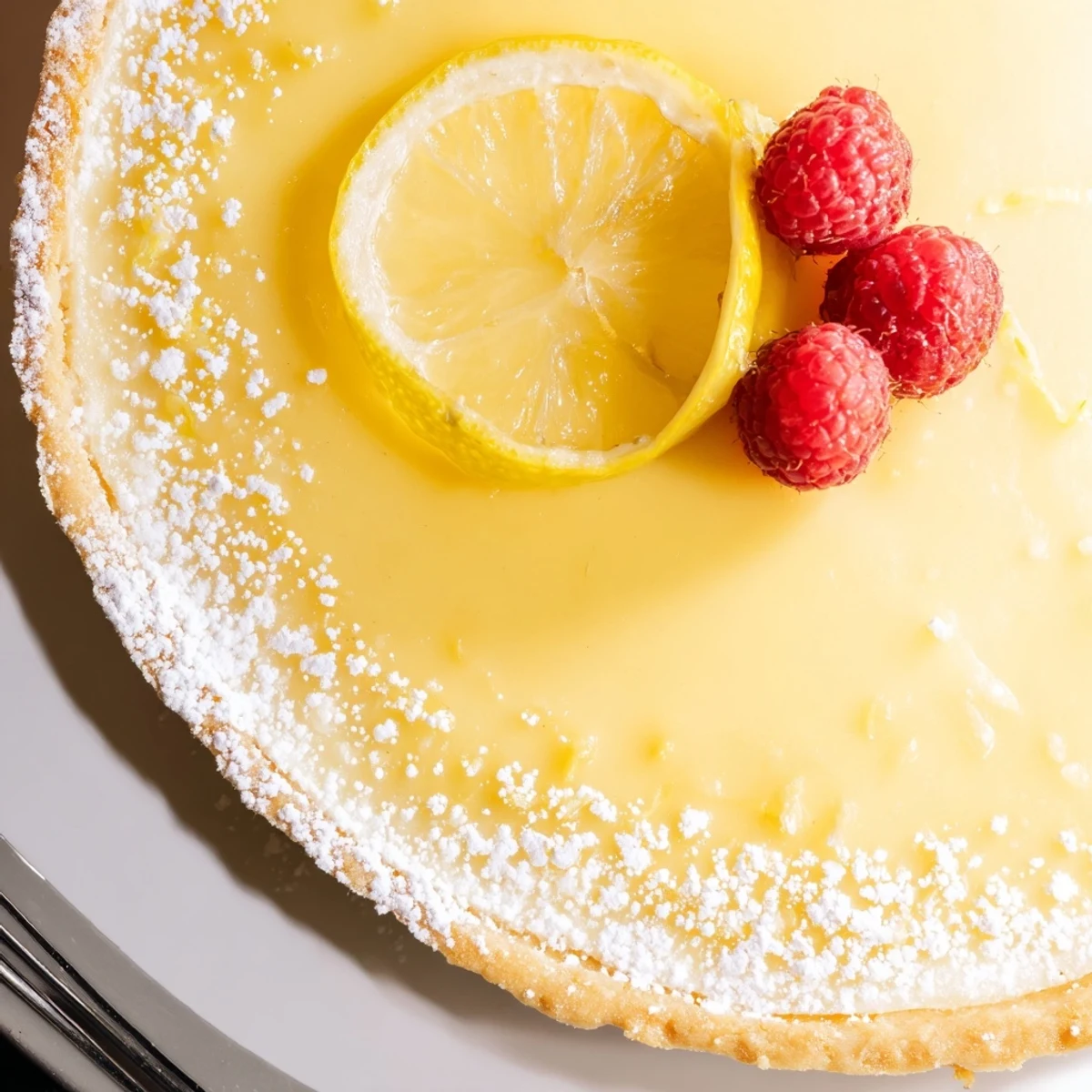
 Make a tender, buttery tart shell by pulsing flour, powdered sugar, salt and cold butter, then bind with egg yolk and a little ice water. Chill the dough, roll and blind-bake at 350°F (175°C) until golden. Whisk heavy cream, sugar, whole eggs and yolks with lemon zest and juice until smooth; pour into the warm shell and bake at 300°F (150°C) until the edges are set and the center is slightly jiggly. Cool completely, then refrigerate at least 1 hour before dusting with powdered sugar and serving. Variations include a gluten-free flour blend or a touch of vanilla for aroma; garnish with berries or candied lemon slices.
Freshly squeezed lemon juice on my hands always wakes me up, especially on gray afternoons when I crave something vibrant. One rainy Sunday, the gentle thud of rain against the window was almost the perfect background music for baking. The scent of zest and warm sugar drifted through the kitchen, making each step feel surprisingly soothing. By the time the tart was ready, even the cat seemed to hover expectantly near the counter.
When I first made this tart for a dinner party, I remember running out of patience while waiting for it to cool, sneaking a piece before it was fully set. That slightly messy slice—imperfect yet perfect—got laughter from everyone, and convinced me sometimes impatience can be delicious.
Ingredients
- All-purpose flour: Choose a good quality flour for a crisp, buttery crust; I like to sift mine for extra tender results.
- Powdered sugar: It makes the crust subtly sweet and oh-so-smooth—don’t skip the sifting to avoid any lumps.
- Salt: Even a pinch brings out all the flavors; years ago I forgot it once, and the crust just tasted flat.
- Unsalted butter: Cold and cubed, it creates those irresistible flaky layers in the tart base.
- Large egg yolk: Adds richness and helps bind the dough together gently.
- Cold water: Add just enough for the dough to hold together but stay tender—I always start with two tablespoons.
- Heavy cream: The secret behind that silky, swoon-worthy filling.
- Granulated sugar: Brings balance to the tart lemons without making it cloying.
- Eggs and egg yolks: For custardy structure and that lovely sunny color.
- Lemon zest: Zest only the bright yellow—avoiding the bitter white pith—and you’ll get a magical citrus aroma.
- Fresh lemon juice: Nothing compares to fresh; I often roll the lemons first to coax out every drop.
- Pinch of salt: A final pop to keep the flavors lively and bright.
- Powdered sugar, berries, or candied lemons (for garnish): All optional, but they turn a humble tart into showstopper material.
Instructions
- Get that oven cozy:
- Preheat it to 350°F (175°C); the gentle warmth is important for a perfect bake.
- Blend the crust basics:
- Combine your flour, powdered sugar, and salt in a food processor—listen for the soft whoosh—and pulse in the cold butter until the mixture looks like damp sand.
- Bring the dough together:
- Add egg yolk and a splash or two of cold water, pulsing just until it barely comes together; too much mixing makes things tough.
- Rest and roll:
- Shape the dough into a disk, wrap it tightly, and chill for half an hour; this wait absolutely pays off in flakiness.
- Shape and freeze:
- Roll the dough to an even 1/8-inch, line your tart pan, trim the edges, prick with a fork, and pop it in the freezer for 10 minutes so it doesn’t slump in the oven.
- Blind bake that base:
- Line with parchment, fill with pie weights, and bake 15 minutes—then uncover and bake until golden and fragrant, about 8 to 10 minutes more.
- Tune down the oven:
- Lower the heat to 300°F (150°C) so the filling cooks gently without curdling.
- Mix up the lemon love:
- In a bowl, whisk the cream, sugar, eggs, yolks, zest, lemon juice, and salt until silky-smooth and full of promise.
- Fill and bake:
- Pour the sunshine-bright filling into your warm crust and bake for 20–25 minutes; the edges should look set but the very center should jiggle slightly.
- Cool and chill:
- Let cool to room temperature, then set it in the fridge for at least an hour—worth every minute as the filling firms up dreamily.
- Dress it up:
- Dust with powdered sugar and scatter a few berries or candied lemon slices if you like, then serve up slices to your happy crowd.
 Save to Pinterest
 I’ll never forget serving this tart after a big family meal—conversations quieted as everyone took their first creamy, citrusy bite. It was one of those rare moments when dessert brought total, content silence around the table.
The Art of Lemon Zesting
Over time, I found that using a fine microplane is absolute gold when zesting lemons. It glides over the fruit and spares my knuckles, producing such fragrant results that the whole kitchen feels sunny and fresh.
Mastering That Flaky Crust
If you’re new to pastry, don’t fear: the dough just wants to be handled gently and kept cool. I chill everything—the butter, the water, even my mixing bowl if I remember—so the crust turns out crisp and never greasy.
Little Extras for Big Impact
For something special, I like to scatter a few sugared berries or edible flowers over the finished tart. Sometimes a drizzle of homemade raspberry sauce adds a nice color contrast and zing.
- Always slice the tart with a hot, clean knife for perfect edges.
- Let leftovers come back to room temp for best flavor.
- Store in an airtight container, but don’t be surprised if a midnight slice disappears.
 Save to Pinterest
 This tart’s a little ray of sunshine for any occasion, and even the process of making it feels like a treat. I hope you enjoy it as much as everyone in my kitchen has.
Recipe FAQs
- → How do I prevent a soggy tart base?
-
Freeze the assembled crust for 10 minutes and blind-bake with parchment and weights to seal the surface. Pricking the base and baking until light golden helps create a crisp barrier against the wet filling.
- → What gives the filling its silky texture?
-
Using a combination of whole eggs and extra yolks with heavy cream yields a smooth, custardy set. Whisk until homogeneous and avoid overbeating; gentle baking until just set keeps the center silky.
- → Can I make components ahead of time?
-
Yes. The crust can be blind-baked and stored for 1–2 days refrigerated, or frozen. The tart keeps well chilled for up to 48 hours; assemble and chill fully before serving for best texture.
- → Any tips for bright, fresh lemon flavor?
-
Use finely grated zest and freshly squeezed juice from ripe lemons. Zest added to the filling and a little extra sprinkled on top before baking intensifies citrus notes without adding bitterness.
- → How can I tell when the tart is done baking?
-
The edges should be set and slightly firm while the center remains a bit jiggly — it will continue to set as it cools. Avoid overbaking to preserve a creamy center.
- → Are there good substitutions for heavy cream?
-
For a lighter set, try a mix of whole milk and a spoon of butter per cup to increase fat, but expect a slightly less rich texture. For dietary swaps, use a full-fat nondairy cream alternative that tolerates baking.