
 Save to Pinterest
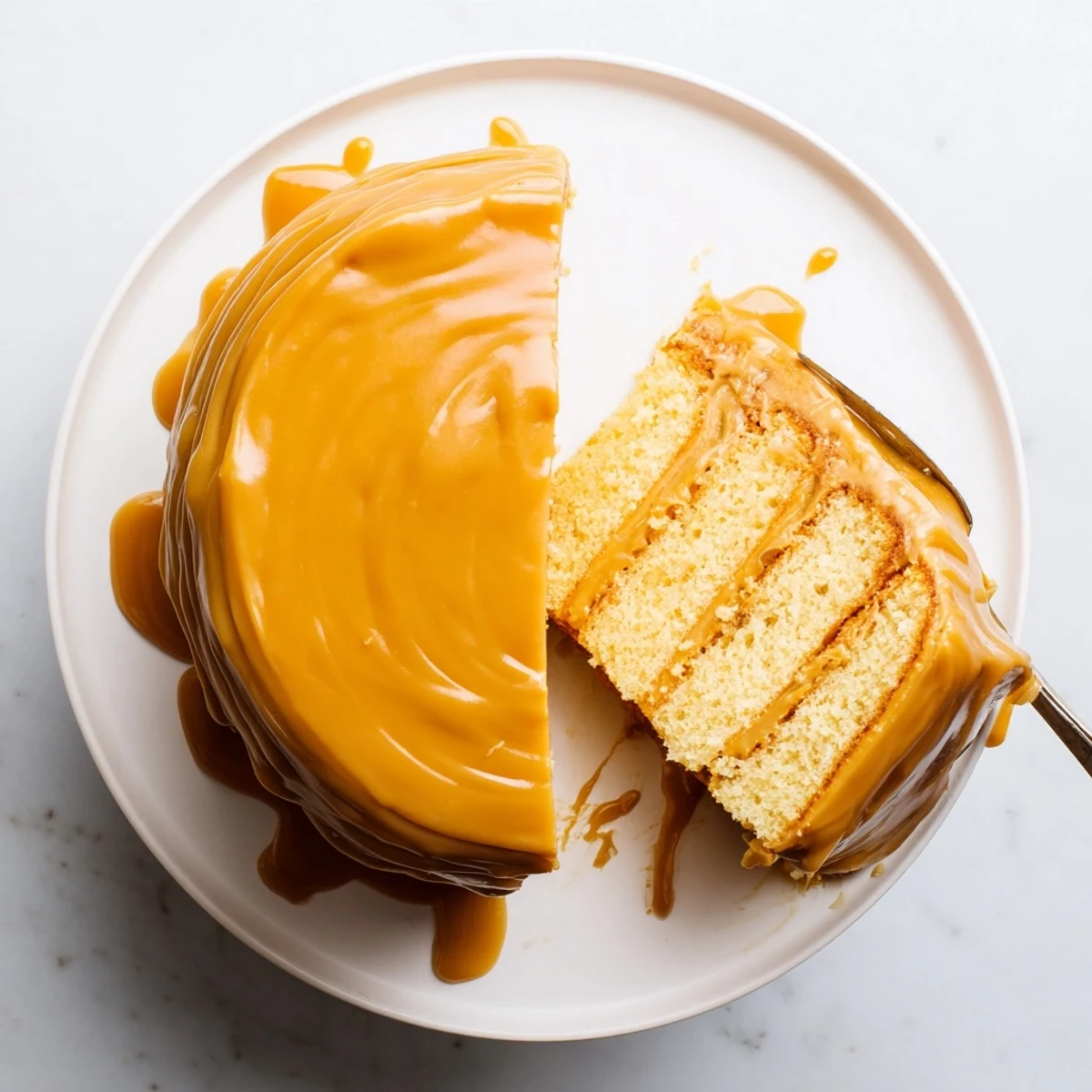
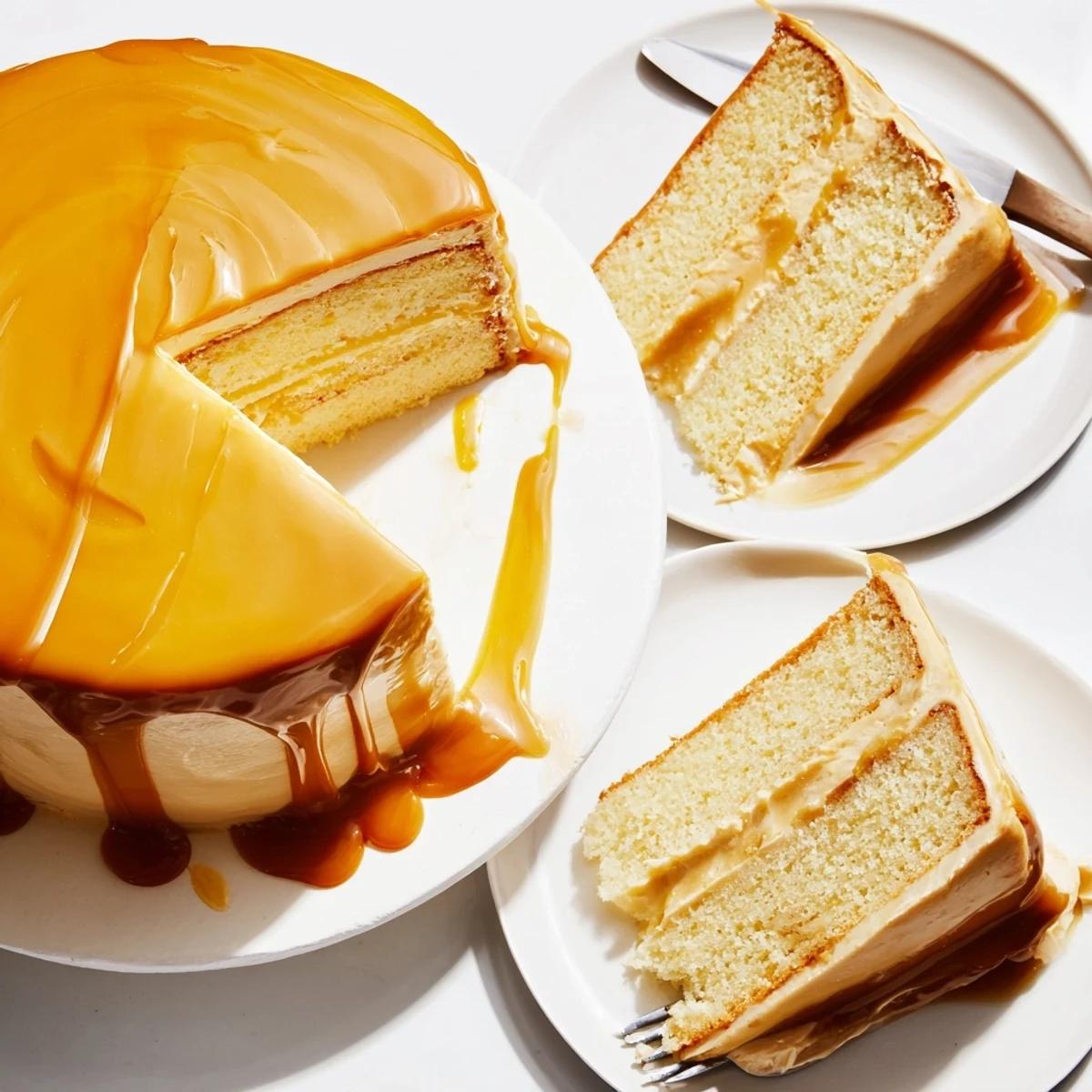
 This stunning three-layer cake combines tender buttery sponge with luxurious caramel frosting and a glossy golden drizzle. The result is an indulgent dessert that balances sweet caramel notes with a velvety smooth texture, making it ideal for birthdays, holidays, or any special celebration worth savoring.
The first time I attempted caramel from scratch, I stood over the stove watching sugar turn from white to amber with equal parts fascination and terror. That batch went from perfect to burnt in about thirty seconds flat. Now I make this cake for birthdays and dinner parties, and watching people's eyes close when they take that first bite never gets old.
My sister requested this for her wedding cake, which was the ultimate test of confidence. We made three tiers, each wrapped in caramel buttercream, and I've never been more nervous transporting anything in my life. When it survived the forty minute drive intact, I may have done a tiny victory dance in the parking lot.
Ingredients
- All-purpose flour: Provides structure and the foundation for tender cake layers
- Baking powder: Gives the lift needed for three airy, not dense, layers
- Salt: Balances sweetness and intensifies caramel's natural complexity
- Unsalted butter: Room temperature butter creams properly into the batter for even texture
- Granulated sugar: Sweetens while creaming creates tiny air pockets for a lighter crumb
- Large eggs: Bind ingredients and add richness when at room temperature
- Vanilla extract: Rounds out the caramel flavor with warm floral notes
- Whole milk: Creates a tender crumb and adds moisture to the batter
- Granulated sugar: Melting sugar creates the caramel base, patience is everything here
- Water: Helps dissolve sugar evenly before caramelization begins
- Unsalted butter: Cubed cold butter stops the cooking and adds silky richness
- Heavy cream: Tempers the hot caramel into a smooth pourable sauce
- Unsalted butter: Whipped until light, this becomes the cloudlike base for frosting
- Powdered sugar: Sifting prevents lumps and ensures silky smooth frosting
- Prepared caramel sauce: Swirled into buttercream for the most incredible flavor
Instructions
- Prepare your cake pans:
- Pan preparation is tedious but prevents broken cakes later, so grease thoroughly and cut parchment circles to fit the bottoms.
- Whisk the dry ingredients:
- Flour, baking powder, and salt need to be combined evenly before they meet the wet ingredients.
- Cream butter and sugar:
- This step creates air bubbles that make the cake tender, so beat for the full three to four minutes until pale and fluffy.
- Add eggs and vanilla:
- Room temperature eggs incorporate better, adding them one at a time prevents the batter from breaking.
- Combine wet and dry:
- Alternate adding flour mixture and milk in three additions, mixing only until just combined to avoid tough cake.
- Bake the layers:
- Divide batter evenly and bake until a toothpick comes out clean, checking around the twenty eight minute mark.
- Make the caramel sauce:
- Dissolve sugar in water over medium heat, then let it cook undisturbed until it turns a gorgeous amber color.
- Finish the caramel:
- Whisk in butter carefully then add cream and salt, letting it cool completely before using.
- Prepare the frosting:
- Beat butter until creamy then gradually add powdered sugar followed by caramel sauce and vanilla.
- Assemble the cake:
- Frost between layers then cover the top and sides, drizzling extra caramel over everything.
- Chill before serving:
- Thirty minutes in the refrigerator makes slicing cleaner and the flavors more pronounced.
 Save to Pinterest
 This cake showed up at every family gathering for an entire year after I first mastered it. My dad started requesting it instead of birthday cake, which is saying something for a man who insists he does not have a sweet tooth.
Making Caramel Without Fear
The trick to caramel is patience and accepting that you might burn a batch learning. Sugar melts unevenly at first, then suddenly everything comes together in a smooth amber liquid. Swirl the pan instead of stirring to encourage even melting without causing crystallization.
Getting Even Cake Layers
Weighing your pans empty then distributing batter by weight gives you perfectly even layers. If you do not have a scale, use a measuring cup to portion the same amount into each pan. Slightly uneven layers still taste delicious, so do not stress over perfection.
Storing and Make Ahead Tips
The caramel sauce keeps beautifully in the refrigerator for up to two weeks, just warm it gently before using. You can bake and wrap the cake layers a day ahead and frost when ready to serve. The assembled cake also freezes well for up to three months if you want to get ahead.
- Wrap unfrosted layers tightly in plastic then foil to prevent freezer burn
- Bring all ingredients to room temperature before frosting for the smoothest application
- Let the finished cake come to room temperature for about thirty minutes before serving
 Save to Pinterest
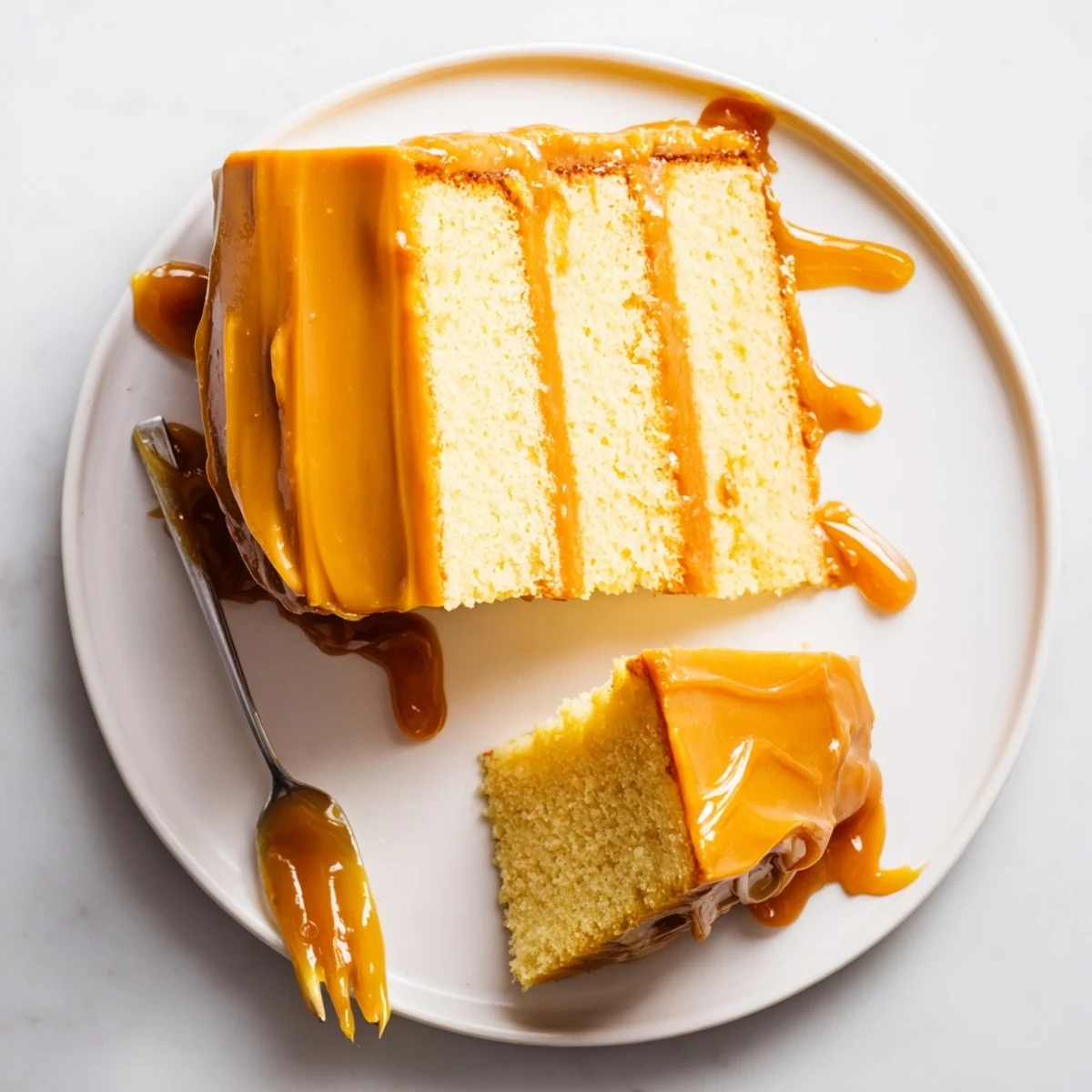
 There is something about serving a homemade layer cake that makes people feel celebrated. This one has that rare combination of being impressive to serve but genuinely approachable to make.
Recipe FAQs
- → How do I know when the caramel sauce is ready?
-
The caramel is ready when it turns a deep golden amber color, typically after 7-10 minutes of cooking. Watch carefully as it can burn quickly—remove from heat immediately once the desired color is achieved.
- → Can I make the layers ahead of time?
-
Yes, bake and cool the cake layers completely, then wrap tightly in plastic and freeze for up to a month. Thaw overnight at room temperature before frosting and assembling.
- → Why did my caramel seize up?
-
Caramel seizes when cold ingredients are added too quickly. Always ensure your butter and cream are at room temperature, and whisk them in gradually while the sugar mixture is off the heat.
- → How should I store the finished cake?
-
Keep refrigerated in an airtight container for up to 5 days. Bring to room temperature for 30 minutes before serving for the best texture and flavor.
- → Can I use salted butter instead?
-
You can, but reduce the added salt in both the cake and frosting by half. For the caramel sauce, using unsalted butter gives you more control over the final salt level.