
 Save to Pinterest
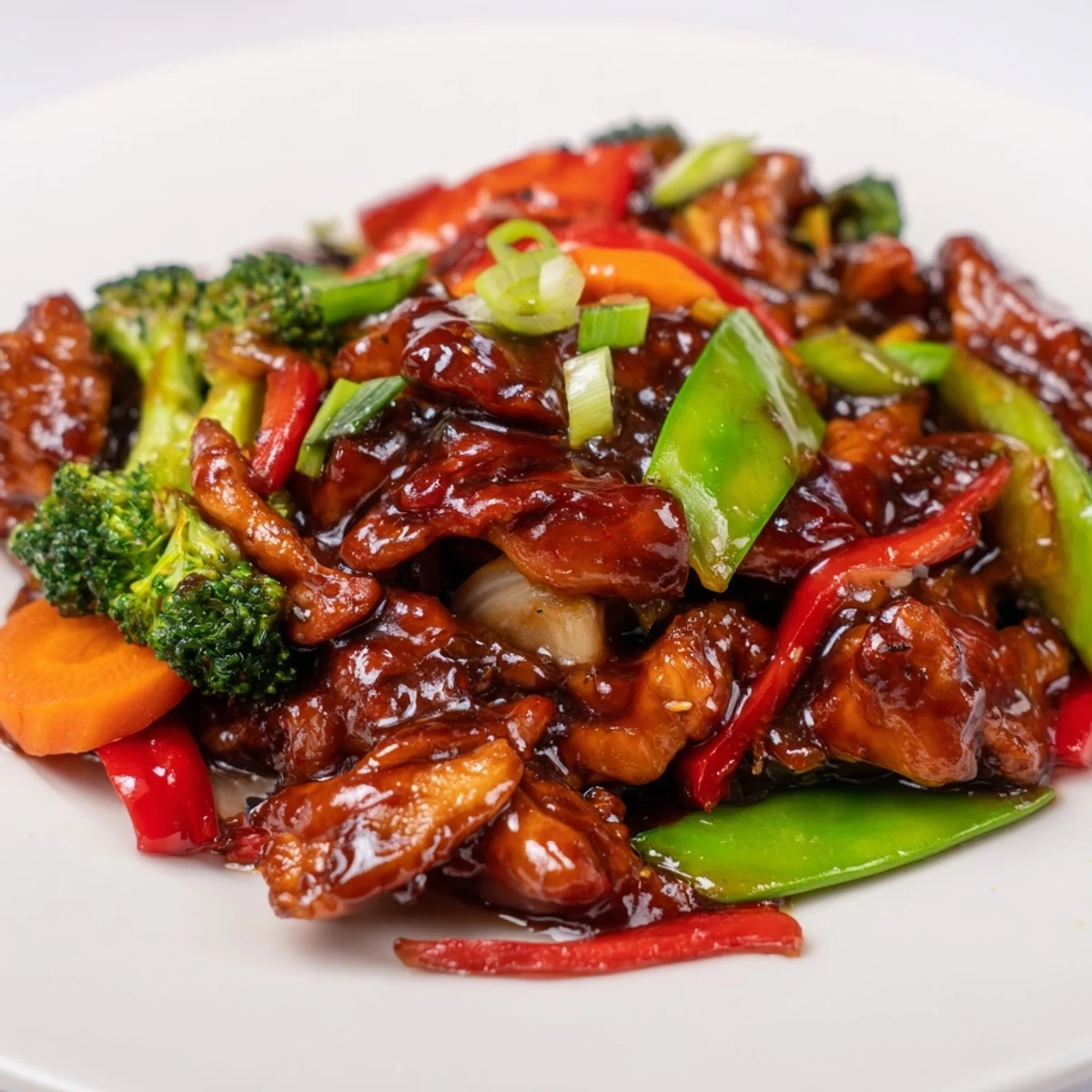
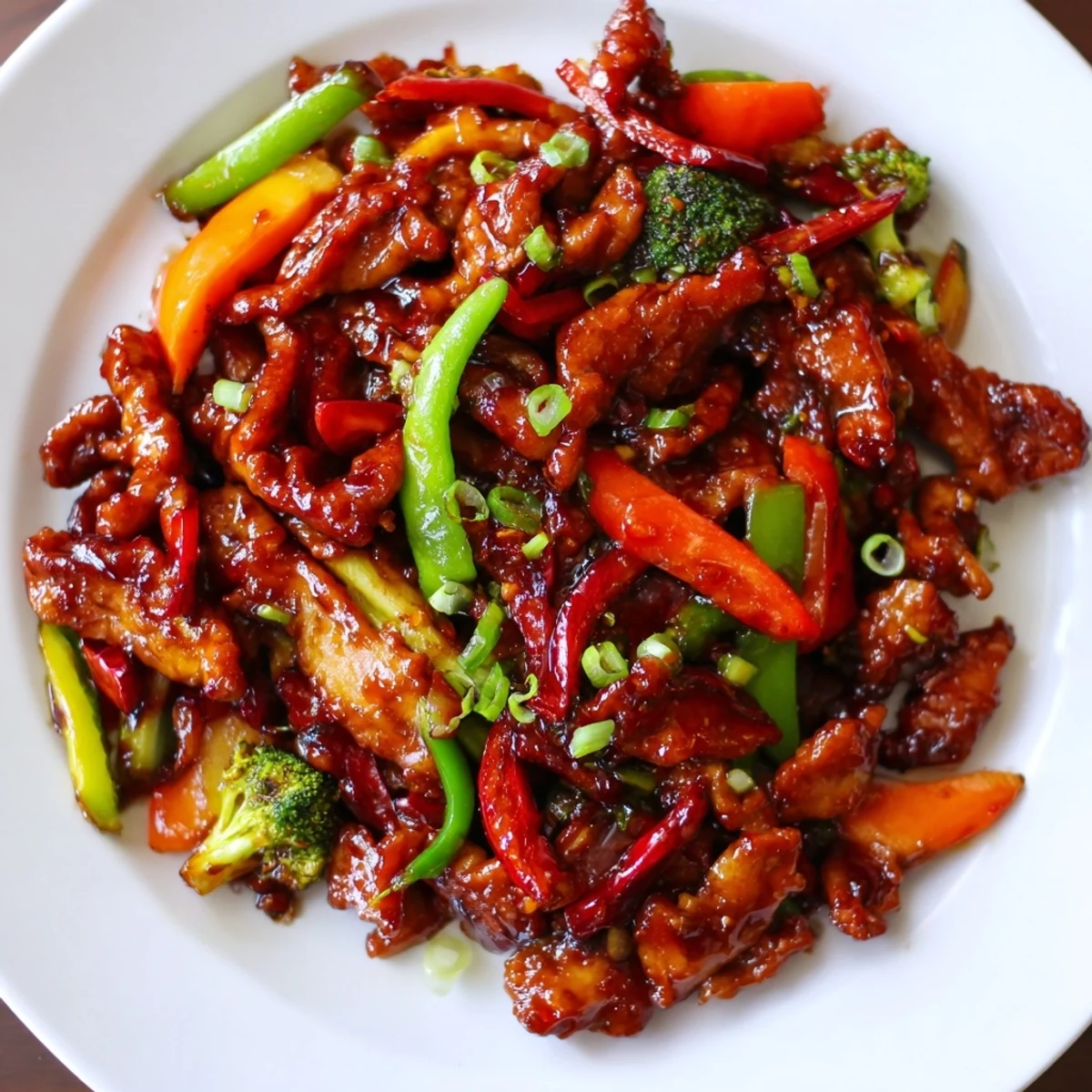
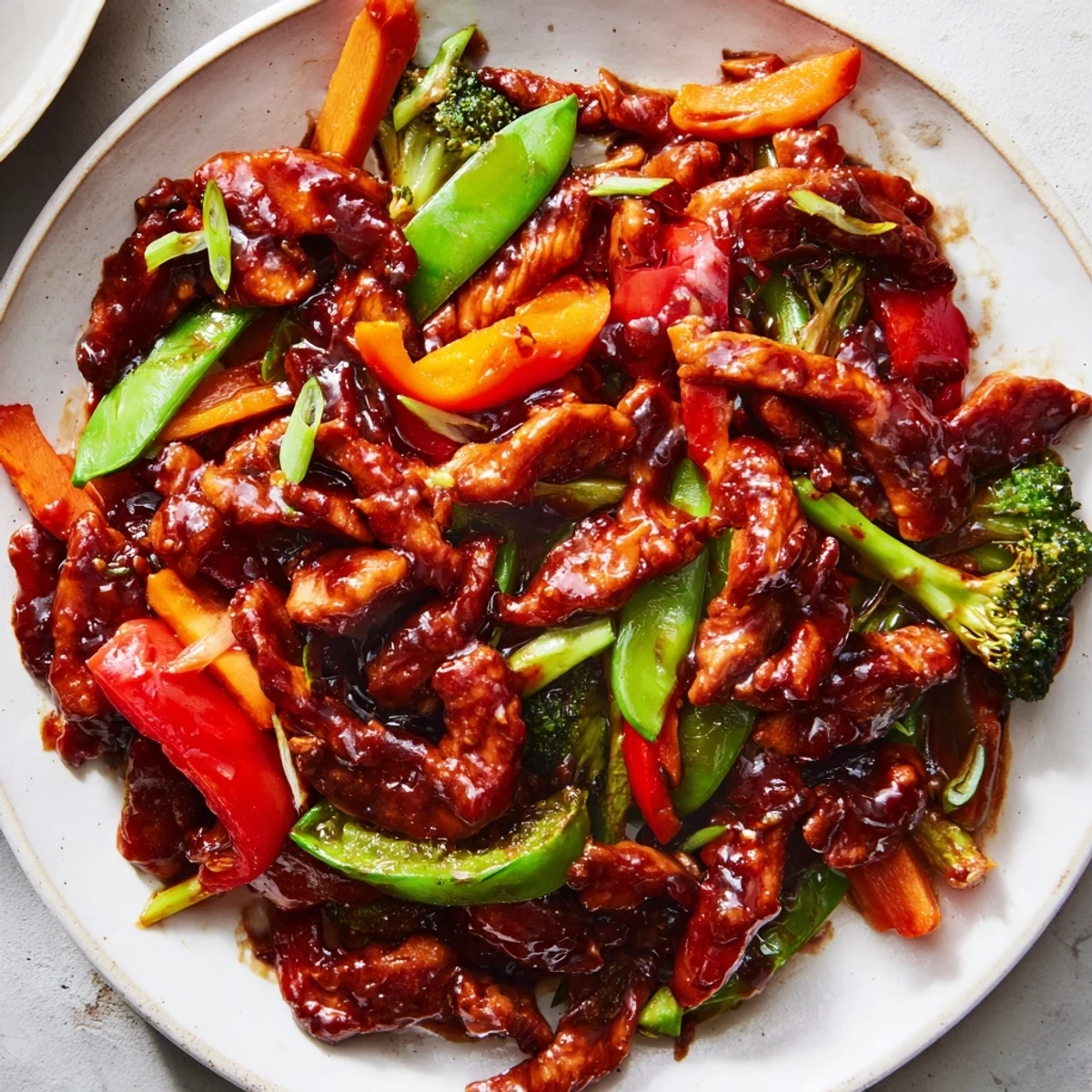
 This Hunan chicken stir-fry brings together thinly sliced, marinated chicken breast with colorful bell peppers, broccoli, snow peas, and carrots in a fiery chili-garlic sauce. The dish balances heat from chili paste with savory soy sauce, tangy rice vinegar, and rich oyster sauce.
Ready in just 35 minutes, it's perfect for busy weeknights when you crave bold Chinese flavors. Serve it over steamed jasmine rice to soak up every bit of that thick, glossy sauce.
The first time I attempted Hunan Chicken, I underestimated just how quickly everything happens once that wok gets hot. I was fumbling with sauce ingredients while my chicken was already seizing up, turning from tender to tough in seconds. Now I know better than prep everything before I even turn on the stove. Those few seconds of panic taught me that stir-frying rewards the prepared cook.
Last winter, my sister came over complaining about restaurant takeout always being too greasy or too bland. I whipped this up, and she watched in awe as vegetables turned glossy and vibrant instead of limp and sad. Now she texts me every time she attempts it herself, usually asking if its normal to set off her smoke alarm.
Ingredients
- 500 g boneless chicken breast: Cutting it against the grain and keeping slices thin ensures every bite stays tender through the high heat cooking
- 1 tbsp soy sauce: This starts building that savory base right into the meat itself
- 1 tbsp Shaoxing wine: If you cannot find it, dry sherry works surprisingly well
- 1 tsp cornstarch: This tiny amount creates a protective coating that keeps chicken silky
- 1 red and 1 green bell pepper: The different colors make the dish pop while adding sweetness
- 100 g broccoli florets: Cut them small so they cook through without turning mushy
- 100 g snow peas: They stay snappy and bright green, adding fresh crunch
- 1 carrot, sliced thinly: Use a vegetable peeler to shave ribbons if you want them extra delicate
- 2 spring onions: Both white and green parts go in for layers of flavor
- 2 cloves garlic and 1 tsp ginger: Mince these right before cooking so their oils stay potent
- 2 tbsp soy sauce and 1 tbsp oyster sauce: This duo creates that deep restaurant style umami
- 1 tbsp rice vinegar: Just enough brightness to cut through the richness
- 1 tsp sugar: Balances the salt and heat without making the sauce sweet
- 2 tsp chili paste: Start here and adjust, because every brand packs different heat
- 2 tbsp chicken stock: Water works in a pinch, but stock adds another layer of flavor
- 1 tsp cornstarch dissolved in water: This slurry is what transforms thin liquid into glossy coating sauce
- 2 to 3 tbsp vegetable oil: You need enough to keep everything from sticking but not so much it gets greasy
Instructions
- Marinate the chicken:
- Toss the sliced chicken with soy sauce, Shaoxing wine, and cornstarch until evenly coated. Let it sit for at least 10 minutes while you prep everything else.
- Mix the sauce:
- Combine soy sauce, oyster sauce, rice vinegar, sugar, chili paste, and chicken stock in a bowl. Keep the cornstarch slurry separate for now.
- Sear the chicken:
- Heat 1 tablespoon oil in a wok over high heat until it shimmers. Add chicken in a single layer and let it develop a golden crust before stirring, about 3 to 4 minutes total. Remove and set aside.
- Bloom the aromatics:
- Add another tablespoon of oil to the hot wok. Toss in garlic, ginger, and the white parts of the spring onions, stirring constantly for about 30 seconds until fragrant.
- Cook the vegetables:
- Add all the vegetables at once and keep them moving. Stir fry for 2 to 3 minutes until they are bright and just tender but still have snap.
- Combine everything:
- Return the chicken to the wok and pour in the sauce mixture. Toss everything together until the sauce bubbles and coats each piece.
- Thicken the sauce:
- Stir in the cornstarch slurry and cook for 1 to 2 minutes more. The sauce should turn glossy and cling to the chicken and vegetables.
- Serve immediately:
- Pile everything over steaming hot rice while the sauce is still shimmering.
 Save to Pinterest
 My neighbor smelled the garlic and chili wafting through the hallway and knocked on my door with a container of leftover fried rice. We ended up eating together at my tiny kitchen table, both of us slightly flushed from the heat, reaching for water between bites and laughing about how neither of us could handle spice like we used to.
Getting the Heat Right
High heat is non negotiable for that restaurant quality sear, but it also means everything happens lightning fast. I keep a small bowl of water near the stove because if things start smoking too much, a quick splash cools things down instantly without ruining the sear.
Making It Your Own
Sometimes I throw in water chestnuts for extra crunch or swap zucchini for the broccoli when that is what is languishing in my crisper drawer. The sauce works with almost any vegetable combination, just keep pieces relatively uniform so everything cooks at the same rate.
Leftovers That Actually Work
Unlike some stir fries that turn sad and soggy overnight, this reheats beautifully because the sauce clings rather than pools. I actually think the flavors meld even better after a night in the refrigerator.
- Store in an airtight container and reheat in a hot skillet with a splash of water
- The vegetables will soften slightly but still hold their texture
- If taking for lunch, pack the sauce separately and reheat everything together
 Save to Pinterest
 There is something deeply satisfying about a dish that comes together this fast and tastes like it took hours to perfect. Enjoy every spicy, savory bite.
Recipe FAQs
- → What makes Hunan chicken different from Szechuan chicken?
-
Hunan chicken originates from Hunan province and features a simpler, more straightforward heat from fresh chilies and chili paste, with tangy and garlicky notes. Szechuan chicken uses Sichuan peppercorns that create a numbing sensation alongside the heat, and often incorporates more complex spice blends.
- → Can I use chicken thighs instead of chicken breast?
-
Yes, boneless skinless chicken thighs work wonderfully in this dish and tend to stay juicier. Slice them thinly just like you would breast meat, and follow the same marinade and cooking steps.
- → How do I get the best stir-fry results at home?
-
Use a wok or large skillet and make sure it's screaming hot before adding oil. Cook in batches if needed — overcrowding the pan causes steaming instead of searing. Have all your ingredients prepped and sauces mixed before you start, since stir-frying moves quickly.
- → What can I substitute for Shaoxing wine?
-
Dry sherry is the best substitute for Shaoxing wine. You can also use mirin with a splash of rice vinegar, or even dry white wine in a pinch. Each will add slightly different flavor notes but all work well in the marinade.
- → How spicy is this dish and can I adjust the heat level?
-
The heat level is moderate to spicy depending on how much chili paste you use. Start with 1 teaspoon for mild heat and work up to 2 or more for a fiery kick. You can also add dried red chilies during cooking for deeper, smokier heat.
- → How should I store and reheat leftovers?
-
Store leftovers in an airtight container in the refrigerator for up to 3 days. Reheat in a wok or skillet over medium-high heat with a splash of water to loosen the sauce. Avoid microwaving if possible, as it can make the vegetables mushy.