
 Save to Pinterest
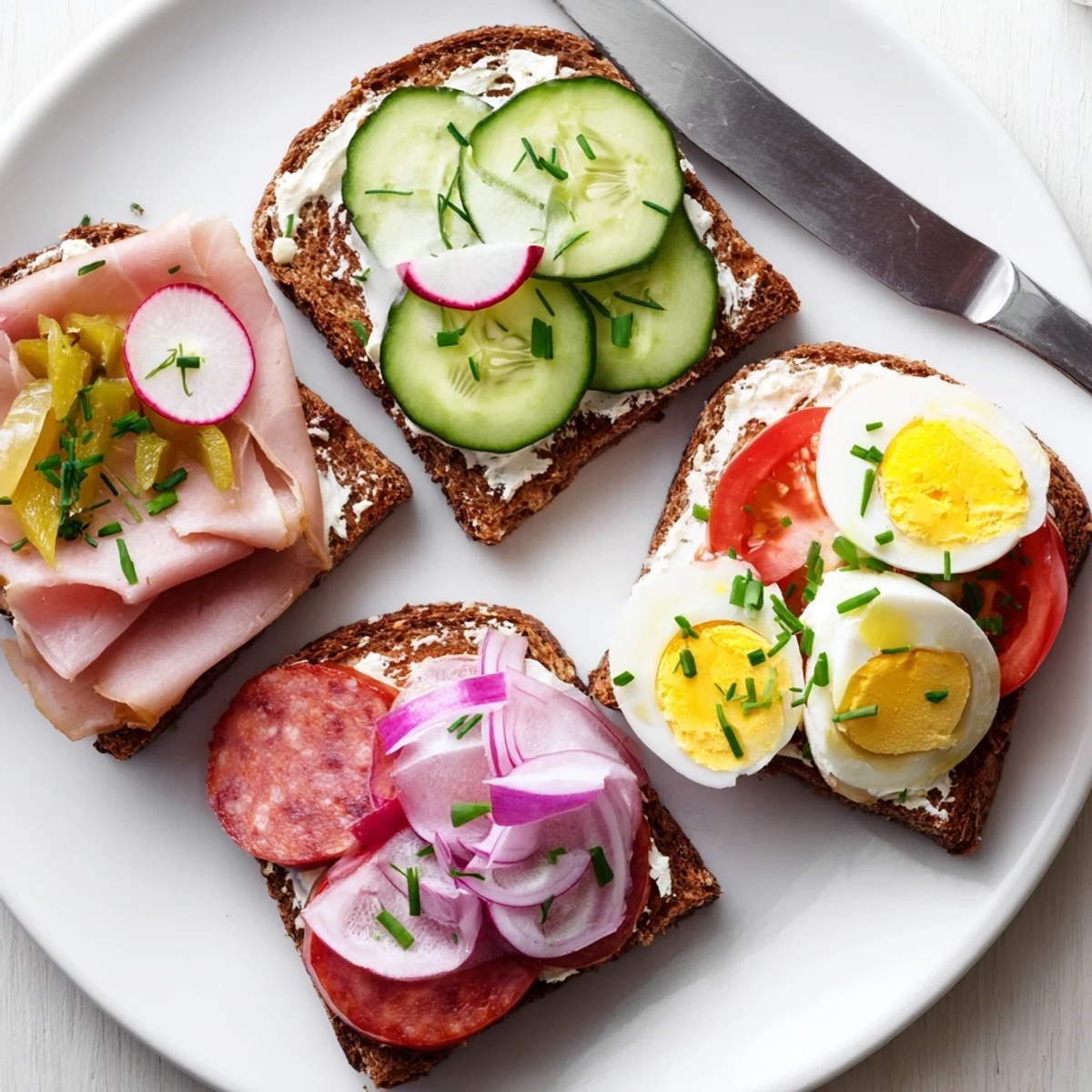
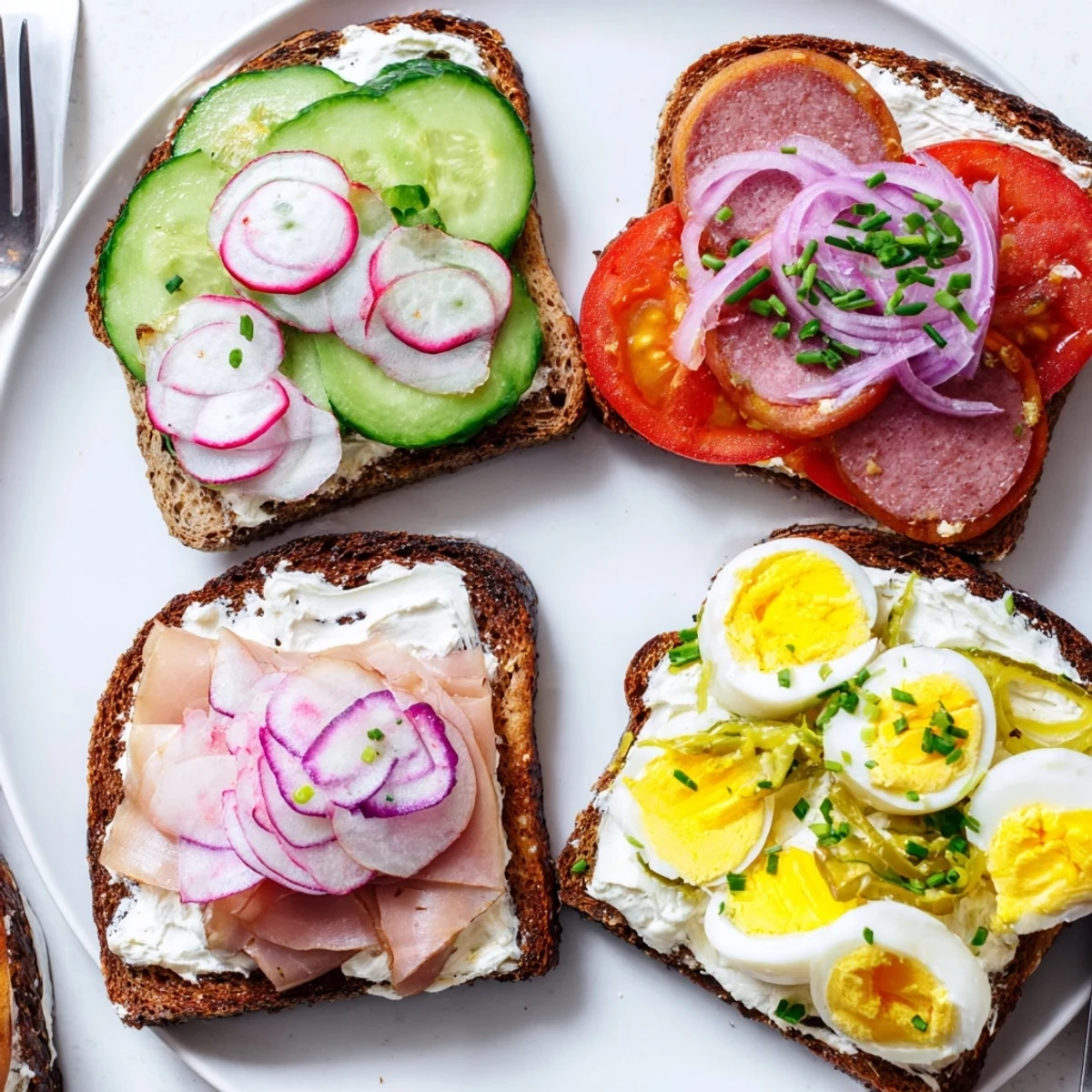
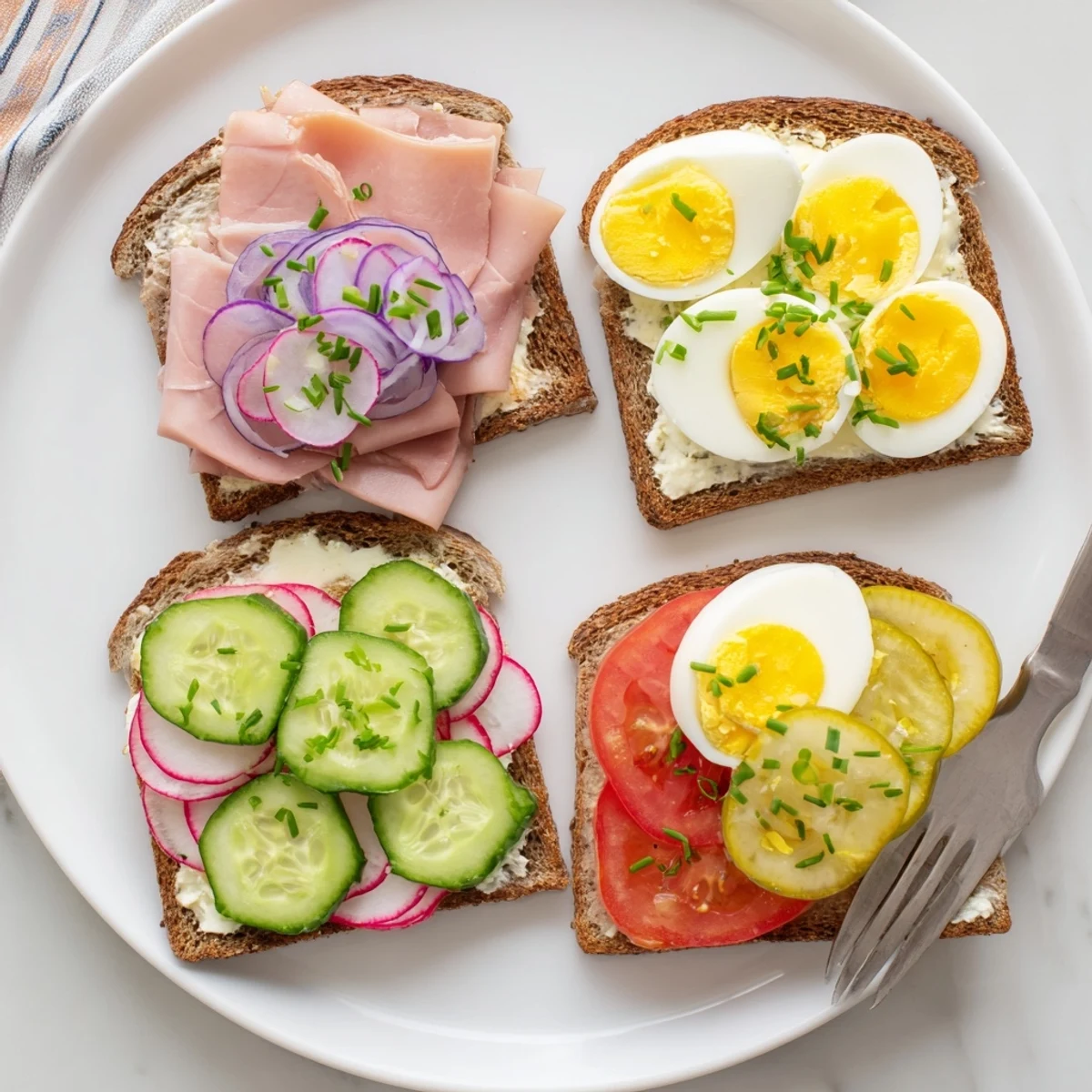
 Polish kanapki are simple open-faced sandwiches built on slices of rye or rustic bread spread with butter or cream cheese. Each slice is generously topped with a combination of smoked ham, kielbasa, hard-boiled eggs, fresh cucumbers, radishes, tomatoes, and tangy pickles.
Finished with a sprinkle of chopped chives and a crack of black pepper, they come together in just 15 minutes with no cooking required. They're a staple of Polish hospitality, ideal for breakfast, light lunches, or party spreads where guests can customize their own.
Something about a plate of open-faced sandwiches makes even a Tuesday feel like a small celebration, and kanapki do that better than anything else I know.
My friend Magda once brought a tray of these to a picnic and within minutes people stopped talking and started eating, which is the highest compliment any food can receive.
Ingredients
- Rye bread or rustic white bread (8 slices): Dense, sturdy slices hold up to toppings without collapsing under pressure.
- Unsalted butter, softened (4 tbsp): A thin butter layer creates a moisture barrier that keeps the bread from getting soggy.
- Cream cheese (100 g, optional): Adds a tangy richness that pairs especially well with cucumber and smoked fish.
- Smoked ham (4 slices): Fold each slice rather than laying it flat for better texture and appearance.
- Polish sausage or kielbasa (4 slices, thinly sliced): The smoky, garlicky flavor is what makes these taste genuinely Polish.
- Hard-boiled eggs (4 slices): Slice them while still slightly warm for cleaner cuts.
- Cucumber (1 small, thinly sliced): Use a mandoline if you have one for paper-thin, even rounds.
- Radishes (4, thinly sliced): Their peppery bite cuts through the richness of butter and meat beautifully.
- Tomato (1 small, thinly sliced): Pat slices dry with a paper towel to prevent excess juice from soaking the bread.
- Red onion (1/4, thinly sliced): Soak in ice water for five minutes if you want a milder, crisper bite.
- Cornichons or Polish pickles (8, sliced): The briny snap is nonnegotiable for authentic flavor.
- Fresh chives (2 tbsp, finely chopped): Scatter these last for a fresh oniony finish that ties everything together.
- Salt and black pepper: A light hand here lets each topping shine on its own.
Instructions
- Prep your canvas:
- Lay all eight bread slices on a large platter or cutting board and admire how rustic they look before anything goes on top.
- Build the butter layer:
- Spread each slice evenly with softened butter, and add a thin layer of cream cheese if you are using it, edge to edge so every bite is coated.
- Layer the toppings freely:
- Arrange your meats, eggs, and vegetables across the slices in whatever combinations feel right, folding ham into soft ribbons and fanning cucumber slices for visual appeal.
- Season with a light hand:
- Sprinkle salt and pepper over each kanapka, just enough to wake up the flavors without drowning them.
- Add the finishing touches:
- Scatter pickles and chopped chives across everything, letting some fall where they may for a relaxed, abundant look.
- Serve right away:
- Carry the platter to the table immediately because kanapki wait for no one and are best when the bread is still fresh beneath its toppings.
 Save to Pinterest
 During a cold Warsaw winter afternoon, a plate of these sitting next to a steaming cup of tea taught me that simple food, made with care, is always enough.
Variations Worth Trying
Swap the ham for smoked salmon and add a dollop of horseradish cream for a version that feels luxurious enough for a holiday brunch.
Making It Vegetarian
Skip the meat entirely and load up on roasted red peppers, avocado slices, and crumbled feta for a meatless kanapka that nobody will consider a compromise.
Serving Suggestions
A pot of black tea or a cold Polish lager turns a plate of kanapki into a proper gathering with almost no extra effort.
- Arrange them on a wooden board for a casual, family-style feel.
- Let guests build their own if you want to turn assembly into part of the fun.
- Always make a few extra because they disappear faster than you expect.
 Save to Pinterest
 Keep a platter of these in your back pocket for any moment that calls for effortless hospitality, and watch how quickly a simple snack becomes the reason people linger at the table.
Recipe FAQs
- → What type of bread works best for kanapki?
-
Dense, thinly sliced rye bread is the most traditional choice and holds toppings well without sagging. Rustic white bread or pumpernickel are also excellent options. Avoid overly soft sandwich bread, as it won't support the toppings properly.
- → Can kanapki be made ahead of time?
-
They're best assembled right before serving to keep the bread from becoming soggy. You can prepare all toppings in advance and store them separately in the refrigerator, then assemble in minutes when ready to serve.
- → What are traditional toppings for Polish kanapki?
-
Classic toppings include sliced kielbasa, smoked ham, hard-boiled eggs, cucumbers, radishes, tomatoes, pickled cucumbers, and fresh chives. A base layer of butter or cream cheese is standard. Cheese slices, smoked salmon, and horseradish cream are also popular variations.
- → How do I make vegetarian kanapki?
-
Simply skip the meat and load up on sliced vegetables like cucumber, radish, tomato, and red onion. Add slices of cheese, pickled vegetables, or spread with herb cream cheese for extra flavor and substance.
- → Are kanapki served warm or cold?
-
Kanapki are typically served cold or at room temperature. Since no cooking is involved, all ingredients should be fresh and ready to arrange directly on the bread. They're commonly served alongside hot tea or a cold lager.
- → How many kanapki should I plan per person?
-
For a light snack or appetizer, plan on 2 to 3 kanapki per person. If serving as a main meal, 4 to 6 per person is more appropriate. This preparation yields 8 kanapki, serving about 4 as a snack or 2 as a meal.