
 Save to Pinterest
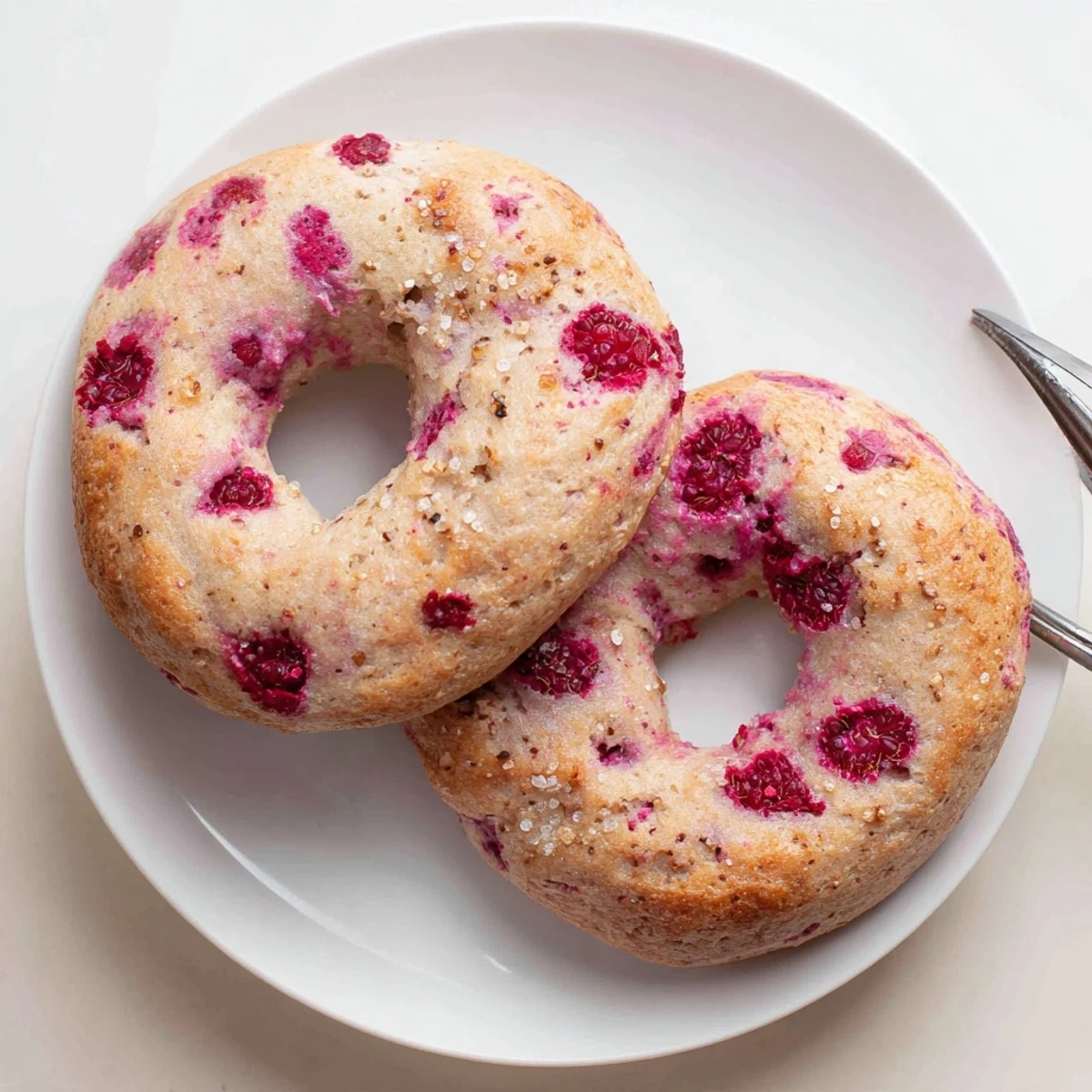
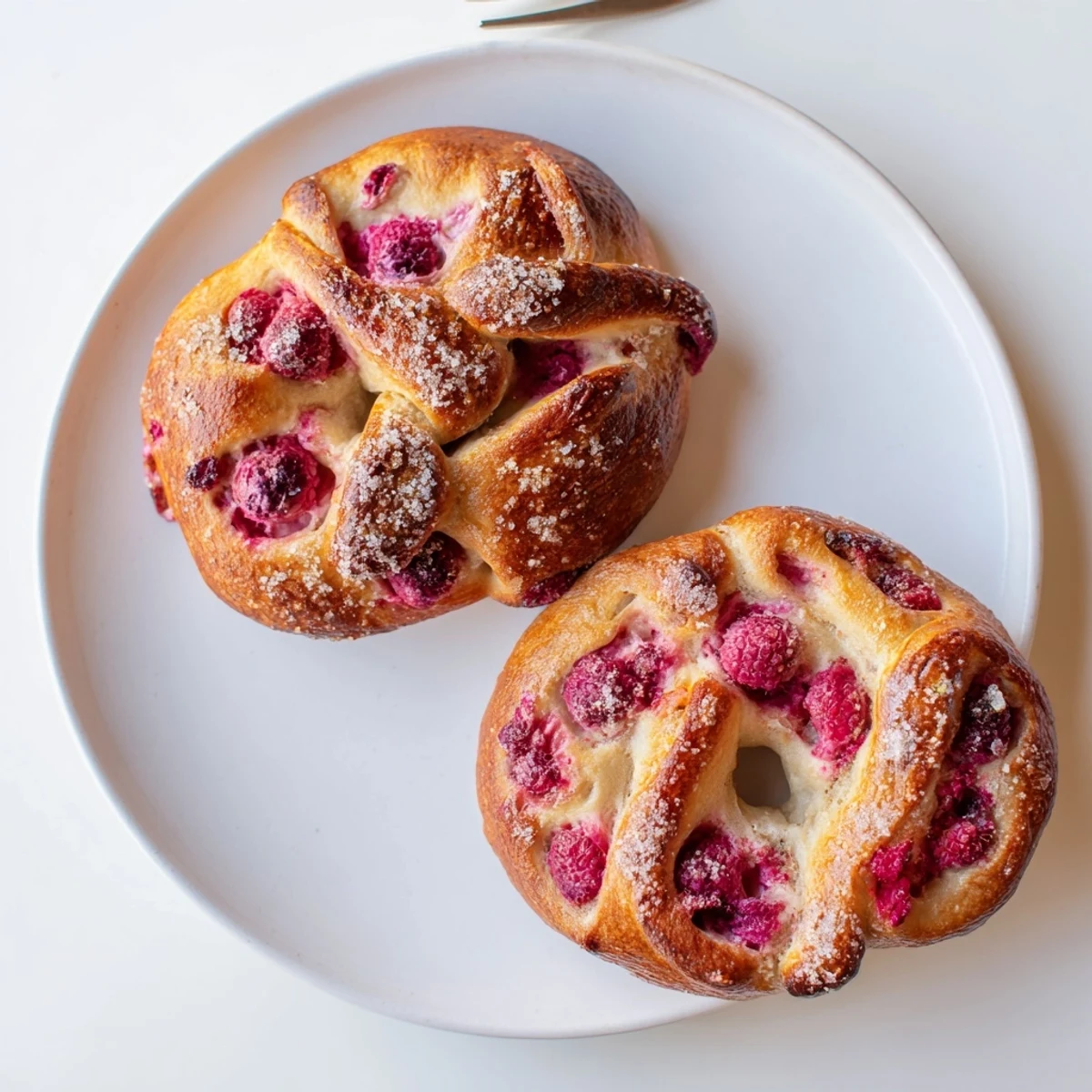
 These raspberry sourdough bagels combine the classic chewy texture of traditional bagels with the tangy complexity of naturally fermented dough. Fresh raspberries fold into the dough, creating pockets of sweetness throughout each ring. The overnight fermentation develops deep flavor while making these easier to digest.
The process involves mixing an active starter with bread and whole wheat flour, kneading until smooth, then incorporating berries gently. After rising, shape into rings and briefly boil in honey-sweetened water before baking. This boiling step creates that signature shiny crust and dense interior bagel lovers expect.
There is something magical about sourdough and fruit coming together in a warm oven. I stumbled on this combination during a summer when my raspberry patch went completely wild and I had more berries than I knew what to do with. The first batch was an experiment born of desperation, but that slightly tangy, sweet chewiness won everyone over immediately.
My sister visited that same summer and ate three bagels straight from the cooling rack, still warm enough to melt a pat of butter. She called me the next day demanding the recipe, saying these were nothing like the bland bagel shop versions she was used to. Now she makes them for her own family, and her kids actually argue over who gets the last one.
Ingredients
- 100 g active sourdough starter: Use a starter that has been fed within the last 4 to 8 hours and is bubbling happily
- 400 g bread flour: This high protein flour creates the chewy texture that makes a real bagel worth eating
- 75 g whole wheat flour: Adds just enough nuttiness to complement the raspberries without overpowering them
- 30 g sugar: Helps balance the tang from the sourdough and creates that beautiful golden crust
- 8 g fine sea salt: Do not reduce this amount as salt is crucial for proper fermentation and flavor
- 260 ml lukewarm water: Should feel like bath temperature, around 90 to 95 degrees Fahrenheit
- 1 tbsp vegetable oil: Added near the end of kneading to create a smoother, more workable dough
- 100 g fresh raspberries: Handle them gently and keep them frozen if using frozen berries to prevent bleeding
- 3 L water for boiling: A wide pot works best so bagels have room to float freely
- 2 tbsp honey or barley malt syrup: This creates the authentic bagel shine and slight sweetness in the crust
- Demerara sugar or poppy seeds: Totally optional but adds such a lovely crunch and professional finish
Instructions
- Mixing the base:
- Combine your bubbly sourdough starter with the lukewarm water and sugar in a large bowl, stirring until the sugar completely dissolves and the mixture looks smooth and integrated.
- Building the dough:
- Add both flours and the salt to the bowl, mixing with your hands or a sturdy spoon until a shaggy, rough dough comes together and no dry flour remains visible.
- Kneading to perfection:
- Turn the dough onto a lightly floured surface and knead for 8 to 10 minutes, incorporating the vegetable oil during the last 2 minutes until the dough feels smooth, elastic, and slightly tacky but not sticky.
- Folding in the fruit:
- Gently fold the raspberries into the dough using a light hand, trying to keep them as whole as possible so you get distinct pockets of fruit rather than a uniformly pink dough.
- The first rise:
- Place the dough in a greased bowl, cover with plastic wrap or a damp towel, and let it rise at room temperature for 6 to 8 hours until it has doubled in size and feels puffy when pressed.
- Dividing and shaping:
- Turn the risen dough onto a floured surface, divide it into 8 equal pieces, roll each into a smooth ball, then poke a hole through the center and gently stretch it to form the classic bagel ring.
- The proofing stage:
- Arrange shaped bagels on a parchment lined baking sheet, cover loosely, and let them proof for 1 to 2 hours at room temperature or refrigerate overnight for deeper sourdough flavor development.
- Preheating matters:
- Preheat your oven to 220 degrees Celsius (425 degrees Fahrenheit) at least 30 minutes before baking so it is fully hot and ready when the bagels finish their water bath.
- Preparing the bath:
- Bring 3 liters of water to a rolling boil in a wide pot, stir in the honey and optional baking soda, then reduce heat slightly to maintain a steady but not violent boil.
- Boiling for chew:
- Carefully lower bagels into the boiling water in batches, cooking for 45 to 60 seconds per side until they puff slightly, then remove with a slotted spoon and return to the baking sheet.
- Adding toppings:
- Sprinkle the wet bagels immediately with Demerara sugar or poppy seeds if you are using them so the topping sticks to the moist surface before it dries in the oven.
- Baking time:
- Bake for 22 to 25 minutes until the bagels are deep golden brown, turning the baking sheet halfway through for even coloring.
- Cooling completely:
- Let the bagels cool on a wire rack for at least 30 minutes before slicing, as cutting into warm bagels makes them gummy and dense inside.
 Save to Pinterest
 These became my go to contribution for family brunches after everyone kept requesting them specifically. There is something about pulling a warm bagel apart and seeing those ruby flecks throughout that makes people pause and really appreciate what they are eating.
Making Them Ahead
The overnight refrigeration step is actually my secret weapon because it develops such incredible flavor. I have learned to shape the bagels the night before and let them do their final slow proof in the refrigerator, which means fresh baked bagels with almost zero morning effort.
Fruit Variations
While raspberries were my happy accident, blueberries work beautifully and create a more subtle sweetness throughout the dough. Blackberries add a lovely tart edge that pairs exceptionally well with the natural sourdough tang, especially in the colder months when darker fruits feel more comforting.
Storage Solutions
Fresh bagels are best eaten within 24 hours, but freezing them immediately after cooling locks in that just baked quality. I slice them before freezing so I can toast straight from the freezer, which has honestly saved me on countless rushed mornings.
- Wrap cooled bagels individually in plastic wrap before freezing for up to one month
- Thaw at room temperature for about an hour or toast directly from frozen
- Never refrigerate bagels as it makes them stale significantly faster
 Save to Pinterest
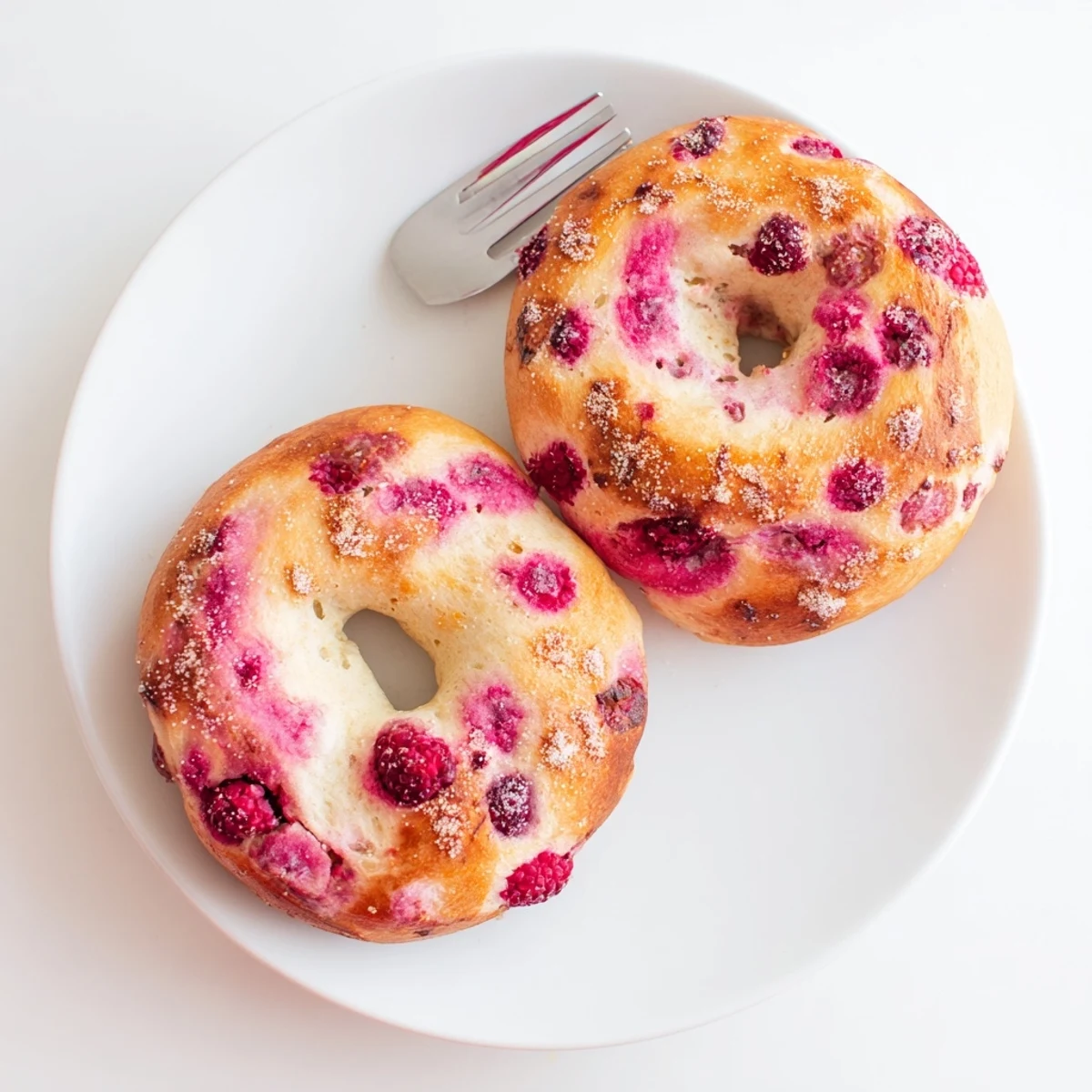
 There is nothing quite like biting into a warm homemade bagel that you created from scratch, especially one with those little bursts of raspberry hidden throughout. Happy baking, friend.
Recipe FAQs
- → Can I use frozen raspberries instead of fresh?
-
Yes, frozen raspberries work perfectly in this dough. Use them straight from the freezer without thawing to prevent excess moisture from making the dough too sticky. The berries will distribute evenly and maintain their shape during mixing and rising.
- → How long do these bagels stay fresh?
-
Fresh raspberry sourdough bagels keep well at room temperature for 2–3 days when stored in a paper bag. For longer storage, freeze individually wrapped for up to one month. Thaw at room temperature or toast directly from frozen for best results.
- → What makes these different from regular bagels?
-
The sourdough fermentation creates deeper flavor and better digestibility compared to commercial yeast bagels. The longer rise time develops chewy texture with subtle tang, while the natural fermentation process yields a more complex taste profile that improves over time.
- → Can I substitute other berries?
-
Blackberries or blueberries work beautifully as substitutes. Keep berries frozen if using frozen, and fold in gently to avoid crushing. Dried cranberries or chopped dried cherries also work well—rehydrate slightly in warm water before adding to the dough.
- → Why boil bagels before baking?
-
Boiling gelatinizes the starch on the surface, creating that signature shiny, chewy crust. The honey or malt syrup in the water adds subtle sweetness and promotes browning. This 45–60 second boil per side is what distinguishes bagels from other breads and ensures authentic texture.
- → Can I skip the overnight refrigeration?
-
While you can proof these at room temperature for 1–2 hours after shaping, the overnight refrigeration develops significantly more flavor. The cold fermentation allows enzymes to break down starches, creating sweeter, more complex taste notes and improving the crumb structure.