
 Save to Pinterest
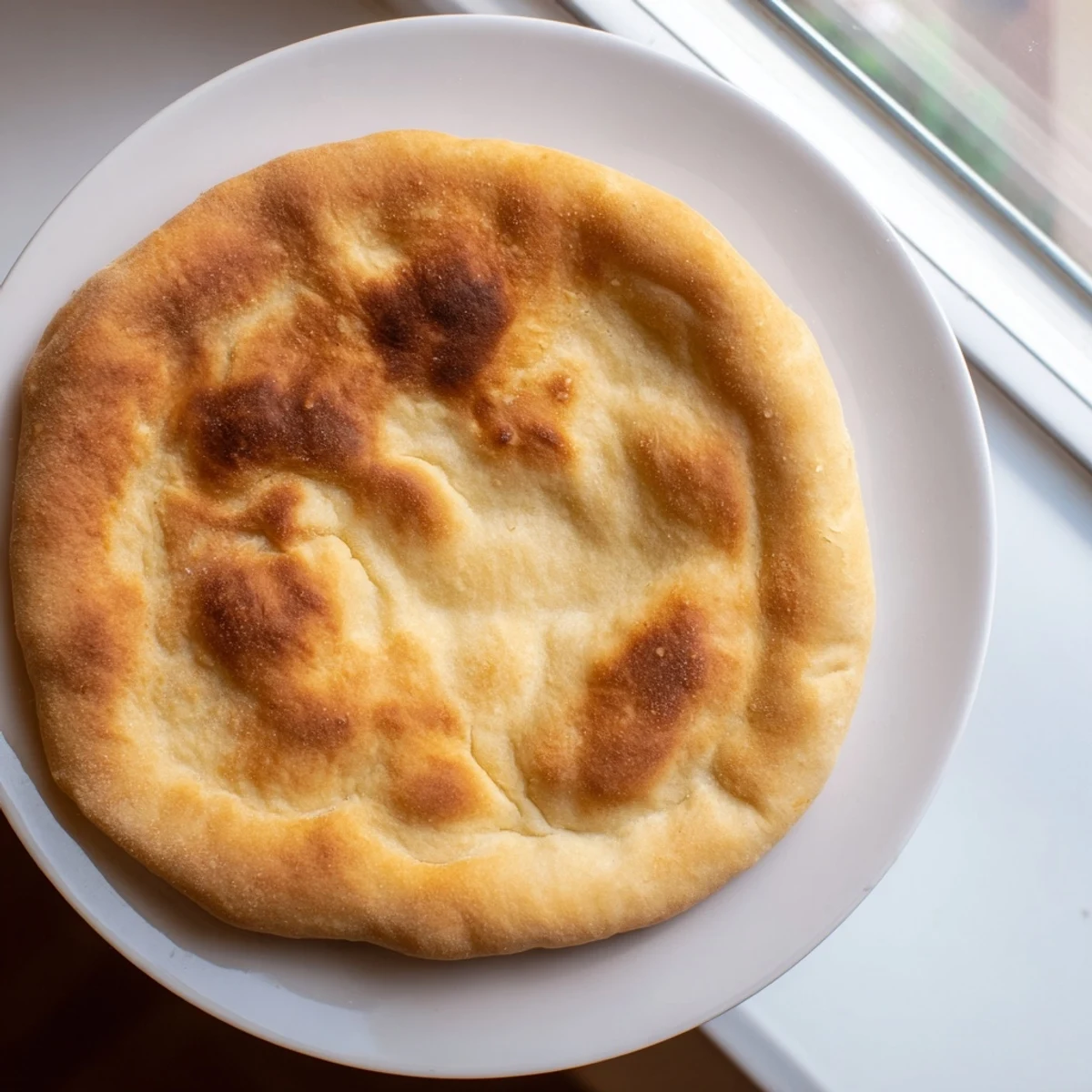
 Create authentic Turkish Bazlama, a beloved flatbread from Turkey's culinary tradition. This pillowy bread features a distinctive golden, slightly chewy exterior with an incredibly soft interior. The dough combines yogurt for tenderness, resulting in flatbreads that puff beautifully on the griddle.
Cook each Bazlama in a hot skillet for 2-3 minutes per side until golden brown and puffed. Brush with olive oil or melted butter while warm for extra richness. Serve alongside mezze platters, use as a wrap for grilled meats, or simply enjoy fresh from the pan with a dollop of creamy yogurt.
The smell of fresh bazlama baking on a hot pan takes me straight back to a tiny kitchen in Istanbul where I watched an elderly woman cook these breads for her grandchildren. She moved with such practiced ease, flipping each one with a confident flick of her wrist, and told me that the secret was patience with the dough and keeping them covered under a clean cloth until serving.
My first attempt at bazlama ended in disaster because I rushed the rising step and tried to cook them too thick. They came out doughy and raw in the middle but my husband still ate them with enthusiastic grace. Now I know that letting the dough fully double and rolling them to just the right thickness makes all the difference between a decent flatbread and something truly special.
Ingredients
- 500 g all-purpose flour: This amount gives you the perfect protein structure for pillowy breads that still have enough body to hold fillings without tearing
- 7 g instant dry yeast: One standard packet works beautifully here no need to proof it separately since the warm water activates it quickly
- 1½ teaspoons sugar: Just enough to feed the yeast and help the dough develop those gorgeous golden spots as it cooks
- 1 teaspoon salt: Essential for flavor balance but do not add more or it might inhibit the yeast activity
- 300 ml lukewarm water: Body temperature water is ideal anything too hot kills the yeast and too cold slows everything down dramatically
- 125 g plain yogurt: Room temperature yogurt incorporates better into the dough and adds that characteristic tang and tenderness
- Olive oil or melted butter: Brushing the warm breads keeps them soft and adds a lovely sheen though this step is optional
Instructions
- Wake up the yeast:
- Combine the lukewarm water yeast and sugar in your large bowl then step away for 5 to 10 minutes until you see a foamy layer form on top
- Add the yogurt:
- Pour in the room temperature yogurt and stir until fully incorporated into the yeast mixture
- Build the dough:
- Gradually add the flour and salt mixing with a spoon or your hands until a shaggy sticky dough forms
- Knead it well:
- Work the dough for about 10 minutes until it transforms from sticky to smooth and elastic bouncing back when you press it
- Let it rise:
- Cover your bowl with a damp cloth and find the warmest spot in your kitchen for about an hour until the dough has doubled impressively in size
- Portion the dough:
- Punch down gently then turn onto a floured surface and divide into 8 equal pieces shaping each into a smooth ball
- Shape the breads:
- Roll each ball into a 15 cm round about 8 mm thick keeping the rest covered so they do not dry out
- Heat the pan:
- Get your skillet or cast iron pan hot over medium high heat letting it come to temperature fully before adding any dough
- Cook the first side:
- Lay in the first flatbread and cook for 2 to 3 minutes until you see golden spots and the bread starts puffing up dramatically
- Flip and finish:
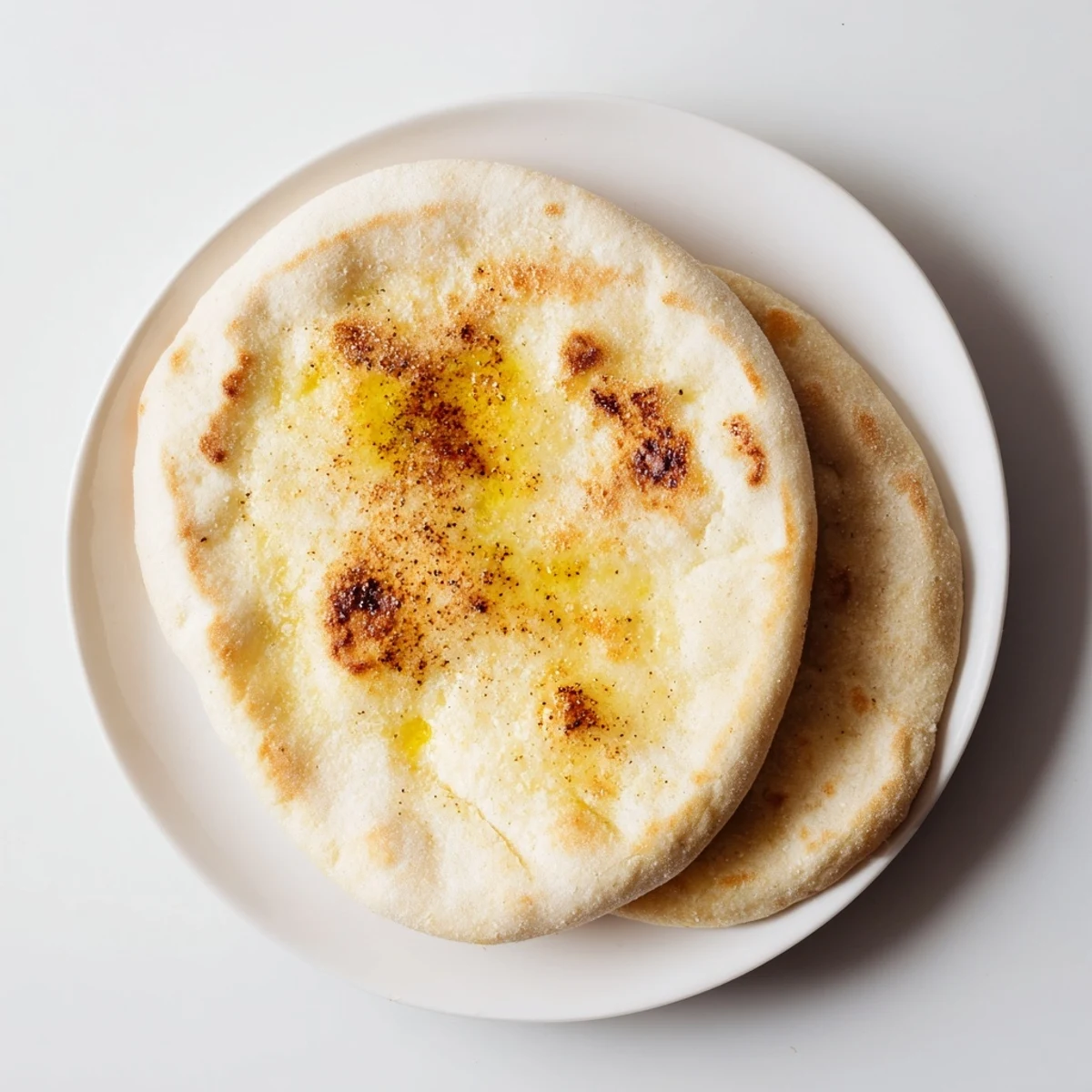
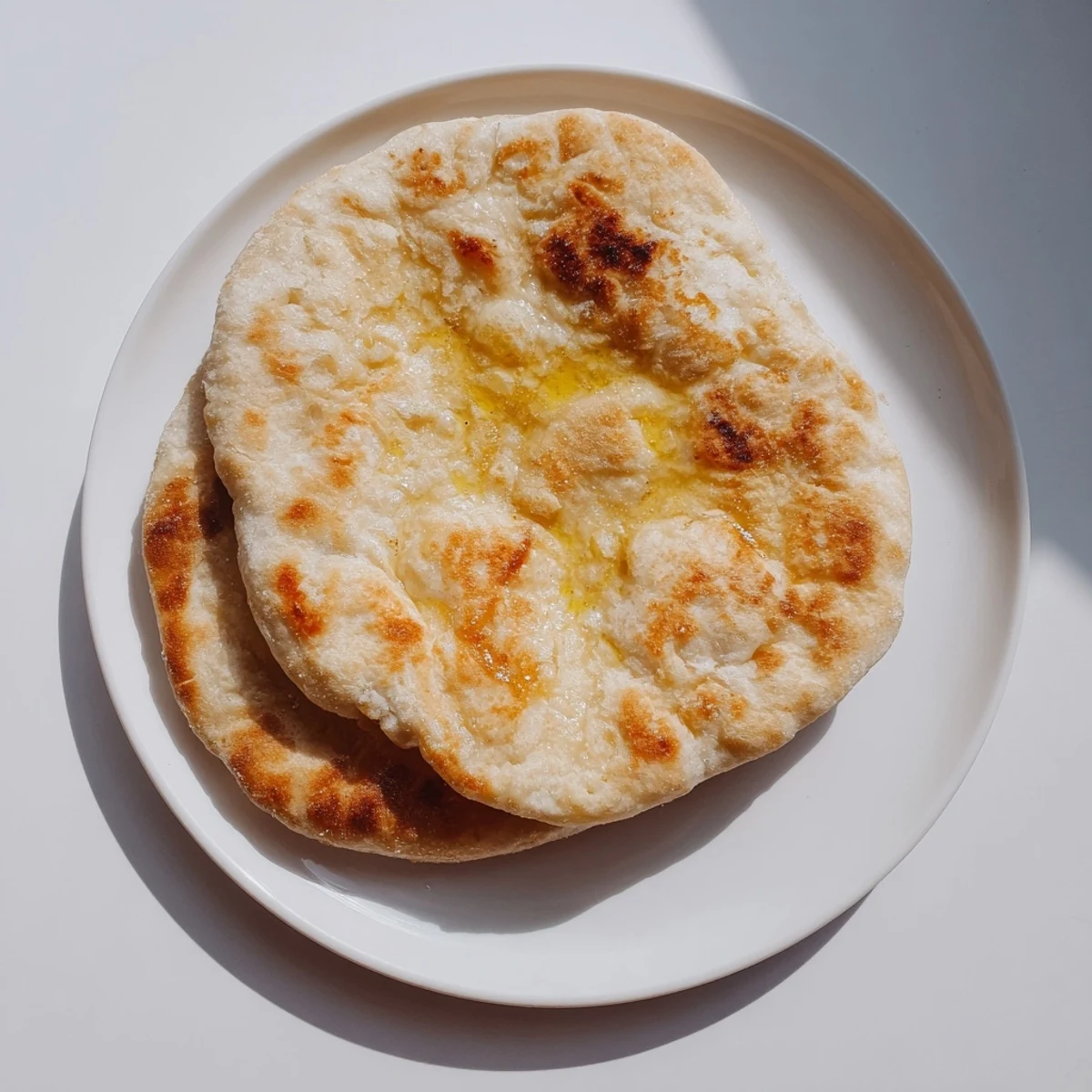
- Turn the bread and cook another 1 to 2 minutes then brush with oil or butter if using and keep warm under a towel while you repeat with the remaining dough
 Save to Pinterest
 These breads have become our Friday night tradition served alongside whatever dips or cheeses we have on hand. Something about tearing into warm freshly made flatbread turns even a simple meal into something that feels like a celebration.
Serving Suggestions
Bazlama is incredibly versatile and works beautifully as a wrap for grilled meats or vegetables. I love tearing pieces to dip into hummus or using them to scoop up thick yogurt soups. They also make an excellent base for quick flatbread pizzas when topped and broiled for just a minute.
Storage Wisdom
While bazlama is best eaten fresh it freezes exceptionally well. Layer the cooled breads between parchment paper and freeze in a sealed bag for up to two months. Reheat them directly from frozen in a hot pan for about 30 seconds per side and they taste almost as good as freshly made.
Common Questions
Can I use Greek yogurt instead of plain regular yogurt Yes though you may need to add a tablespoon of water since Greek yogurt is thicker.
- The dough is not rising enough check that your yeast was fresh and the water was not too hot
- Breads are tough you likely overworked the dough or added too much flour
- Not puffing in the pan make sure your skillet is properly hot before adding the dough
 Save to Pinterest
 There is something deeply satisfying about making your own flatbread at home. Once you taste these warm pillowy breads fresh from the pan storebought will never quite compare again.
Recipe FAQs
- → What makes Bazlama different from other flatbreads?
-
Bazlama stands apart for its unique pillowy texture achieved through yogurt in the dough, creating exceptional softness. The cooking method produces a characteristic golden crust while keeping the interior tender and airy.
- → Can I substitute the yogurt?
-
While traditional Bazlama uses yogurt for its signature texture, you can substitute with plain kefir or buttermilk. For dairy-free versions, use plant-based yogurt mixed with a tablespoon of lemon juice or vinegar.
- → How do I store and reheat Bazlama?
-
Keep cooled flatbreads in an airtight container for up to 2 days at room temperature. For longer storage, freeze individually wrapped for up to 2 months. Reheat directly from frozen in a hot skillet for 1-2 minutes per side until warmed through.
- → Why didn't my dough double in size?
-
Inadequate rising usually results from inactive yeast or cool room temperature. Ensure your water is lukewarm (not hot), and find a warm, draft-free spot for rising. You can also preheat your oven briefly, turn it off, and let the dough rise inside.
- → Can I make Bazlama without a rolling pin?
-
Absolutely. After dividing the dough, press each piece flat with your hands, gently stretching and pressing outward. Use light pressure to achieve an even thickness without overworking the dough, which helps maintain those sought-after air pockets.
- → What's the best way to serve Bazlama?
-
Serve warm for the best texture and flavor. Pair with hummus, baba ganoush, or tzatziki for dipping. Use as a wrap for grilled vegetables, spiced meats, or falafel. Simply brushed with melted butter and sprinkled with za'atar makes for an irresistible snack.