
 Save to Pinterest
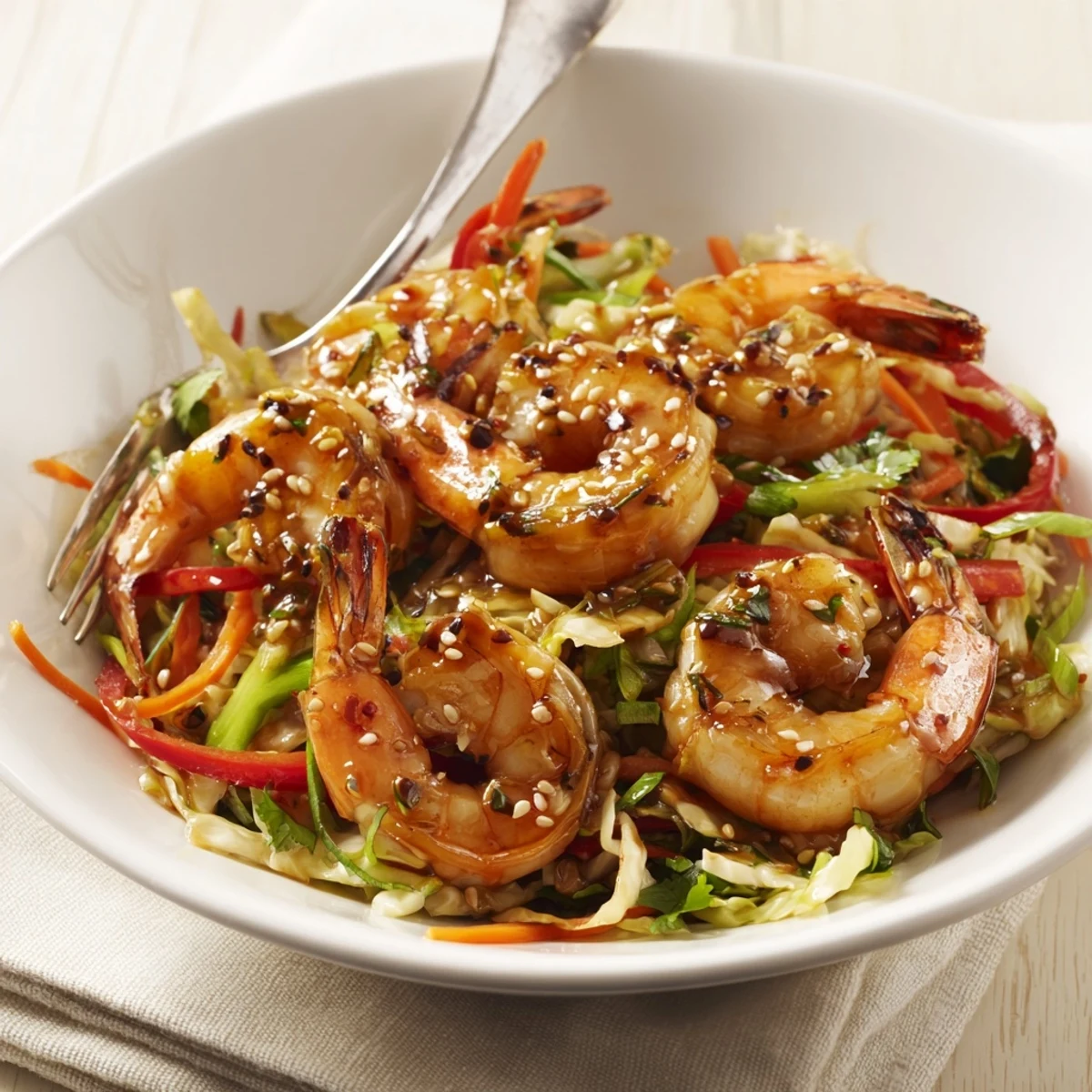
 In about 25 minutes, tender shrimp are seared then combined with julienned carrot, bell pepper and thinly sliced napa cabbage. A glossy soy-oyster-sesame sauce, thickened with a touch of cornstarch, coats the ingredients. Finish with green onions and toasted sesame for crunch. Swap tamari, tofu or chicken to suit diets and add chili for heat.
The sizzle of shrimp hitting a screaming hot wok is one of those sounds that instantly makes a kitchen feel alive, and this Asian Shrimp and Cabbage Stir Fry delivers that satisfaction in under thirty minutes. My neighbor once knocked on my door asking what smelled so incredible, and I ended up inviting her in to share the pan. We stood around my kitchen island eating straight from the skillet with chopsticks, barely bothering with plates.
I started making this on busy weeknights when my fridge held nothing but half a head of Napa cabbage and a bag of frozen shrimp. It quickly became the meal I reached for when cooking felt like a chore but I still wanted something vibrant and homemade on the table.
Ingredients
- Large shrimp (400 g, peeled and deveined): Fresh or thawed frozen both work beautifully, but pat them completely dry so they sear instead of steam.
- Napa cabbage (4 cups, thinly sliced): Slice it crosswise into ribbons and it will cook down just enough while keeping a satisfying crunch.
- Carrot (1 medium, julienned): Cut thin matchsticks so they cook at the same pace as the bell pepper and cabbage.
- Red bell pepper (1, thinly sliced): Adds a pop of color and natural sweetness that balances the salty, umami rich sauce.
- Green onions (3, sliced): Tossed in at the very end so they stay bright and barely wilted.
- Garlic (2 cloves, minced): Fresh garlic makes a noticeable difference here since there are so few aromatics.
- Fresh ginger (1 tablespoon, grated): Use a microplane for a fine paste that melts right into the sauce.
- Soy sauce (3 tablespoons): The salty backbone of the stir fry sauce, and tamari works perfectly if you need gluten free.
- Oyster sauce (1 tablespoon): This is what gives the sauce that deep, caramelized restaurant quality flavor.
- Sesame oil (1 tablespoon): Toasted sesame oil adds a nutty richness that ties everything together.
- Honey (1 teaspoon, optional): Just a touch rounds out any harshness from the soy sauce without making it sweet.
- Rice vinegar (1 teaspoon): A subtle brightness that lifts the whole dish without screaming acidity.
- Cornstarch (1 teaspoon): Creates a silky coating that clings to the shrimp and vegetables rather than pooling at the bottom.
- Water (2 tablespoons): Needed to dissolve the cornstarch smoothly into the sauce.
- Toasted sesame seeds (1 tablespoon): Sprinkle them on at the end for a gentle crunch and visual finish.
- Fresh cilantro or scallions (optional garnish): Adds a fresh herbal note that cuts through the richness of the sauce.
Instructions
- Whisk the sauce:
- In a small bowl, combine the soy sauce, oyster sauce, sesame oil, honey, rice vinegar, cornstarch, and water, whisking until the cornstarch disappears completely with no lumps hiding at the bottom. Set it aside and let it hang out while you cook.
- Sear the shrimp:
- Heat a tablespoon of oil in a large skillet or wok over medium high heat until it shimmers, then add the shrimp in a single layer without crowding the pan. Cook for two to three minutes, flipping once, until they curl into pink crescents and turn opaque throughout, then pull them out and set aside on a plate.
- Wake up the aromatics:
- In the same skillet with all those lovely shrimp juices still clinging to the surface, toss in the minced garlic and grated ginger, stirring constantly for about thirty seconds until your kitchen smells absolutely incredible and nothing has browned.
- Stir fry the vegetables:
- Add the julienned carrot, sliced bell pepper, and Napa cabbage all at once, tossing vigorously for two to three minutes until the cabbage begins to soften at the edges but still has a definite bite in the center.
- Bring it all together:
- Slide the shrimp back into the pan, pour your prepared sauce over everything, and stir with purpose for one to two minutes as the sauce bubbles, thickens, and forms a glossy glaze that coats every strand of cabbage and every shrimp.
- Finish and serve:
- Toss in the sliced green onions, kill the heat, and scatter toasted sesame seeds and fresh herbs over the top. Serve immediately over steamed rice or noodles while everything is still piping hot and the sauce is at its glossiest.
 Save to Pinterest
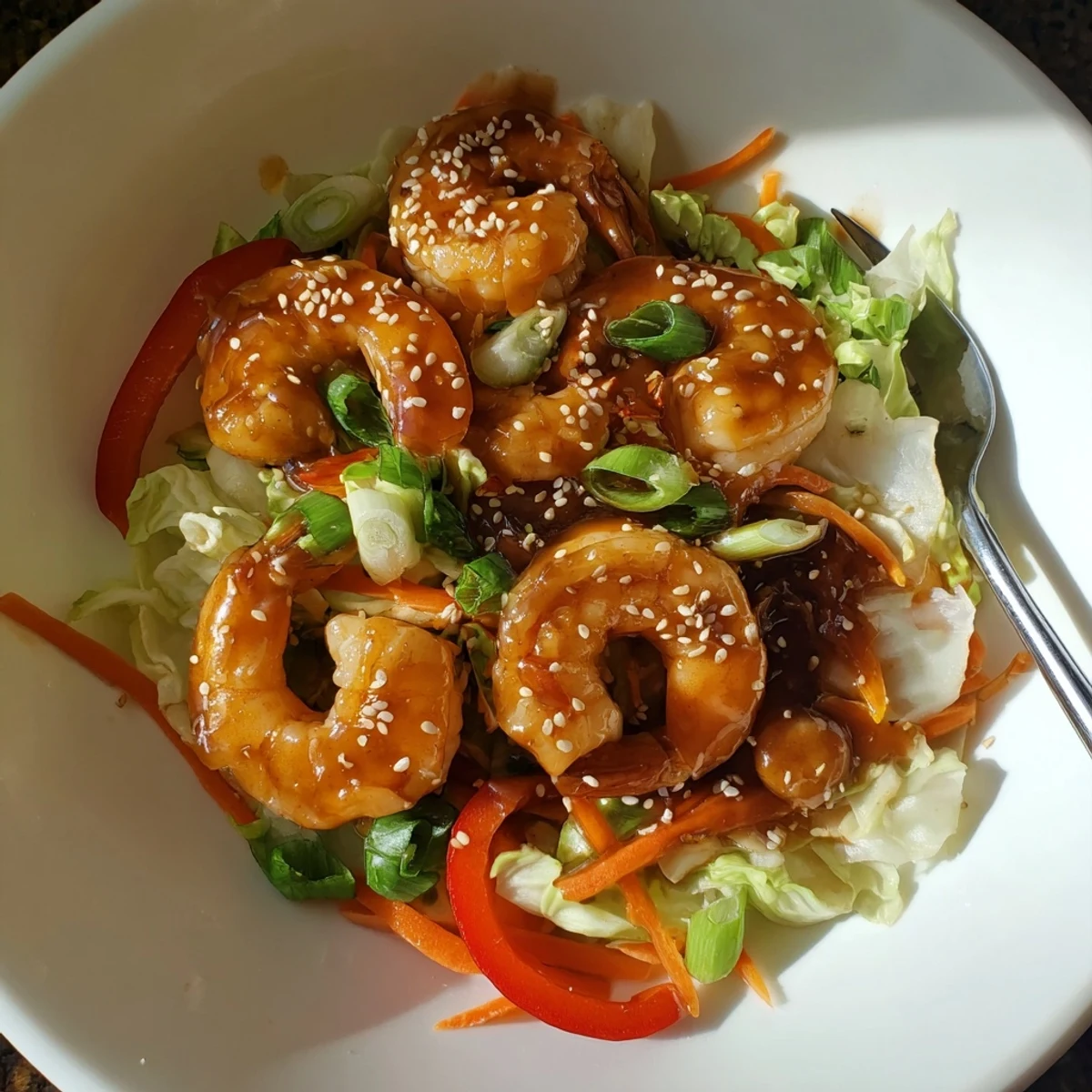
 The night my daughter helped me make this, she insisted on arranging the sesame seeds in a smiley face on top before we dug in, and now that is the only acceptable presentation in our house.
Making It Your Own
This recipe is wonderfully flexible once you understand the basic rhythm of sear, sauté, sauce, and serve. Sliced chicken breast or firm tofu pressed and cubed can replace the shrimp with barely any other adjustments needed.
Spice and Heat Options
A sliced Thai chili or a generous drizzle of chili oil stirred into the sauce transforms this into something with real fire and personality. I usually set a bottle of sriracha on the table so everyone can customize their own bowl.
What to Serve Alongside
Steamed jasmine rice is the classic pairing, but this stir fry also tucks beautifully into lettuce cups for a lighter meal or piles on top of cold soba noodles when the weather is warm and you want minimal effort.
- Leftovers keep well in the fridge for up to three days and reheat quickly in a hot skillet.
- Frozen shrimp thaws fastest under cold running water in a colander, usually in about ten minutes.
- Always check sauce labels for hidden wheat or allergens if you are cooking for someone with dietary restrictions.
 Save to Pinterest
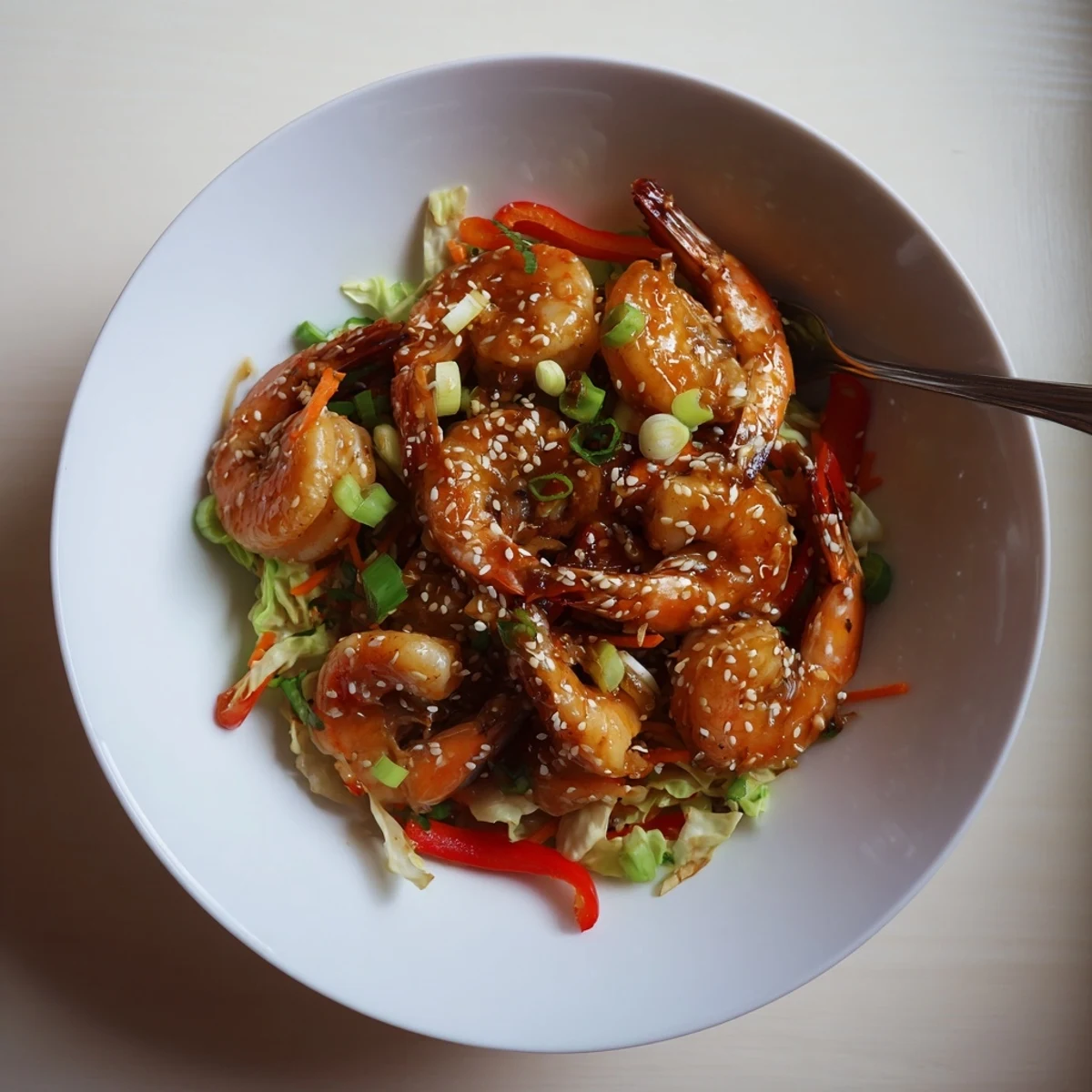
 Some weeknight meals feel like a chore, but this one has a rhythm to it that I genuinely look forward to, the chopping, the sizzle, the way the sauce comes together in seconds. It is proof that fast food can still feel like real cooking.
Recipe FAQs
- → How can I tell when the shrimp is done?
-
Shrimp cook quickly; look for opaque flesh and a firm, slightly springy texture. Color should change to pink with no translucent center—usually 2–3 minutes per side in a hot skillet.
- → How do I prevent soggy cabbage?
-
Keep heat high and cook cabbage just until crisp-tender, 2–3 minutes. Cut cabbage thinly and avoid overcrowding the pan so vegetables sear instead of steaming.
- → What thickens the sauce?
-
A small slurry of cornstarch and water is added to the sauce; it cooks quickly and creates a glossy coating. Mix thoroughly before adding to the hot pan to avoid lumps.
- → Can I make this gluten-free?
-
Yes—swap soy sauce for tamari or a gluten-free soy alternative, and choose a gluten-free oyster sauce or omit it. Check labels for any hidden wheat in condiments.
- → What are good protein swaps?
-
Firm tofu (pressed and seared), thinly sliced chicken breast, or bite-sized pork work well. Adjust cooking time: poultry and pork need longer than shrimp, while tofu needs a quick brown for texture.
- → How do I add heat without overpowering the dish?
-
Add sliced fresh chili, a splash of chili oil, or a pinch of red pepper flakes to the sauce and taste as you go. Start small—you can always increase the spice at the end.