
 Save to Pinterest
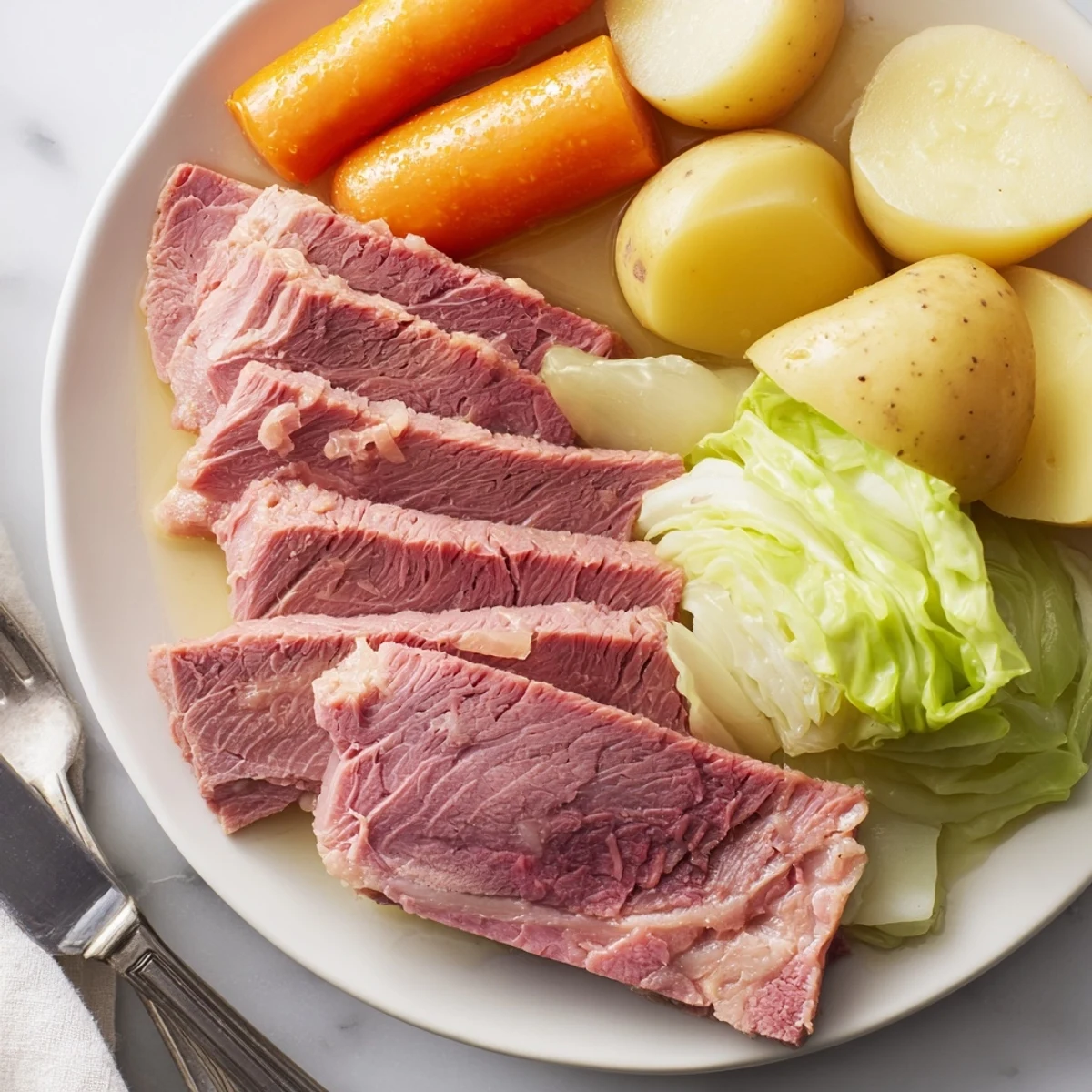
 This classic Irish-American dish transforms a corned beef brisket into melt-in-your-mouth perfection through slow cooking. The beef becomes fork-tender after eight hours of simmering in aromatic beef broth with bay leaves and peppercorns. Cabbage wedges added during the final two hours absorb the savory flavors while maintaining their texture. The result is a complete meal with tender beef, buttery potatoes, sweet carrots, and perfectly cooked cabbage—all infused with a rich, savory broth.
The aroma of corned beef filling the house on a gray Saturday morning has become one of my favorite signals that comfort is on the way. I remember my first attempt at this dish years ago, where I stubbornly used a Dutch oven and checked the meat every twenty minutes like an anxious parent. Now I trust the slow cooker completely, and the house smells incredible for hours before we even eat.
Last St. Patrick's Day, my neighbor smelled this cooking through our shared wall and actually knocked on the door to ask what was happening in my kitchen. We ended up inviting them over for an impromptu feast, and now it's become an annual tradition neither of us will break. Sometimes the best dinner parties start with someone just following their nose.
Ingredients
- 1 (3-4 lb) corned beef brisket with spice packet: Don't discard that little spice pouch, it holds the key to authentic flavor
- 1 medium head green cabbage: Cutting into wedges instead of shreds keeps it from becoming mushy
- 6 medium carrots: Large chunks hold their shape during the long cooking time
- 6 small Yukon Gold potatoes: These stay creamy and don't fall apart like russets can
- 1 large yellow onion: Quartered so they melt into the broth creating depth
- 3 cloves garlic: Smashed releases more flavor than mincing here
- 4 cups low-sodium beef broth: Lets you control the salt level since corned beef is already salty
- 2 cups water: Dilutes just enough so the broth isn't overwhelming
- 2 bay leaves: Remove before serving, they've done their work
- 8 whole black peppercorns: Adds gentle warmth without being spicy
- 1 tbsp Dijon mustard: Optional but cuts through the richness beautifully
Instructions
- Start with a clean slate:
- Rinse the corned beef thoroughly under cold water to wash away excess brine, then place it fat side up in your slow cooker.
- Build the flavor base:
- Sprinkle the spice packet contents over the brisket, then tuck onion quarters and smashed garlic around the meat like a cozy blanket.
- Add the hearty vegetables:
- Arrange carrots and potatoes in the spaces around the beef, then tuck bay leaves and peppercorns into the broth.
- Create the cooking liquid:
- Pour in both the beef broth and water, letting it surround everything but not completely submerge the meat.
- Let time work its magic:
- Cover and cook on LOW for 8 hours, resisting the urge to lift the lid and let all that precious heat escape.
- Add the cabbage at the right moment:
- Nestle cabbage wedges into the liquid during the last 2 hours of cooking, so they become tender but not soggy.
- Rest before slicing:
- Carefully transfer the corned beef to a cutting board and let it rest for 10 minutes before slicing against the grain.
- Serve it up:
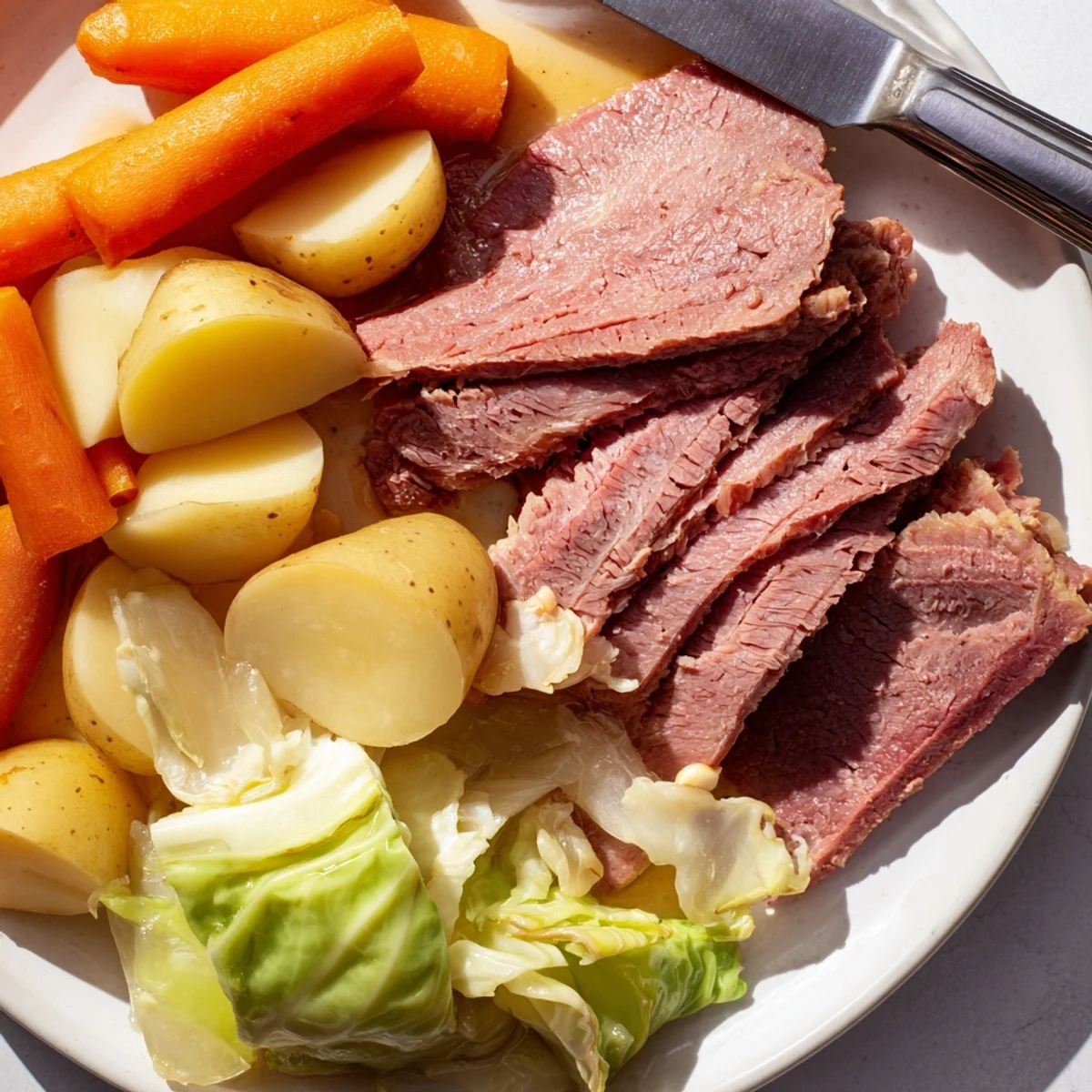
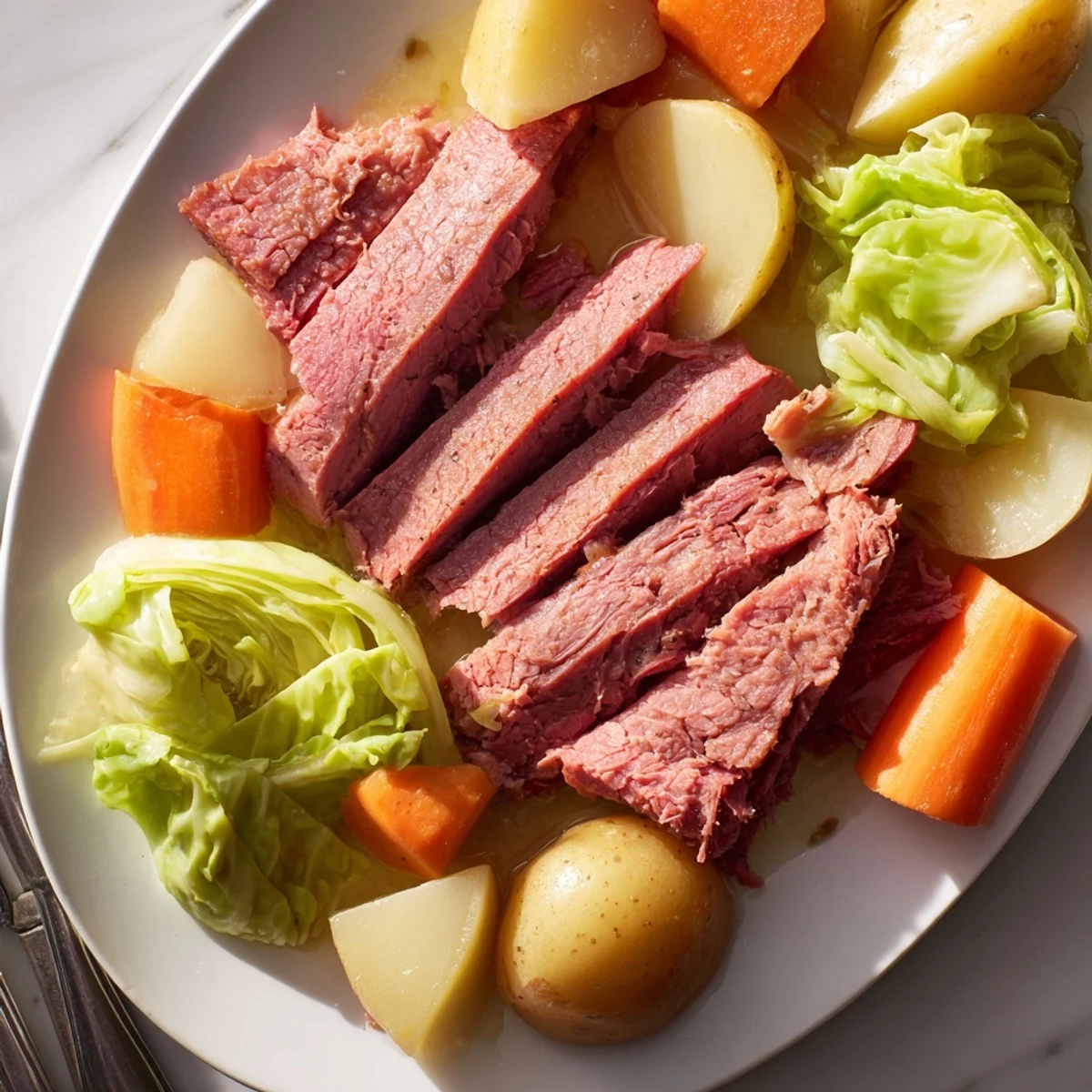
- Arrange sliced meat alongside vegetables and spoon some of that flavorful broth over everything.
 Save to Pinterest
 This recipe transformed my husband from someone who claimed to hate corned beef into the person who now requests it monthly. There's something about that long, slow cooking that turns simple ingredients into something that feels like a hug on a plate.
Making It Your Own
I've learned that a tablespoon of butter stirred into the broth right before serving adds a velvety richness that makes everyone wonder what your secret ingredient is. Some people like to add a splash of beer to the cooking liquid, which gives it a slightly deeper, maltier flavor that works beautifully with the beef.
Serving Suggestions
Creamy horseradish sauce is the classic companion, with its sharp heat cutting through the rich meat. Whole grain mustard also works wonderfully, and I keep both on the table so guests can choose their own adventure. Good crusty bread is essential for sopping up that incredible broth.
Leftovers Worth Having
The next day, this makes the most incredible Reuben sandwiches you've ever tasted. Thin slices of cold corned beef piled high on rye bread with sauerkraut and Swiss cheese will make you wish you'd made a double batch.
- Wrap leftover meat tightly in the broth to keep it moist
- Freeze portions if you won't eat within three days
- The broth freezes beautifully for soup starters
 Save to Pinterest
 There's nothing quite like gathering around a table filled with this simple, satisfying meal while it rains outside. Some traditions stick around for a reason.
Recipe FAQs
- → Why add cabbage during the last 2 hours?
-
Cabbage cooks much faster than the beef and root vegetables. Adding it during the final two hours prevents it from becoming mushy while still allowing it to absorb the savory flavors from the broth.
- → Should I rinse the corned beef first?
-
Yes, rinsing under cold water removes excess brine and helps balance the saltiness. This simple step ensures the final dish has a perfectly seasoned flavor without being overly salty.
- → What's the purpose of the spice packet?
-
The spice packet typically contains mustard seeds, coriander, peppercorns, and bay leaves. These aromatic spices infuse the beef and broth with traditional flavors that complement the natural richness of the meat.
- → Can I use high heat instead of low?
-
While you can cook on HIGH for 4-5 hours, LOW heat for 8 hours produces more tender, flavorful results. The longer, slower cooking time breaks down connective tissues more effectively for that fork-tender texture.
- → How do I slice corned beef properly?
-
Always let the brisket rest for 10 minutes before slicing. Slice against the grain (perpendicular to the muscle fibers) into thin slices. This ensures each bite is tender rather than chewy.
- → What size slow cooker works best?
-
A 6-8 quart slow cooker provides ample space for the brisket and vegetables. This size allows the ingredients to fit comfortably without overcrowding, ensuring even cooking throughout.