
 Save to Pinterest
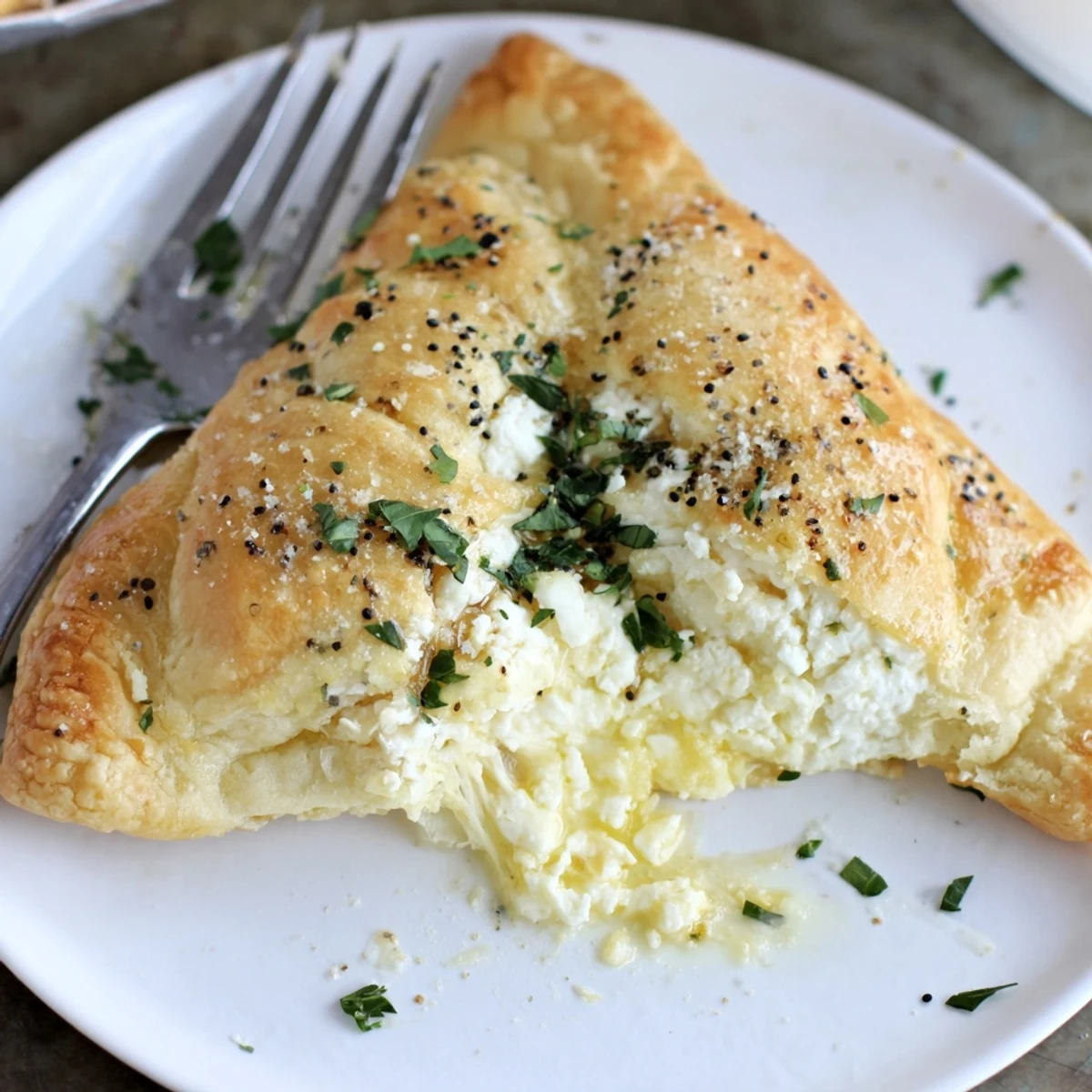
 Begin with a soft, elastic yeast dough and allow it to rise until doubled. Combine crumbled feta, shredded mozzarella, chopped parsley, nigella (optional) and an egg white to bind the filling. Divide dough into 12 rounds, fill, and fold into sealed triangles or ovals. Brush with egg yolk mixed with milk and bake at 190°C (375°F) for 18–22 minutes until golden. Cool slightly and serve warm with herbs, tomatoes or olives.
The kitchen always smells a little brighter when cheese fatayer are baking—something about the mingling scent of yeasty dough and tangy feta is simply joyful. I first attempted these on an unassuming Tuesday, the sort of day that needed a lift, and their warmth brought a little celebration into the ordinary. They’re the kind of pastries that win people over before they’ve even cooled, mostly because I can never resist sneaking one straight from the tray. Every batch since, I find myself humming along as I knead, anticipating the golden results.
I once brought these to a friend’s impromptu backyard gathering while they were still warm—within minutes, a small crowd hovered around the baking sheet, and we spent half the evening tearing triangles and reminiscing about shared meals. There’s something about passing around a basket of homemade fatayer that turns any moment communal.
Ingredients
- All-purpose flour: The backbone of the dough, sift it first to help keep the pastry light.
- Instant dry yeast: Instant yeast means a smoother, speedier rise—look for little bubbles forming in your dough for proof it’s active.
- Sugar: Just a pinch does the trick, waking up the yeast and adding gentle golden color.
- Salt: Never skip—this balances the cheeses and deepens overall flavor.
- Olive oil: Adds tenderness and a touch of richness to every bite; drizzle the bowl before proofing to keep sticking at bay.
- Warm milk: That little bit of warmth is dough magic; test it with your fingertip, it should feel cozy but not hot.
- Feta cheese: Salty, crumbly feta gives the filling its signature tang, and I always try to crumble by hand for the best texture.
- Mozzarella cheese: For stretch and creaminess—pre-shredded works but freshly grated melts more evenly.
- Fresh parsley: Chopped parsley brings freshness and a pop of color; don’t be shy here if you love herbs.
- Nigella or black sesame seeds: Optional but their earthy crunch on top is worth experimenting with once.
- Egg white (for filling): Binds everything together while keeping the cheeses moist as they bake.
- Black pepper: Just a twist or two to accent the cheeses—don’t overdo it.
- Egg yolk & milk/water: This glossy brush over the tops creates irresistibly golden, shiny pastries.
Instructions
- Mix the dough:
- Combine flour, yeast, sugar, and salt in a large bowl, then swirl in olive oil. Gradually pour in the warm milk as you knead—the dough will start out a little sticky but smooths out after a few minutes of gentle stretching under your palms.
- Proof it:
- Tuck your dough into a lightly oiled bowl and cover snugly; it loves a bit of warmth. Wait until it puffs up and springs back gently, about one hour.
- Prepare the filling:
- Mash feta and mozzarella with parsley, nigella seeds if using, egg white, and a good crack of pepper. The mixture should hold clumps and smell deliciously sharp and green as you stir.
- Preheat and prep:
- Heat oven to 375°F (190°C) while lining your baking tray with parchment, making assembly speedy later.
- Shape the dough:
- Punch down the dough and divide evenly into 12 bits—roll each into a small round, then flatten to palm-sized circles on a lightly floured surface.
- Fill and fold:
- Spoon a generous tablespoon of cheesy filling in the center, then bring up edges and pinch firmly to seal into triangles or ovals—it takes practice, but imperfect shapes still taste wonderful.
- Bake:
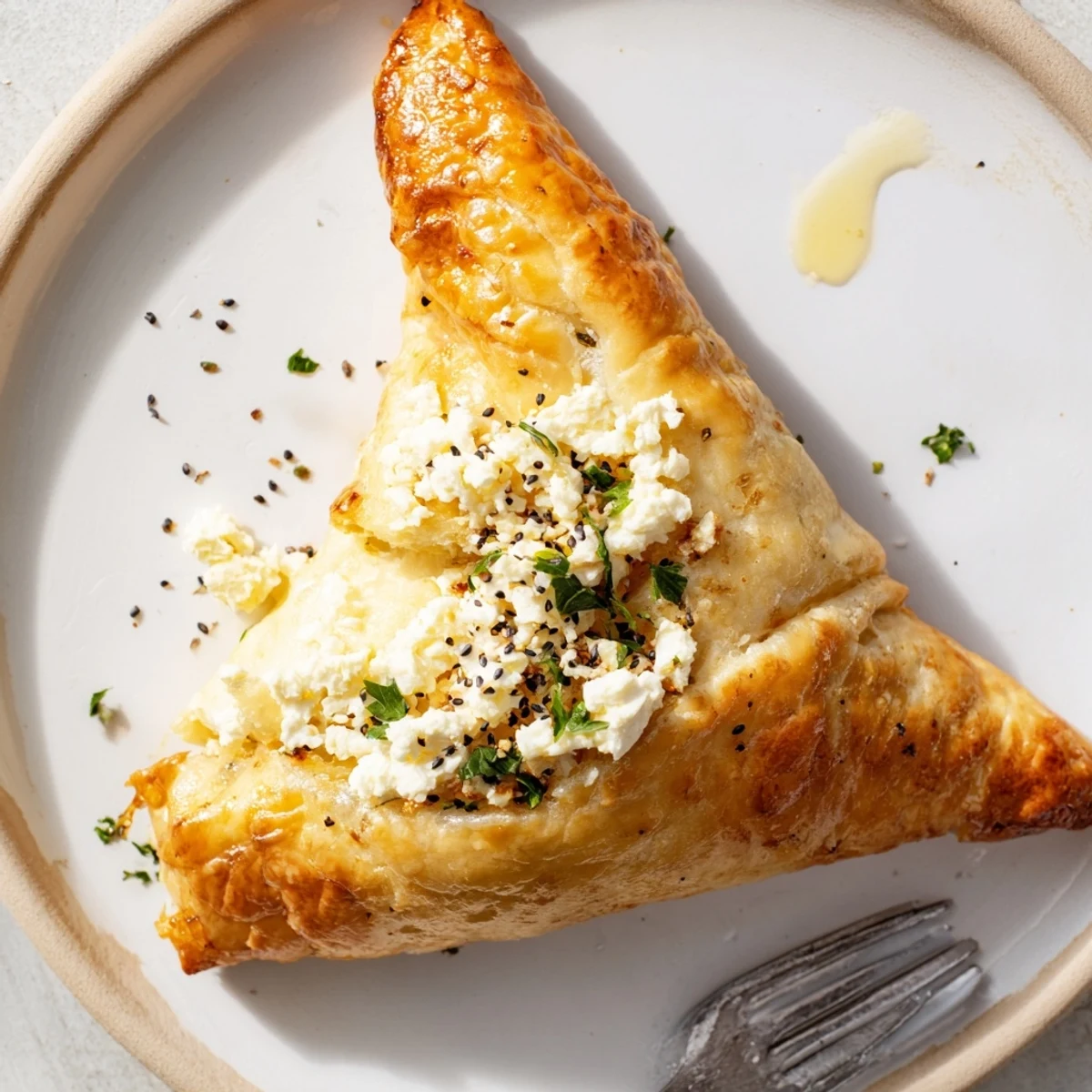
- Lay the fatayer seam-side down, brush with the egg yolk wash for color, and sprinkle extra seeds if you like. Bake until golden and fragrant, about 18–22 minutes, then let them cool just enough to handle.
 Save to Pinterest
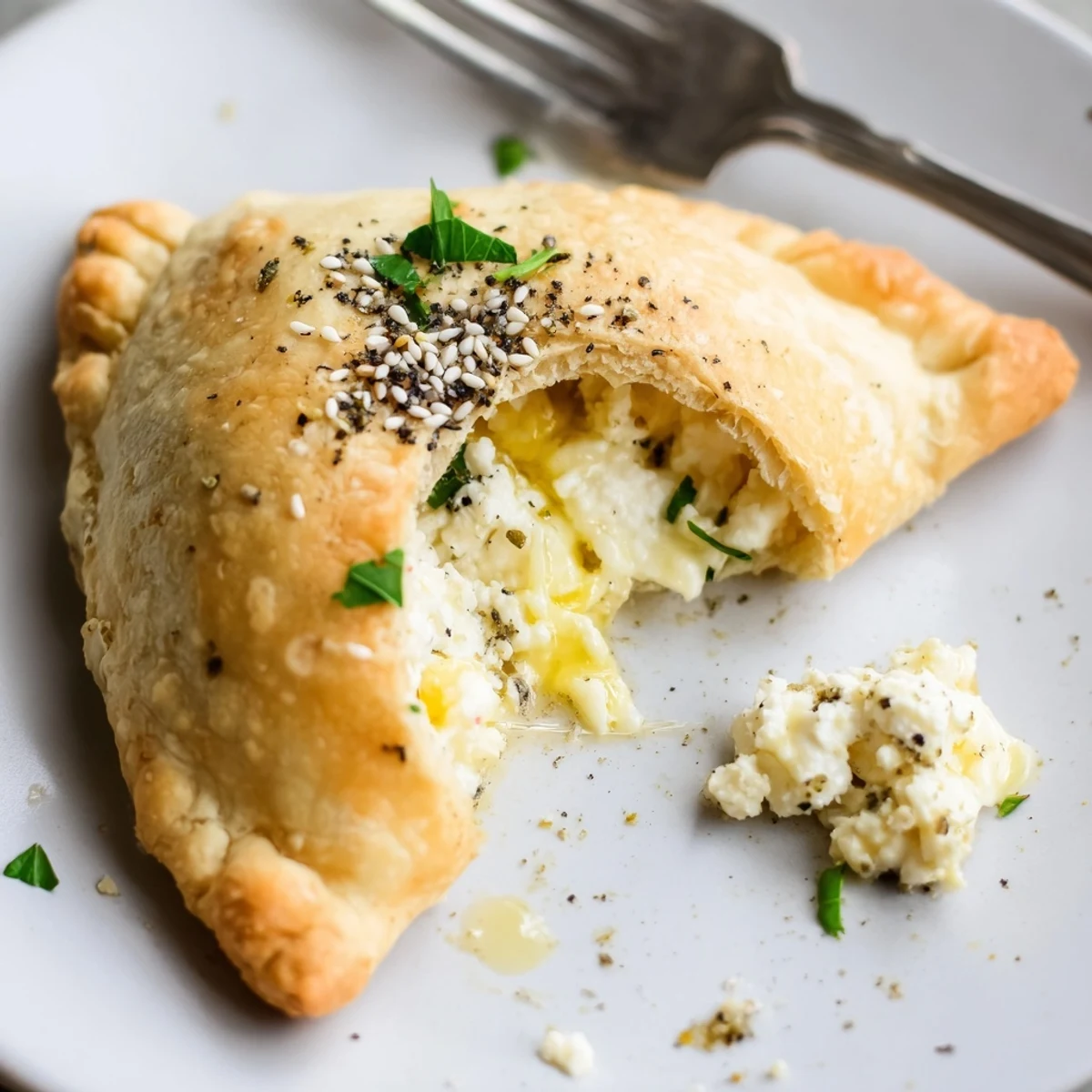
 There’s a joy in breaking open a hot fatayer and watching the curl of steam escape, especially with chatter and laughter echoing around the table. That’s when these pastries turn into tiny shared celebrations rather than just a snack.
What Shape Will You Choose?
Some days I shape each fatayer into perfect triangles, craving neatness; other times, I let them turn out a little rustic and oval, and honestly, both are charming in their own way. The crimping and folding feels meditative, and you quickly learn each piece has its own personality.
Playing With Fillings
Swapping in ricotta, halloumi, or even a handful of chives can create a different mood every time—don’t be afraid to riff on the cheeses you have on hand. Once, I added a portion of chopped sun-dried tomatoes to half the batch, and those pieces disappeared first.
Serving and Snacking Moments
Piling these onto a plate alongside fresh cherry tomatoes and briny olives turns them into a centerpiece at any hour. Leftovers do well wrapped and gently reheated, but rarely do they last past the next morning.
- If you want an herby boost, tuck mint or dill into the filling.
- Enjoy with hot tea for a classic touch.
- Don’t skip the glossy egg wash—it truly makes them shine and helps seeds cling.
 Save to Pinterest
 Making cheese fatayer is always an adventure—whether you bake for yourself or others, each bite brings a reminder of simple joys. May your kitchen fill with laughter, curiosity, and the golden scent of baking pastries.
Recipe FAQs
- → How do I prevent the fatayer from opening while baking?
-
Ensure the dough edges are pinched firmly and slightly dampen the seams with a touch of water before sealing. Don’t overfill each pocket; a generous tablespoon is enough to avoid splitting.
- → Can I use other cheeses instead of feta and mozzarella?
-
Yes. Try ricotta for creaminess, halloumi for a firmer texture, or a blend of tangy and melty cheeses. Adjust salt if using salty varieties like halloumi or aged feta.
- → What’s the best way to shape fatayer?
-
Roll each dough ball into a 4–5 inch circle, place filling in the center, then fold edges into a triangle or oval, pressing seams tightly. Practice gives consistently neat shapes.
- → Can I prepare fatayer ahead or freeze them?
-
You can shape unbaked fatayer and freeze on a tray until firm, then transfer to a bag. Bake from frozen, adding a few minutes to the bake time. Alternatively, refrigerate shaped pastries for a short time before baking.
- → How do I get a glossy, deep golden finish?
-
Brush tops with a mixture of egg yolk and a little milk or water right before baking. A second light brush halfway through baking can deepen the color without burning.
- → What substitutions work for nigella seeds if unavailable?
-
Use black sesame seeds for a similar crunch and nutty flavor, or omit seeds and sprinkle sea salt or za’atar for an aromatic finish.