
 Save to Pinterest
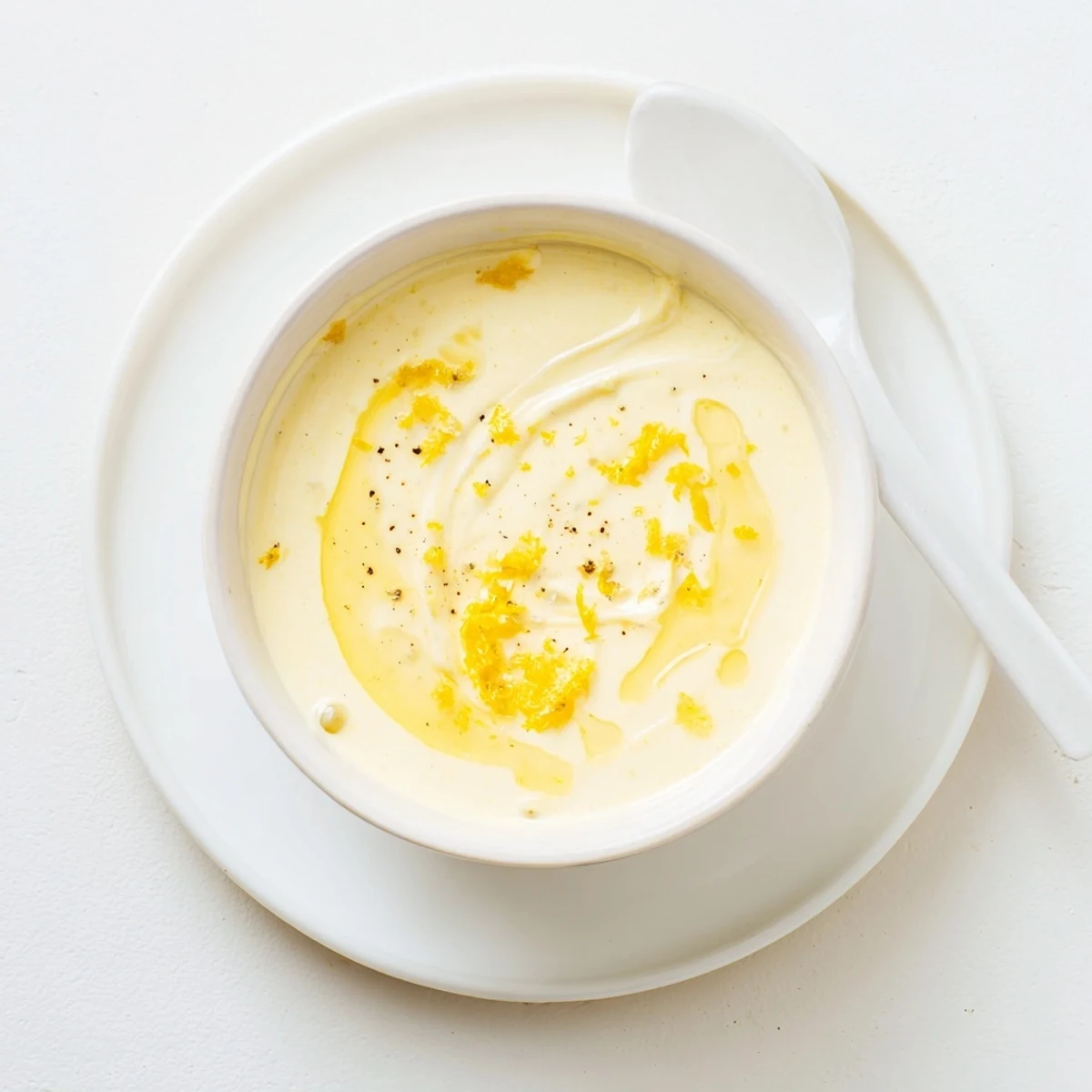
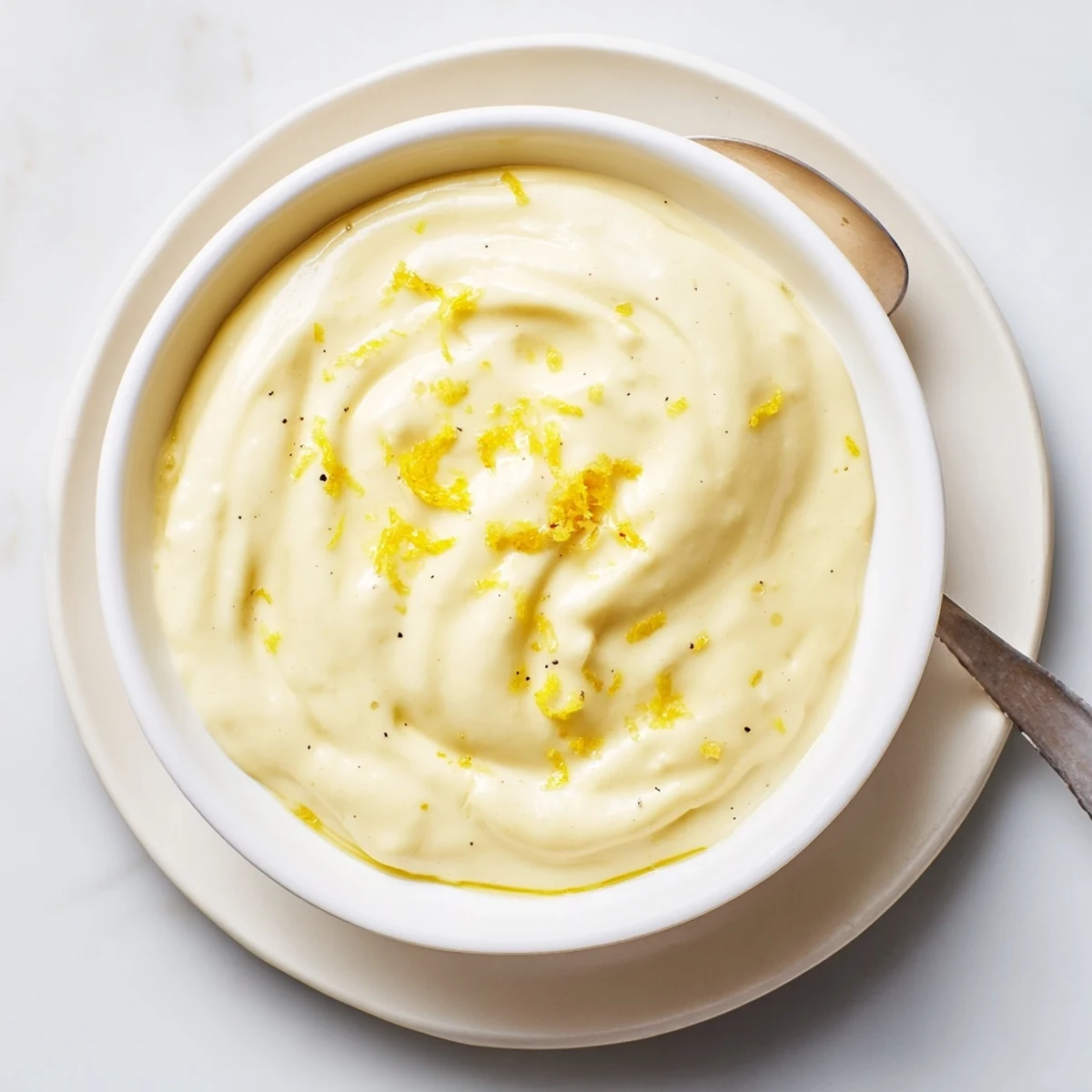
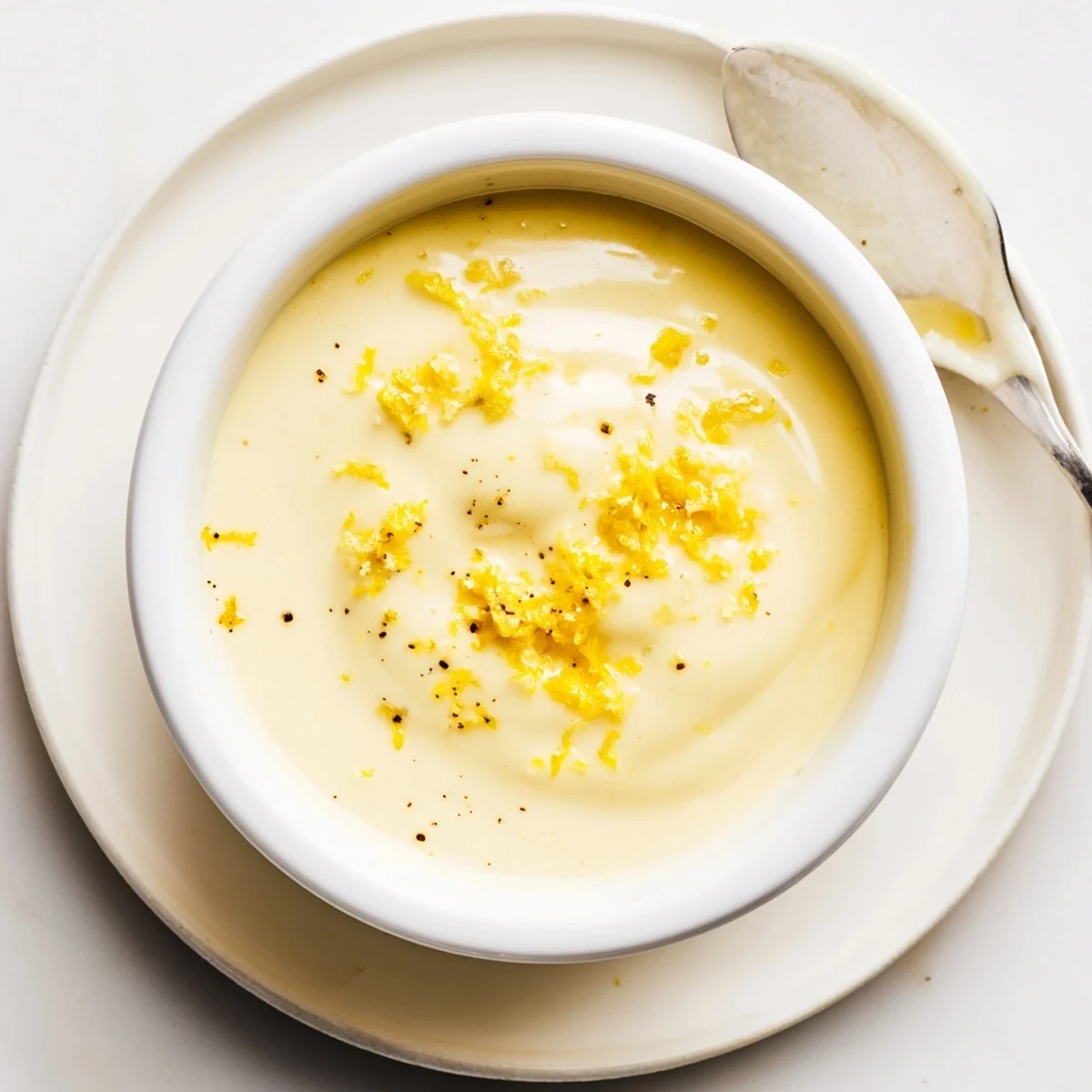
 This zesty vinaigrette combines freshly squeezed lemon juice with creamy Greek yogurt for a rich yet light dressing that clings beautifully to greens and roasted vegetables. The Dijon mustard acts as an emulsifier, helping olive oil blend seamlessly with citrus while adding a subtle depth that balances honey's sweetness. Prepare in minutes by whisking ingredients together, then slowly drizzling in oil until thickened. Keep refrigerated for up to five days—the flavors actually meld and improve over time. Perfect for drizzling over crisp salads, grain bowls, or use as a tangy dip for fresh crudités and grilled proteins.
I had one of those moments last spring where I stood in front of the fridge, staring down three wilting heads of romaine and a container of sad roasted vegetables from two days prior. Everything needed saving, and my usual balsamic drizzle felt tired. That afternoon I threw together whatever bright things I could find—lemons, a dollop of yogurt, mustard—and shook it in an old jam jar until my arm hurt. Suddenly those tired vegetables became something I actually wanted to eat for lunch three days in a row.
My sister was over for dinner that same week, watching me prep a massive salad with this dressing and eyeing the jar skeptically. Shes worked in restaurants and can be brutal about homemade dressings that separate or taste tinny. I tossed the greens and slid her a bowl without saying a word. She took one bite, paused, and asked for the recipe immediately. Now she keeps a jar in her fridge at all times and texts me whenever she runs low.
Ingredients
- Freshly squeezed lemon juice: Bottled lemon juice has a strange aftertaste that becomes obvious in something this simple, so take the extra two minutes to squeeze real lemons
- Lemon zest: This is where all those aromatic oils live, and grating it directly into your bowl adds layers of fragrance you cannot get from juice alone
- Dijon mustard: The secret weapon that helps everything emulsify and adds that subtle spicy heat that cuts through rich ingredients
- Honey or maple syrup: Just enough to tame the acid without making the dressing taste like dessert
- Extra virgin olive oil: Use something you actually like drinking plain because you will absolutely taste it here
- Greek yogurt: This transforms a standard vinaigrette into something velvety and substantial, though sour cream works if you want more tang
- Garlic: Grate it directly into the bowl so it practically dissolves instead of leaving raw chunks in your teeth
- Fine sea salt: Coarse salt will not dissolve properly and you will end up with weird salty pockets
- Freshly ground black pepper: Grind it right before you make the dressing because pre-ground loses its punch within weeks
Instructions
- Combine the base ingredients:
- In a medium bowl or a glass jar with a tight lid, add the lemon juice, lemon zest, Dijon mustard, honey or maple syrup, Greek yogurt, garlic, salt, and pepper
- Whisk until creamy:
- Use a whisk or shake the jar vigorously until the mixture is completely smooth and the yogurt has incorporated into the liquid
- Emulsify with olive oil:
- Slowly drizzle in the olive oil while whisking continuously, or add it all to the jar and shake until the dressing thickens and turns opaque
- Taste and adjust:
- Dip a leaf of lettuce into the dressing and take a bite, then add more salt, honey, or lemon juice until it tastes perfect to you
- Store and use:
- Keep the dressing in a sealed container in the refrigerator for up to five days, shaking or stirring well before each use
 Save to Pinterest
 There was a Tuesday last month when I had zero energy for cooking but still wanted something that felt like a real meal. I roasted whatever vegetables were in the crisper drawer, tossed them with warm quinoa, and drizzled this vinaigrette over everything while it was still hot. The yogurt softened into a warm sauce and the lemon popped against the sweet roasted carrots. I ate standing at the counter and honestly it was better than most restaurant salads I have had.
Making It Your Own
Once you have the basic formula down, this dressing becomes a canvas for whatever flavors you are craving. Sometimes I swap the yogurt for tahini when I want something nuttier, or I use champagne vinegar instead of lemon when the mood strikes. The mustard stays constant because that is what holds everything together, but beyond that you can play around.
What To Serve It With
Beyond the obvious green salads, this stuff is incredible on roasted broccoli or as a dip for raw vegetables. I have also drizzled it over grilled chicken where the acidity cuts through the char, and thin it with a little more lemon juice to use as a sauce for grain bowls. Its versatility is kind of ridiculous for something so simple.
Storage And Prep
I always double this recipe because having a jar ready in the fridge means I am much more likely to actually eat vegetables during busy weeks. The flavors actually meld and improve after a day or two, so it is worth making ahead.
- Use a glass jar with a wide mouth so you can easily scrape out the last bits with a spoon
- Label your jar with the date because dairy-based dressings should not hang around longer than five days
- If you are meal prepping, store the dressing separately from your greens until you are ready to eat
 Save to Pinterest
 Once you start making your own dressings, the bottled stuff will taste disappointingly flat and one dimensional. This recipe became my backup for everything from quick weeknight dinners to last minute guests, and I honestly cannot remember the last time I bought dressing at the grocery store.
Recipe FAQs
- → How long does this dressing keep?
-
This vinaigrette stays fresh in the refrigerator for up to 5 days. The oil may solidify slightly when chilled—simply let it sit at room temperature for a few minutes and shake or whisk well before using.
- → Can I make this vegan?
-
Absolutely. Substitute dairy-free yogurt or coconut yogurt for the Greek yogurt, and use maple syrup instead of honey. The texture remains wonderfully creamy and the flavor profile stays bright and tangy.
- → Why isn't my dressing emulsifying?
-
Emulsification works best when all ingredients are at room temperature. Whisk the base ingredients thoroughly before slowly drizzling in the olive oil while continuously whisking. The Dijon mustard helps bind everything together—make sure you're whisking vigorously as you add the oil.
- → What can I use instead of Greek yogurt?
-
Sour cream creates an even richer flavor and creamier texture. For dairy-free options, try coconut yogurt or cashew cream. You can also omit the creamy element entirely for a thinner, more traditional vinaigrette consistency.
- → How do I adjust the acidity?
-
Taste your dressing after the initial mix. If it's too tart, add another teaspoon of honey or maple syrup. If it needs more brightness, squeeze in fresh lemon juice a teaspoon at a time. Remember that flavors mellow slightly after chilling, so aim for a slightly stronger flavor than your target preference.
- → Can I freeze this vinaigrette?
-
Freezing isn't recommended—the emulsion may break and separate upon thawing, creating an unappealing texture. Since this comes together so quickly and keeps well in the refrigerator, it's best enjoyed fresh within the 5-day window.