
 Save to Pinterest
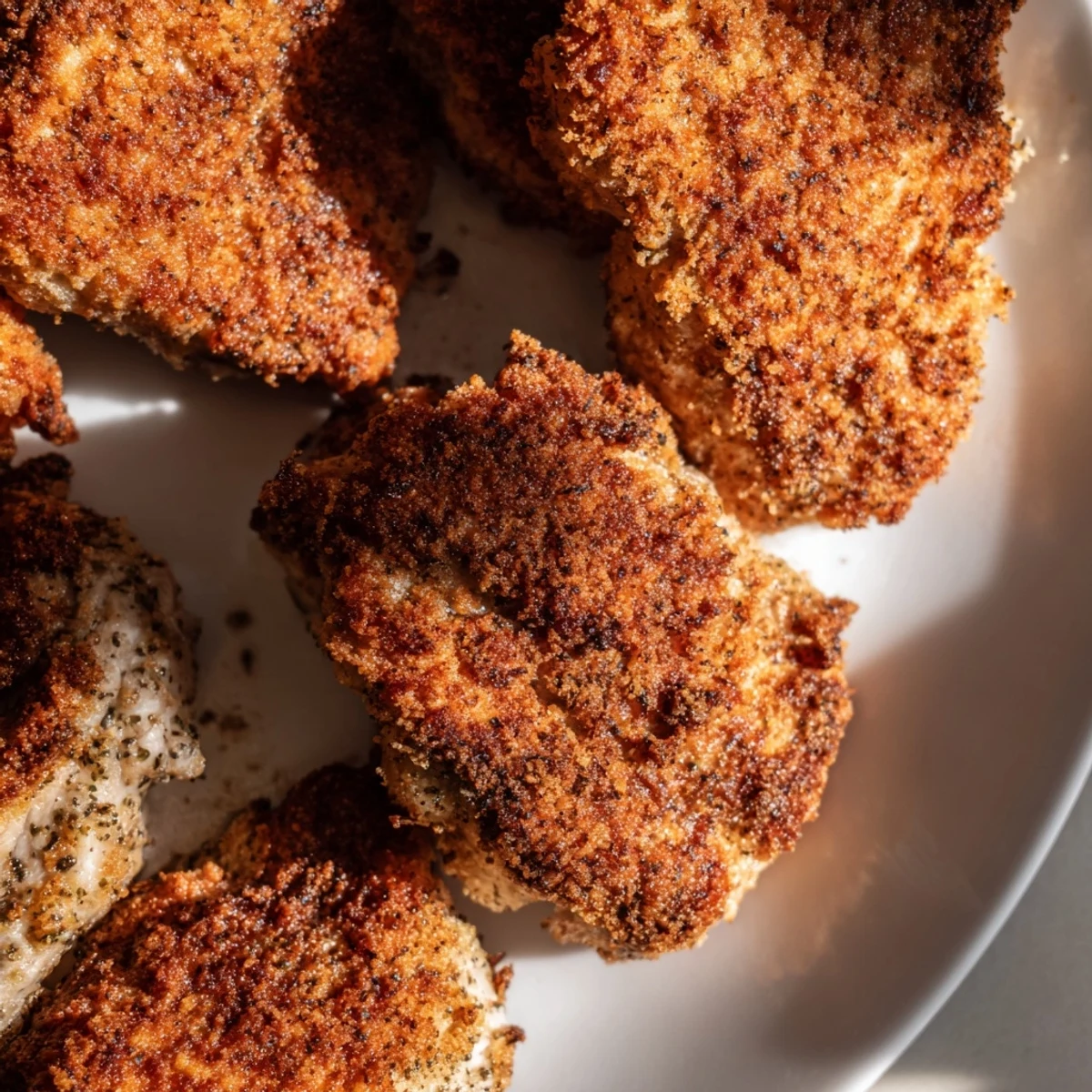
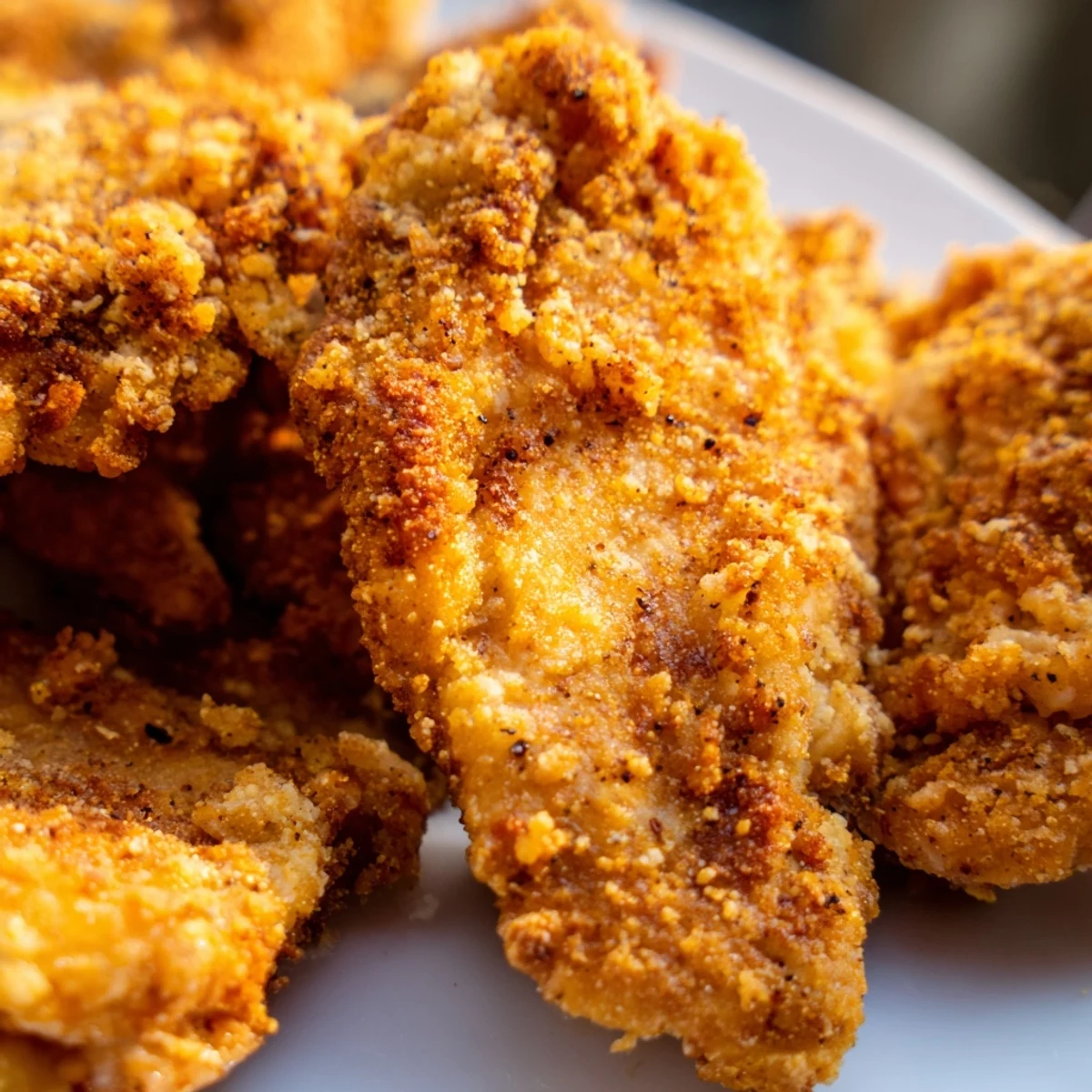
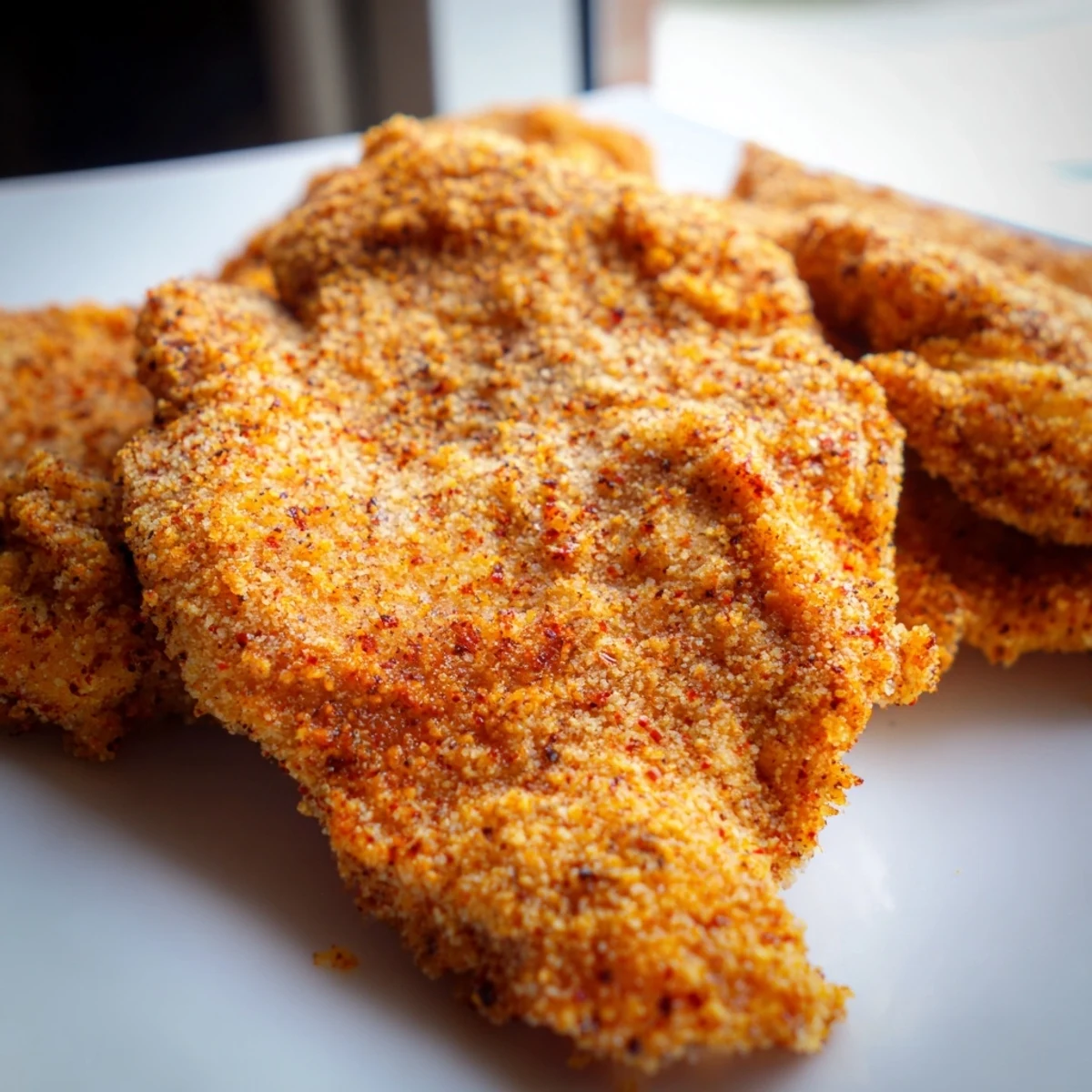
 This Southern-style fried chicken features boneless breasts soaked in buttermilk, then double-coated in a seasoned flour blend with paprika, garlic, and cayenne. The double-dredging method creates an exceptionally crispy exterior while keeping the meat moist and tender. Fried at 350°F until golden brown, each piece delivers that perfect crunch followed by juicy, flavorful chicken.
The buttermilk marinade tenderizes the meat while the cornstarch-enhanced coating provides extra crunch. Serve hot for the crispiest texture.
The smell of paprika and frying oil still takes me back to my grandmother's tiny kitchen in Alabama, where she'd fry chicken on Sunday afternoons while telling stories about her own childhood. I tried recreating her recipe for years, always missing something until I finally understood it was the double dip in flour that created that signature shattering crunch she was famous for. Now whenever I make this, my kitchen fills with the same intoxicating aroma that used to draw neighbors to her back door.
Last summer, I made this for a Fourth of July barbecue and watched my normally quiet uncle's eyes light up at first bite. He immediately asked if I'd put any special ingredients in there, and I had to explain that sometimes the simplest techniques—like letting chicken soak in buttermilk overnight—make all the difference in the world. That afternoon, three different people asked for the recipe, and I realized this wasn't just dinner anymore, it was a memory maker.
Ingredients
- Chicken breasts: Boneless and skinless gives you the crispest coating, but pound them evenly so they cook at the same rate
- Buttermilk: This is the secret weapon for tender chicken, the acidity breaks down proteins while adding subtle tang
- Allpurpose flour: The base of your coating, but adding cornstarch makes it extra crispy and lighter
- Paprika: Not just for color, this adds a subtle sweetness and depth to the coating
- Garlic and onion powder: Use powder instead of fresh for even distribution throughout the flour mixture
- Cornstarch: The game changer for extra crunch without making the coating heavy
- Eggs and milk: Your egg wash helps the second layer of flour stick and creates that thick crispy crust
- Vegetable oil: Neutral oil lets the chicken's flavor shine, and you need enough to fully submerge each piece
Instructions
- Prep the chicken:
- Pound those chicken breasts between plastic wrap until they're an even half inch thick—this isn't just about tenderizing, it ensures every piece finishes cooking at the same time so nothing dries out.
- Create the buttermilk soak:
- Whisk buttermilk with hot sauce in a large bowl, add the chicken and turn to coat, then let it marinate for at least an hour or overnight if you have time.
- Mix your seasoned flour:
- Combine flour with cornstarch and all your spices in a shallow dish, making sure to break up any clumps of garlic or onion powder so the seasoning is even.
- Prepare the egg wash:
- Whisk eggs with milk in a separate bowl until completely smooth—you want this to be the perfect consistency for dipping.
- Double dip technique:
- Lift chicken from the buttermilk, let excess drip off, dredge thoroughly in seasoned flour, dip in egg wash, then coat again in flour while pressing gently to help it adhere.
- Heat your oil:
- Bring vegetable oil to 350°F in a deep skillet or Dutch oven, and if you don't have a thermometer, drop a pinch of flour in the oil—if it sizzles immediately, you're ready.
- Fry to perfection:
- Cook chicken in batches without crowding the pan for 5 to 7 minutes per side until golden brown and the internal temperature hits 165°F.
- Rest before serving:
- Transfer to a wire rack and let the chicken rest for 5 minutes so the crust sets up and the juices redistribute.
 Save to Pinterest
 My daughter used to be skeptical about fried chicken until she watched me make this recipe one rainy afternoon. She hovered around the stove asking questions about each step, and when she finally took her first bite, she looked at me with wide eyes and said this was nothing like restaurant chicken—it was better. Now she requests it for her birthday dinner every year, and I know this recipe will be passed down to her someday.
Mastering the Crust
The double dipping technique might feel messy, but it's absolutely essential for that restaurant quality crunch. The first layer of flour bonds with the buttermilk soaked chicken, the egg wash creates an adhesive layer, and the second flour coat becomes that thick, crispy shell everyone loves. I've tried skipping steps when I'm rushed, and it's just never the same—commit to the process.
Oil Temperature Secrets
Too cold and your chicken will be greasy, too hot and the outside burns before the inside cooks through. I keep a deep fry thermometer clipped to the side of my pot now after ruining too many batches by guessing. If you notice the oil getting darker between batches, your oil is breaking down and you'll need to start fresh with new oil.
Serving Suggestions
Classic sides like mashed potatoes with gravy and creamy coleslaw never fail, but I've discovered that warm cornbread with honey butter creates an amazing meal. The sweetness balances the heat if you added cayenne, and something about the combination just feels like home.
- Keep fried chicken warm in a 200°F oven on a wire rack so air circulates
- Serve with lemon wedges to cut through the richness
- Make extra because leftovers rarely happen
 Save to Pinterest
 There's something deeply satisfying about making fried chicken at home, about standing at the stove while oil pops and sizzles, knowing you're creating something that will bring people together around the table. Every batch I make feels like a small tribute to all the cooks who taught me that simple food, made with care, is always the best kind.
Recipe FAQs
- → Why double-dredge the chicken?
-
Double-dredging creates a thicker, crunchier coating that adheres better during frying. The first layer seals the meat, while the second builds up that signature crispy exterior.
- → How long should chicken marinate in buttermilk?
-
Marinate for at least 1 hour, but overnight is ideal. The buttermilk's acidity tenderizes the meat and adds subtle tanginess throughout.
- → What oil temperature is best for frying?
-
Maintain oil at 350°F (175°C). Too hot burns the coating before the meat cooks through; too cool makes the chicken greasy and soggy.
- → How do I know when the chicken is done?
-
Use a meat thermometer to check for 165°F (74°C) internally. The coating should be golden brown and the juices should run clear when pierced.
- → Can I use chicken thighs instead of breasts?
-
Absolutely. Thighs are more forgiving and remain juicier. Adjust cooking time slightly—thighs may need a minute or two longer per side.