
 Save to Pinterest
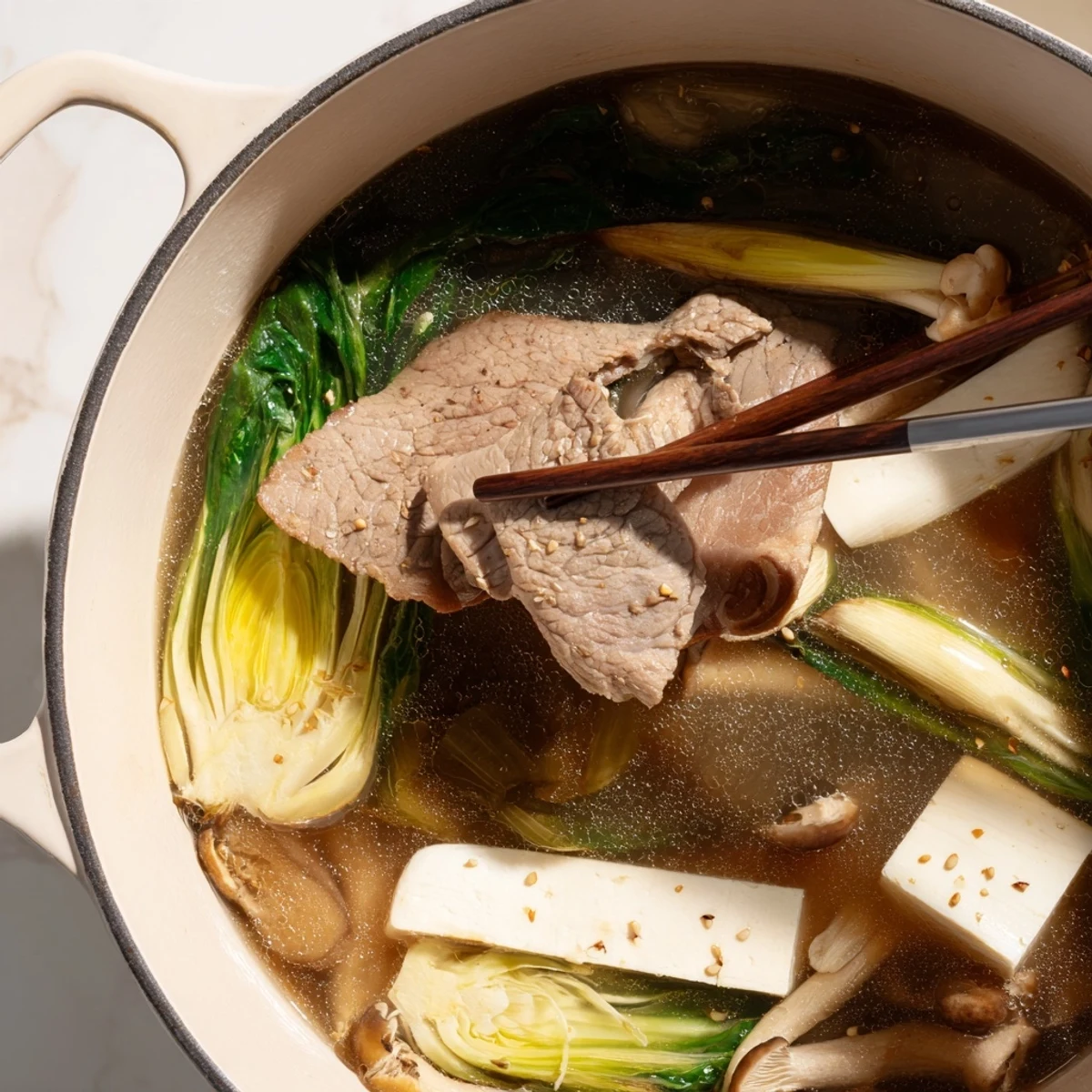
 Experience the interactive art of Japanese shabu shabu, where thinly sliced beef and pork meet an array of fresh vegetables in a simmering dashi broth. This communal dining tradition brings everyone together around the table, cooking bite-sized pieces with a gentle swishing motion and savoring them with tangy ponzu or creamy sesame sauces.
The meal concludes with udon noodles absorbing the rich, flavorful broth for a satisfying finish. Perfect for gatherings, this customizable dish adapts to various preferences with options for seafood, chicken, or vegetarian variations.
The first time I had shabu shabu was in a tiny Tokyo restaurant where the owner showed me how to properly swish the beef, laughing when I accidentally splashed broth on myself. Now it's become my go-to dinner party dish because everyone gathers around the pot, cooking and talking, somehow making the whole evening feel more connected than any seated meal ever could.
Last winter my friends came over during a snowstorm, and we spent three hours huddled around the steaming pot, hands warming between bites, talking about everything and nothing until the broth had reduced to the most incredible soup base for the noodles.
Ingredients
- 8 cups dashi stock or low sodium chicken broth: The foundation of everything, use homemade dashi if you can, it makes such a difference in depth
- 2 inch piece of kombu dried kelp: This adds that subtle umami richness that defines Japanese cooking, dont let it boil or it gets bitter
- 400 g thinly sliced beef sirloin or ribeye: Ask your butcher to slice it paper thin, freezing for 20 minutes helps if slicing at home
- 200 g thinly sliced pork loin optional: Adds variety and a different texture, though beef alone is perfectly traditional
- 1/2 Chinese cabbage: This becomes sweet and silky in the broth, my favorite part of the whole meal
- 1 bunch spinach trimmed: Fresh spinach wilts beautifully and adds that bright color to the platter
- 1 large carrot thinly sliced: Use a vegetable peeler for ribbons instead of rounds, they cook faster and look elegant
- 200 g shiitake mushrooms stems removed: These become meaty and absorb the broth flavor like magic
- 200 g enoki mushrooms trimmed: Their delicate texture contrasts perfectly with the heartier ingredients
- 1 leek sliced diagonally: Leeks develop a sweetness in the hot broth that onions just cant match
- 1 block firm or silken tofu cut into cubes: Silken feels luxurious, firm holds up better if you prefer substance
- 200 g udon noodles pre cooked or fresh: These soak up the final broth and become the best part of the meal
- 1/2 cup ponzu sauce: The citrus brightness cuts through the rich meat and warms the palate
- 1/2 cup sesame sauce goma dare: Creamy and nutty, this creates such a satisfying contrast to the ponzu
- 2 green onions finely sliced: Scatter these throughout the meal for fresh bites and color
- 2 tbsp toasted sesame seeds: Toast them right before serving, the aroma alone is worth it
Instructions
- Prepare the broth base:
- Place kombu and dashi stock in a large pot, heating gently until just before boiling, then remove the kombu carefully. Keep the broth at a gentle simmer throughout the meal, adding more liquid if needed.
- Arrange everything beautifully:
- Set out the meats, vegetables, tofu, and noodles on large platters, grouping by color and texture. This presentation matters, it makes the whole experience feel special and lets guests see all their options.
- Set up your cooking station:
- Place a portable burner or induction cooktop at the dining table with the simmering pot positioned safely. Make sure every diner has their own small bowl for dipping sauces and chopsticks or slotted ladles for cooking.
- Cook and swish together:
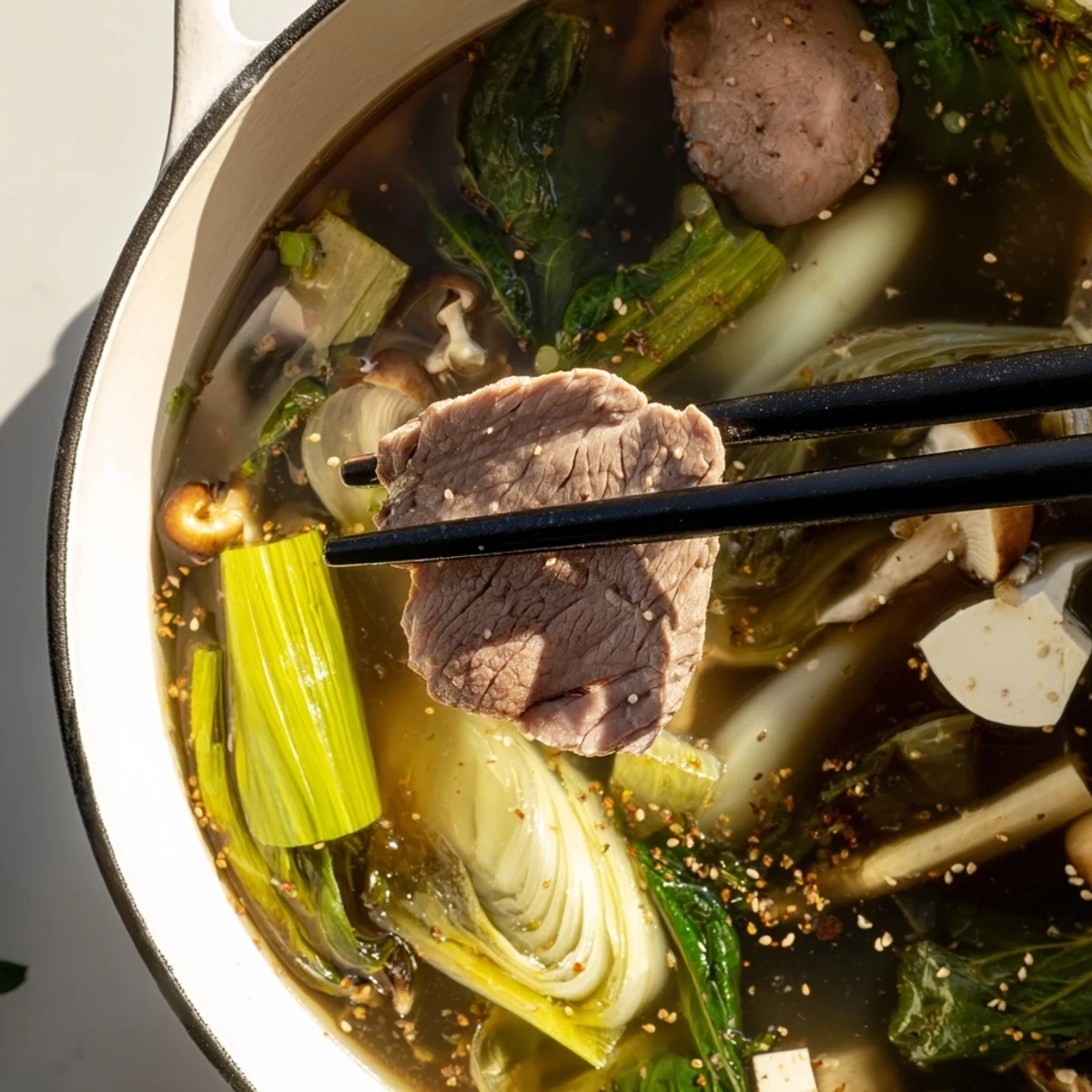
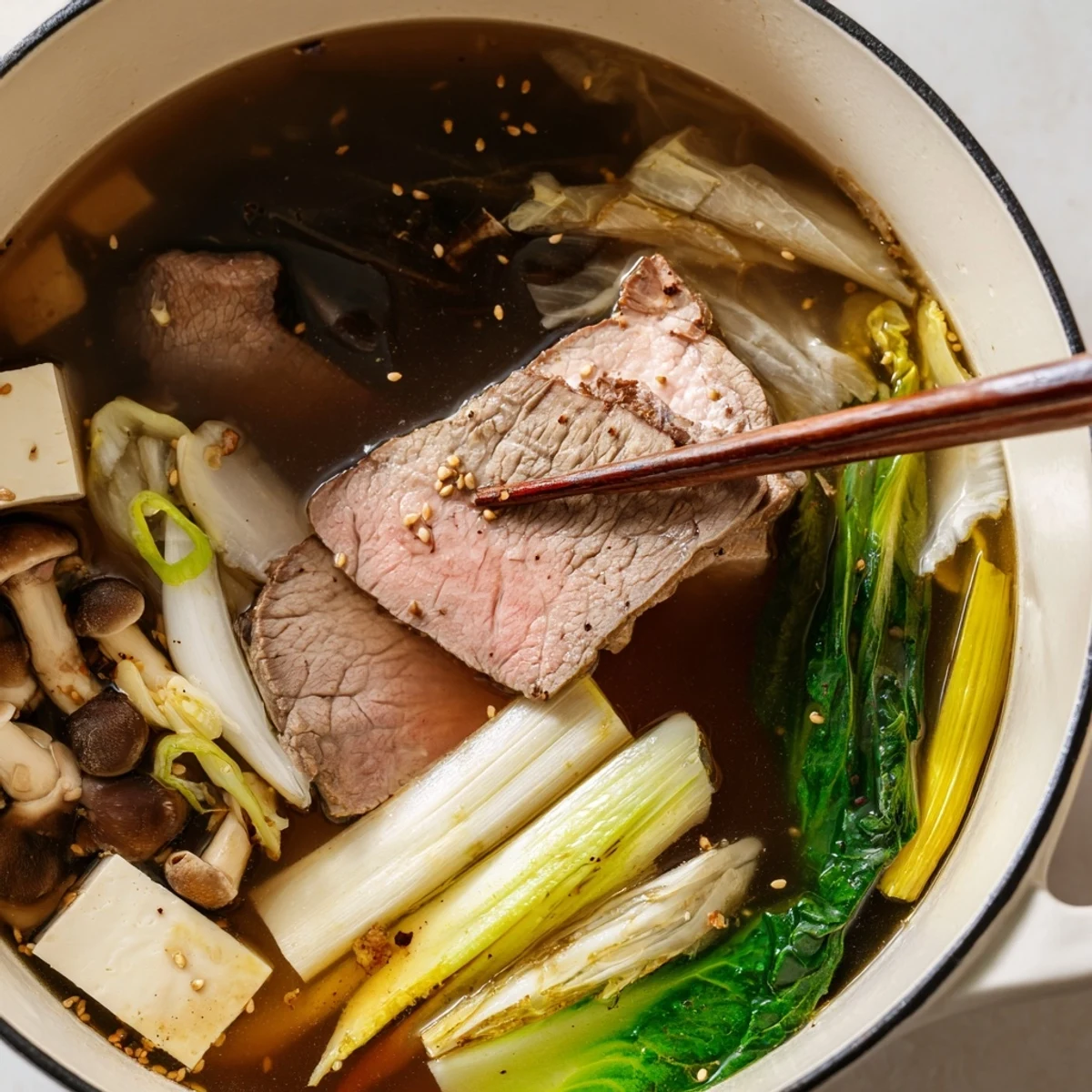
- Show everyone how to swish thin meat slices in the broth for just seconds until they turn pink. Vegetables take longer, maybe a minute or two depending on thickness, and tofu just needs a gentle warming through.
- Dip and enjoy:
- Dip each cooked piece into either ponzu for brightness or sesame sauce for richness, alternating as the mood strikes. There is no wrong way to sauce your shabu shabu.
- Finish with noodles:
- Add udon noodles to the remaining broth during the last 10 minutes, letting them absorb all those incredible flavors. Serve this soulful soup as the grand finale to your meal.
 Save to Pinterest
 My daughter now requests shabu shabu for every birthday dinner, saying its the one meal where nobody rushes and everyone actually talks to each other instead of their phones. That's worth more than any fancy restaurant meal in my book.
Setting the Table Right
I learned the hard way that individual dipping bowls prevent all that sauce mixing that happens when everyone shares. Set out small bowls for each person, maybe two per diner if you want to keep the sauces pure. A ladle in the pot helps too, especially for guests who are less comfortable with chopsticks or fishing out vegetables.
Building the Ultimate Broth
After years of making this, I started adding a splash of soy sauce and a pinch of sugar to the dashi right at the start. It creates that restaurant depth that always seemed missing from my home version. The broth concentrates as the meal goes on, becoming more flavorful with every ingredient that takes a dip in it.
Perfect Pairings and Sides
A cold glass of dry sake cuts through the rich meat and warms you from the inside out, while green tea provides a gentle counterpoint if you prefer something non alcoholic. I always serve simple steamed rice on the side for anyone who wants to make a quick rice bowl with leftover meat and vegetables.
- Set out extra napkins, this is definitely not a neat meal and that is part of its charm
- Keep a pitcher of hot water nearby to replenish the broth if it reduces too much
- Leftover broth makes the most incredible miso soup base the next morning
 Save to Pinterest
 There is something profoundly satisfying about cooking together, slowing down, and letting a simple pot of broth become the center of an entire evening. That is the real magic of shabu shabu.
Recipe FAQs
- → What does shabu shabu mean?
-
Shabu shabu is an onomatopoeic Japanese term describing the swishing sound made when thinly sliced meat is gently cooked in the hot broth. This rhythmic motion releases the flavors and ensures perfectly tender, quick-cooked pieces.
- → What meat cuts work best for shabu shabu?
-
Choose well-marbled beef cuts like sirloin or ribeye, sliced paper-thin at your butcher counter. Pork loin offers a leaner alternative, while thinly sliced chicken or seafood provide delicious variations for different preferences.
- → Can I make shabu shabu vegetarian?
-
Absolutely. Prepare kombu dashi using dried kelp, skip the meat entirely, and load up on tofu, mushrooms, cabbage, spinach, and carrots. The vegetable-infused broth becomes incredibly flavorful, especially when finished with udon noodles.
- → What's the difference between shabu shabu and Sukiyaki?
-
Shabu shabu features a light, savory dashi broth where you cook ingredients briefly and dip them in sauces afterward. Sukiyaki uses a sweet soy-based simmering liquid that cooks and flavors the ingredients directly in the pot.
- → How do I eat shabu shabu properly?
-
Use chopsticks to swish meat slices in the broth for just 10-15 seconds until cooked through. Vegetables need slightly longer. Dip each piece into either ponzu for citrus brightness or sesame sauce for nutty richness. Enjoy noodles at the end to soak up the seasoned broth.
- → What equipment do I need?
-
A large pot, portable burner or induction cooktop for tableside cooking, chopsticks or slotted ladles for handling ingredients, plus serving platters and individual dipping bowls. The tabletop setup creates an engaging, social dining experience.