
 Save to Pinterest
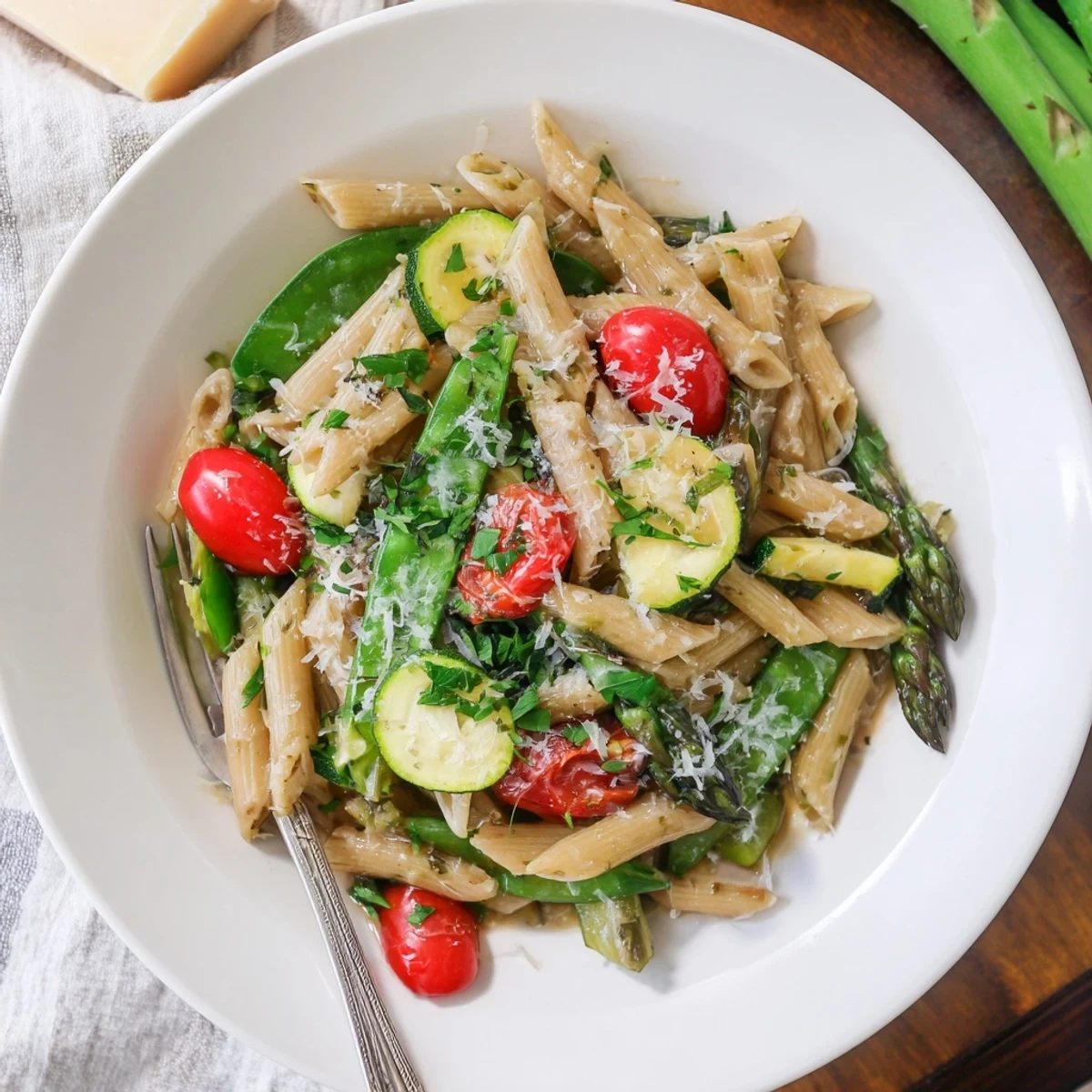
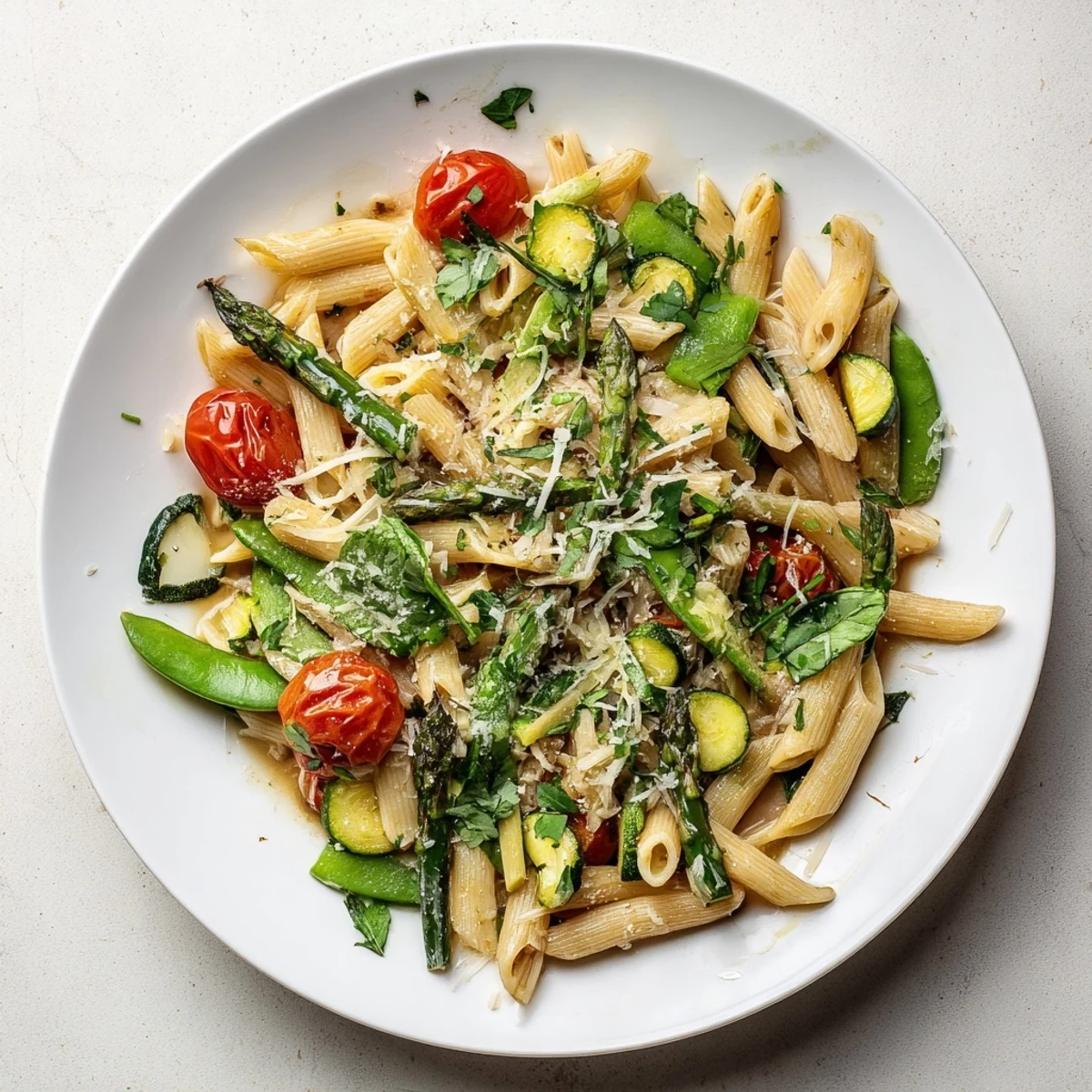
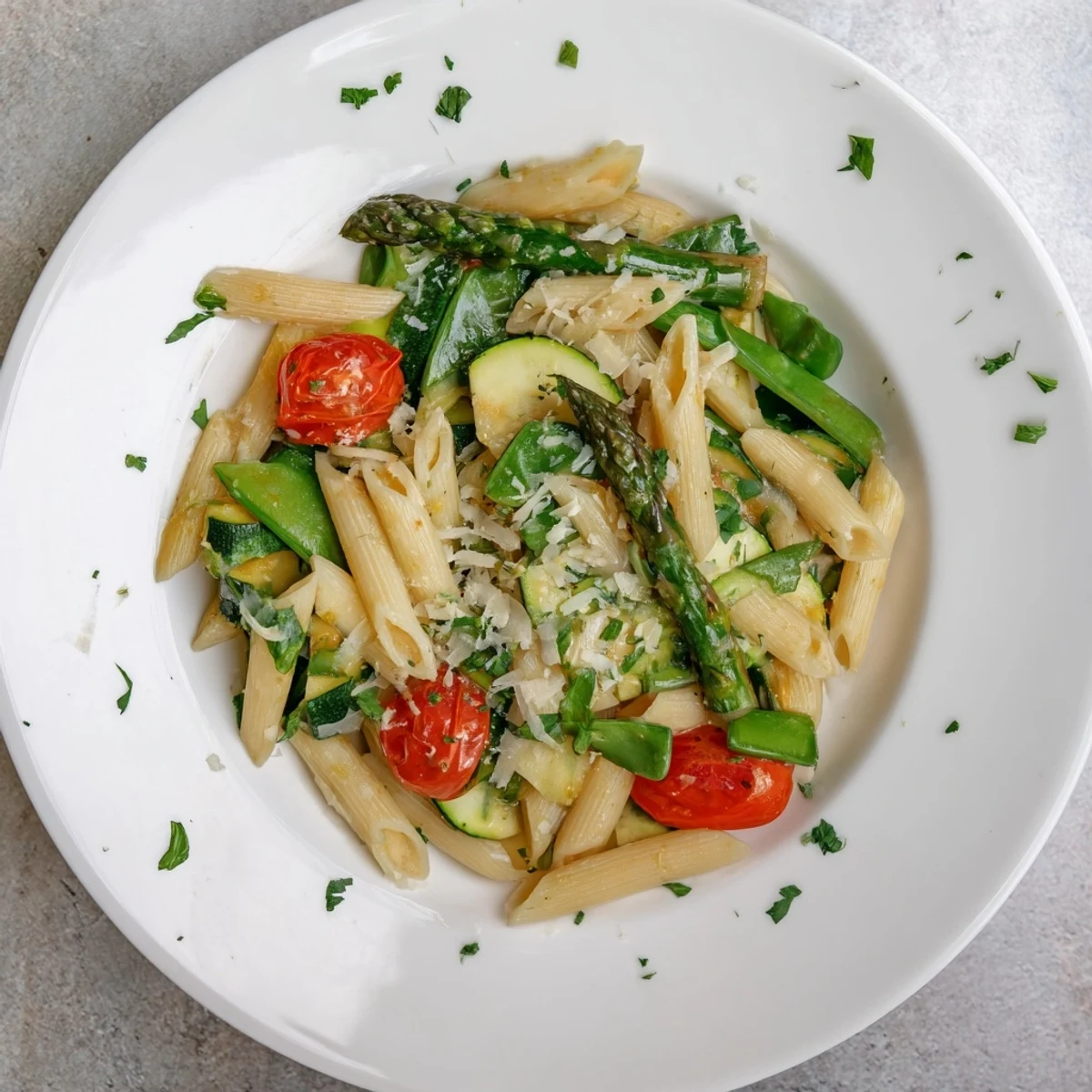
 This one-pot pasta combines tender vegetables like asparagus, sugar snap peas, and zucchini with penne in a flavorful vegetable broth. The pasta cooks directly with the vegetables, absorbing all the flavors while creating a light sauce. Finished with lemon zest, Parmesan, and fresh herbs, this Italian-inspired dish comes together in just 35 minutes with minimal cleanup.
The first time I made this pasta, it was a Tuesday evening and I had zero energy for washing multiple pots. I threw everything into my largest skillet, half convinced it would be a disaster. Instead, the pasta absorbed all that vegetable broth and turned impossibly creamy without any actual cream. Now it is my go to when I want something that feels like spring but does not require hours of prep.
Last April my sister came over for dinner and watched me dump raw pasta into simmering liquid. She looked skeptical until she took her first bite and asked for seconds. Something about the lemon brightness and tender crisp vegetables makes people forget they are eating something so simple.
Ingredients
- 340 g (12 oz) penne or fusilli pasta: Short pasta shapes work best here because they have more surface area to absorb that flavorful broth
- 1 liter (4 cups) low-sodium vegetable broth: Low sodium is crucial because the liquid reduces and concentrates as the pasta cooks
- 250 ml (1 cup) water: This helps dilute the broth just enough so it does not become overly salty during reduction
- 1 cup asparagus cut into pieces: Look for firm bright green spears that snap when bent, not limp ones
- 1 cup sugar snap peas trimmed: These add such a satisfying crunch that contrasts with the tender pasta
- 1 cup zucchini sliced: Do not cut these too thin or they will disappear into the dish
- 1 cup baby spinach: This wilts down almost instantly so you can add it right at the end
- 1 cup cherry tomatoes halved: They burst slightly and release their juices into the final dish
- 1 small leek sliced: Leeks have a milder sweeter flavor than onions and pair perfectly with spring vegetables
- 2 cloves garlic minced: Add this with the leeks so it mellows out and does not burn
- 2 tbsp olive oil: This coats the vegetables and helps them sauté evenly
- 1 tsp lemon zest: Use a microplane if you have one, it catches the zest without the bitter white pith
- 2 tbsp lemon juice: Add this right at the end to preserve its bright acidic pop
- 1/4 cup grated Parmesan plus more for serving: The Parmesan melts into the hot pasta creating tiny savory pockets throughout
- Salt and black pepper: Taste at the very end since the broth provides a lot of salt already
- 2 tbsp chopped fresh basil or parsley: Scatter this over the top so it stays vibrant and fresh
Instructions
- Start the aromatic base:
- Heat olive oil in your largest deep skillet or Dutch oven over medium heat. Add the sliced leek and minced garlic, cooking until they soften and turn fragrant, about 2 minutes. The kitchen should start smelling amazing already.
- Add the pasta and liquid:
- Pour in the pasta, vegetable broth, and water. Bring everything to a boil, give it a good stir, then reduce to a gentle simmer. Let it cook, stirring occasionally, for 8 minutes. The liquid will start to thicken as the pasta releases starch.
- Add the hearty vegetables:
- Toss in the asparagus, snap peas, and zucchini. Continue cooking for another 7 minutes, stirring often, until the pasta is tender and most of the liquid has been absorbed. The sauce should look glossy and coat the pasta.
- Finish with delicate ingredients:
- Stir in the spinach, cherry tomatoes, lemon zest, lemon juice, and Parmesan. Cook for just 2 minutes more until the spinach wilts and the tomatoes are warm. Season with salt and pepper, then remove from heat immediately.
- Serve it up:
- Scoop into bowls while steaming hot, adding extra Parmesan and fresh herbs on top. A glass of crisp white wine on the side never hurts either.
 Save to Pinterest
 This recipe has become my answer to What can I make when spring vegetables are everywhere but I am tired of salads. It feels light but satisfying, like eating a season instead of just dinner.
Making It Your Own
The beauty of this dish is how adaptable it is. I have swapped in fava beans, peas, and even young green beans when asparagus was out of season. Sometimes I add a pinch of chili flakes in the beginning if I want a little warmth.
Pairing Ideas
A crisp Sauvignon Blanc cuts through the pasta and complements the spring vegetables beautifully. If you prefer something non alcoholic, a sparkling water with lemon works just as well.
Storage & Reheating
This pasta keeps well in the refrigerator for up to three days. The vegetables will soften a bit but the flavors actually meld together and improve. Reheat gently with a splash of water to loosen the sauce.
- Leftovers make an excellent quick lunch the next day
- Do not freeze, the texture of the vegetables suffers
- Bring leftovers to room temperature before reheating for even heating
 Save to Pinterest
 I hope this becomes one of those recipes you turn to again and again, whenever you need something that feels special but does not demand hours in the kitchen.
Recipe FAQs
- → Can I use different pasta shapes?
-
Yes, penne and fusilli work well, but you can also use rotini, farfalle, or other short pasta shapes that cook in 8-10 minutes.
- → What other spring vegetables can I add?
-
Fava beans, green peas, green beans, or fresh artichoke hearts make excellent additions to this dish.
- → How do I store leftovers?
-
Store in an airtight container in the refrigerator for up to 3 days. Reheat with a splash of water or broth to refresh the sauce.
- → Can I make this vegan?
-
Simply omit the Parmesan or use a plant-based alternative. The dish remains flavorful with the lemon and fresh herbs.
- → Why cook pasta directly in the broth?
-
Cooking pasta in the broth allows it to absorb more flavor and creates a natural, creamy sauce as the starches release into the liquid.