
 Save to Pinterest
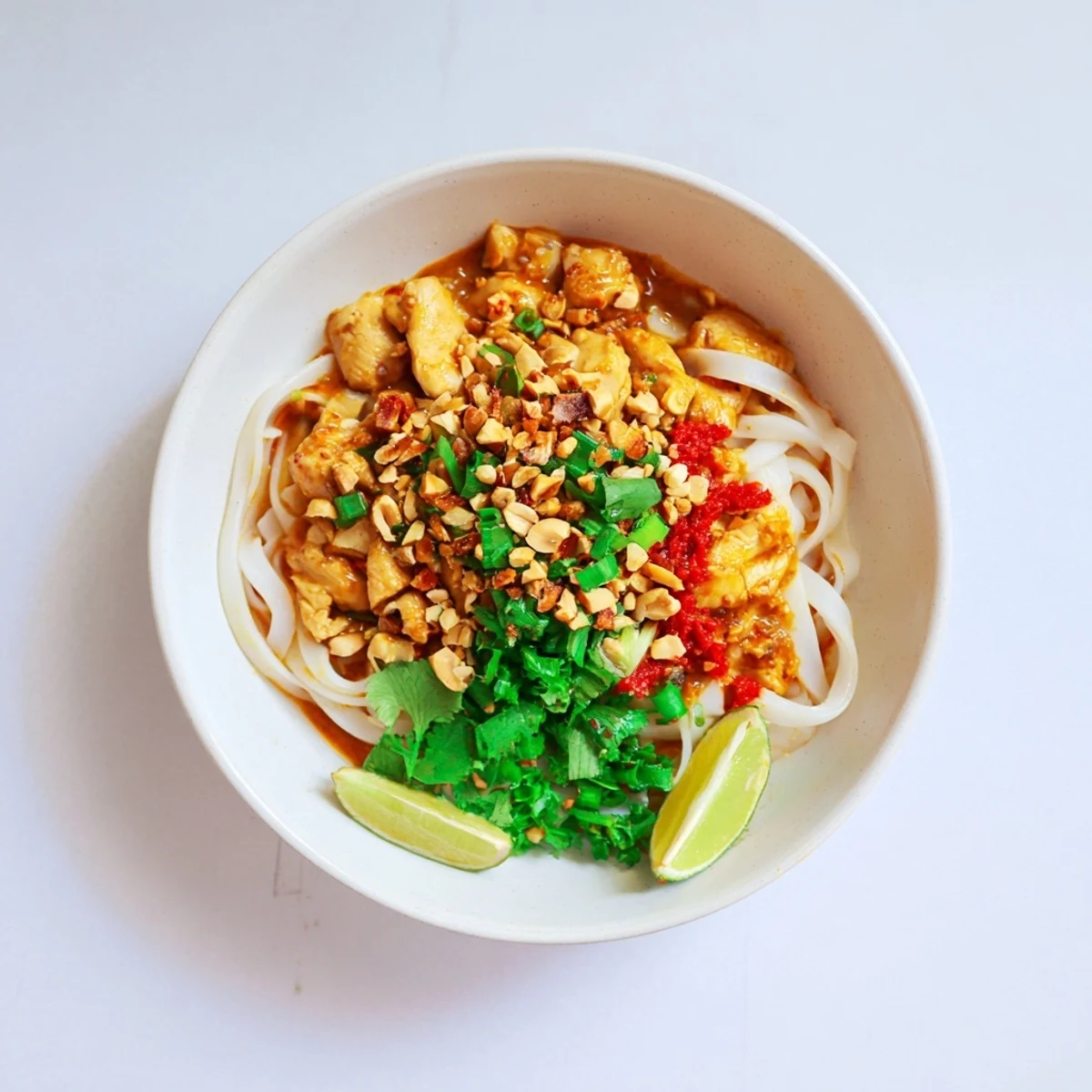
 These Shan noodles bring the authentic taste of Burmese cuisine to your kitchen. Tender flat rice noodles swim in a fragrant sauce made with chicken thighs, fresh tomatoes, and aromatic spices like turmeric and paprika. The magic happens through toppings: tangy pickled mustard greens cut through the richness, while roasted peanuts add essential crunch. Fresh coriander, spring onions, and lime wedges brighten every bowl, and chili oil lets you control the heat. Ready in under an hour, this dish balances textures and flavors perfectly—creamy sauce, springy noodles, crisp vegetables, and nutty garnish.
The first time I encountered Shan noodles was at a tiny family-run Burmese restaurant where the owner's grandmother stirred enormous pots in the back. Something about that rich tomato chicken sauce coating slippery rice noodles felt like a warm hug in bowl form. Now whenever gray weather rolls in, my kitchen fills with those same aromatic spices and I can practically hear her laughter between the sizzle of ginger hitting hot oil.
Last winter during a particularly brutal cold snap I made a massive pot for friends who were stranded at my place. We sat around the coffee table in layers of sweaters building our own bowls with different toppings while snow piled up against the windows. One friend actually licked her bowl clean and asked if there was any sauce left to take home.
Ingredients
- Chicken thighs: Boneless thighs stay tender and juicy even after simmering in the sauce unlike breast meat which can dry out
- Vegetable oil: A neutral oil lets the spices shine without adding competing flavors
- Onion: Finely chopped so they melt into the sauce creating a sweet savory base
- Ginger and garlic: Fresh minced aromatics are non negotiable here that paste is the foundation of the whole dish
- Tomatoes: They break down to create that luscious saucy consistency that makes Shan noodles so comforting
- Soy sauce and fish sauce: This combination gives you saltiness and that essential umami depth
- Turmeric and paprika: Turmeric adds earthiness and that gorgeous golden color while paprika brings gentle warmth
- Chicken stock: Homemade stock makes a difference but good quality store bought works perfectly fine
- Rice noodles: Medium width flat noodles have just the right texture to hold onto the sauce
- Pickled mustard greens: They provide this bright acidic crunch that wakes up your whole palate
- Roasted peanuts: Crushed peanuts add essential texture and a nutty richness throughout
- Fresh garnishes: Spring onions coriander lime and chili oil let everyone customize their final bowl
Instructions
- Build your flavor base:
- Heat that oil in your largest pan or wok over medium heat then toss in those chopped onions. Let them cook slowly until they turn translucent and soft about 4 minutes. You want them to practically melt into the oil.
- Wake up the aromatics:
- Add your minced garlic and ginger to the pan. Stir constantly for just 1 minute until that incredible fragrance fills your kitchen. Do not let them brown or they will turn bitter.
- Bloom the spices:
- Sprinkle in the turmeric and paprika stirring constantly for about 30 seconds. Watch carefully as these ground spices can burn quickly. This step releases their oils and intensifies their flavor.
- Sear the chicken:
- Add those chicken pieces to the pan. Cook for 3 to 5 minutes stirring occasionally until the outside is lightly golden. You are not cooking it through just building flavor.
- Add tomatoes and simmer:
- Toss in the diced tomatoes and cook until they start breaking down and releasing their juices about 5 minutes. The mixture should look thick and fragrant by now.
- Season the sauce:
- Pour in the soy sauce fish sauce and sugar along with salt and pepper. Stir everything together and let it cook for 1 minute so the flavors meld together.
- Create the sauce:
- Pour in the chicken stock and bring everything to a gentle bubble. Reduce heat to low and let it simmer uncovered for 15 to 20 minutes. The sauce should thicken slightly and the chicken should be completely cooked through.
- Prep the noodles:
- While your sauce simmers cook the rice noodles according to package instructions. Drain them well and give them a quick rinse under cool water to stop the cooking and prevent sticking.
- Assemble the bowls:
- Divide those cooked noodles among your serving bowls. Ladle the hot chicken and sauce generously over the top making sure every noodle gets coated.
- Add the toppings:
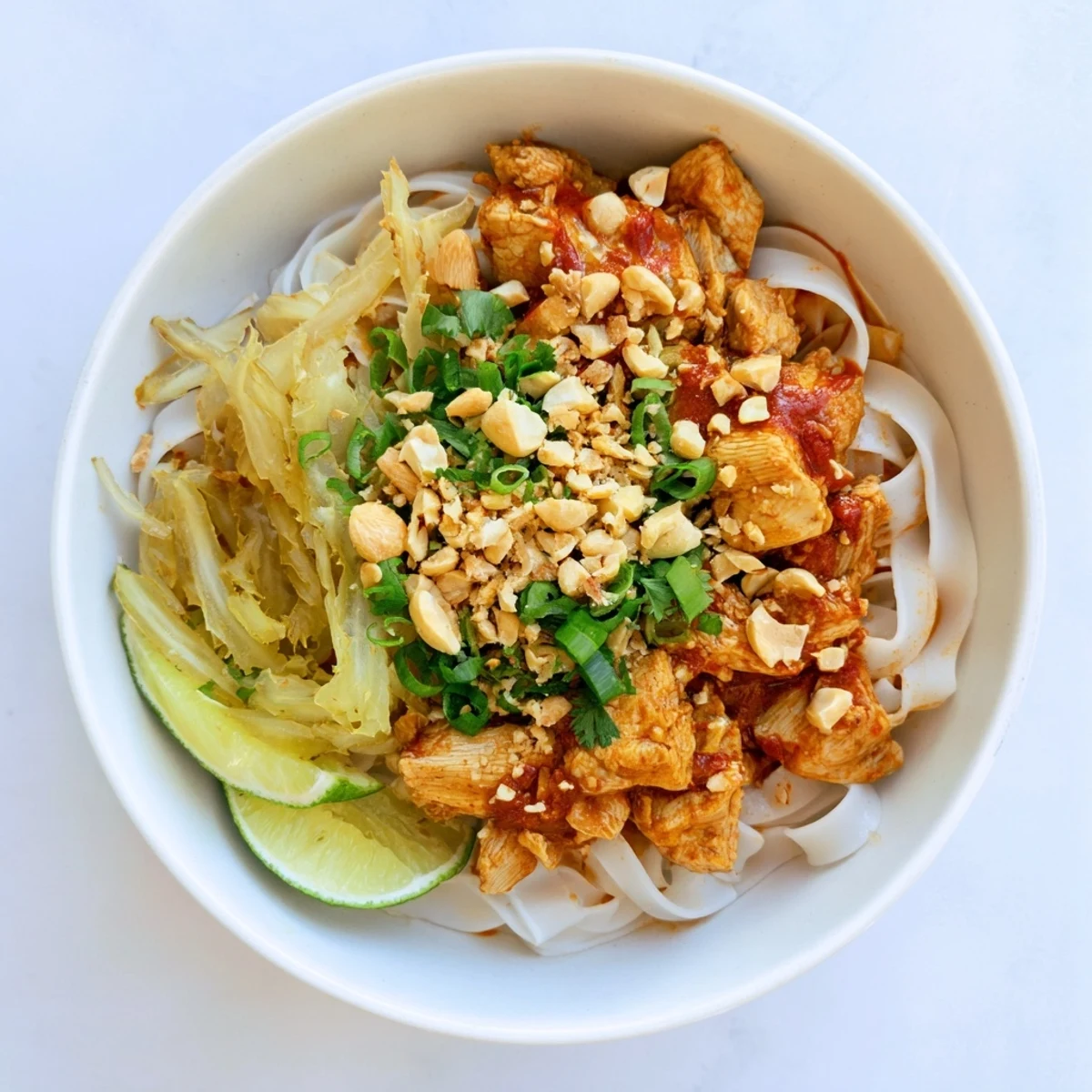
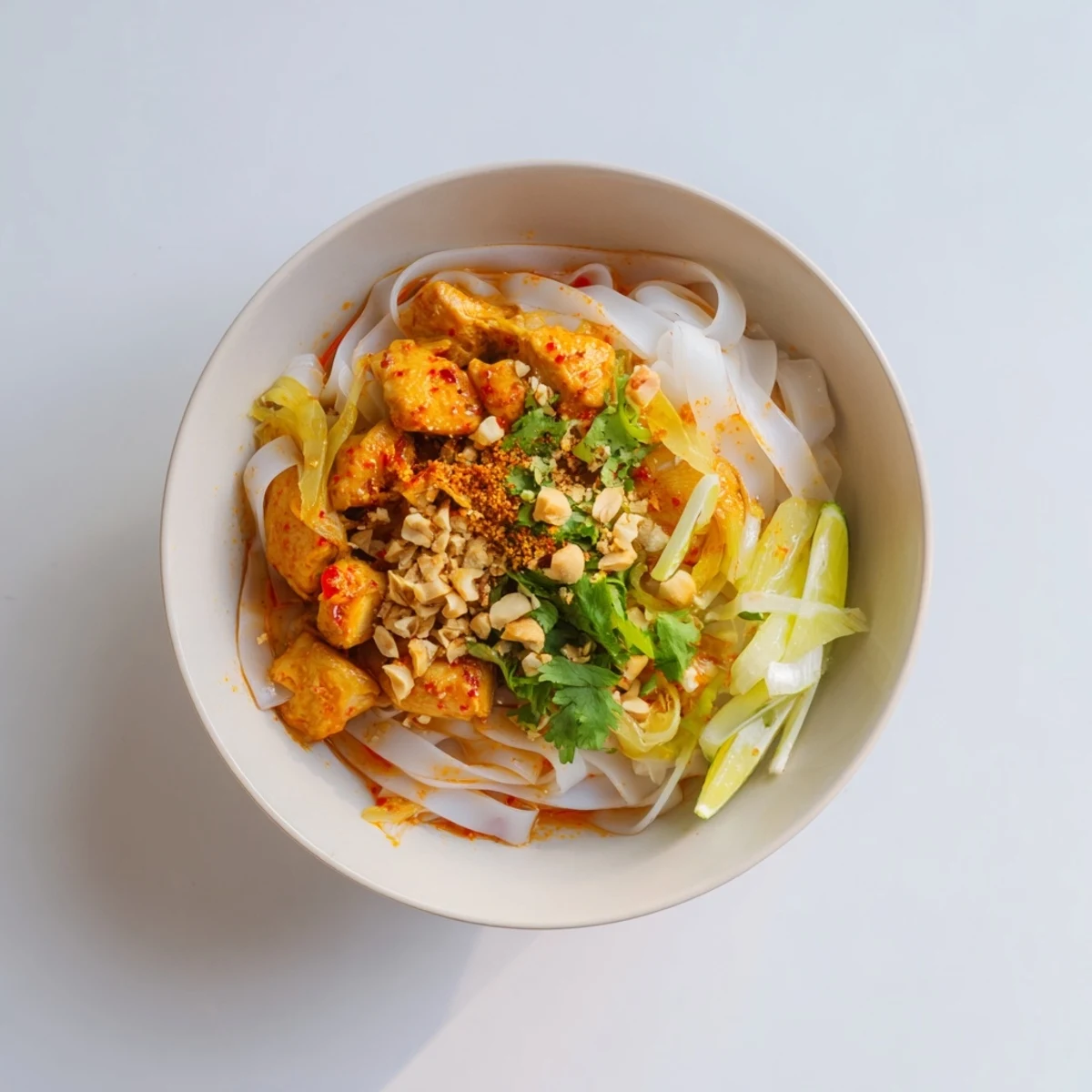
- Scatter pickled mustard greens crushed peanuts spring onions and fresh coriander over each bowl. Serve with lime wedges chili oil or flakes on the side and let everyone customize their own perfect bite.
 Save to Pinterest
 My partner who usually claims to hate tomatoes asked for seconds which I consider the ultimate endorsement. There is something about the way all those components come together that turns a simple noodle bowl into something people remember and request.
Making It Your Own
Sometimes I will add a handful of baby spinach to the sauce in the last 2 minutes of cooking just to sneak in some greens. The spinach wilts beautifully into the sauce without altering the flavor profile at all. You could also swap chicken for shrimp but add them in the last 5 minutes so they do not overcook.
Taming The Heat
I have learned that different brands of chili oil vary wildly in intensity. Start with half the amount you think you need and let guests add more at the table. A little drizzle of chili oil goes a long way and you can always add more but you cannot take it back.
Perfect Prep Ahead
The sauce actually tastes even better the next day after the flavors have had time to meld together. I will often make a double batch on Sunday and portion it out for easy weeknight dinners.
- Cook the sauce completely and cool it before storing in the fridge for up to 3 days
- Keep the noodles and sauce separate until ready to serve or they will become mushy
- Prep all your toppings in advance and store them in airtight containers in the fridge
 Save to Pinterest
 There is something deeply satisfying about a dish that looks impressive but comes together in under an hour. This recipe has earned its permanent spot in my regular dinner rotation and I hope it finds a place in yours too.
Recipe FAQs
- → What makes Shan noodles unique?
-
Shan noodles stand out through their distinctive combination of tender rice noodles with a savory tomato-based chicken sauce infused with turmeric and paprika. The contrast between the rich, aromatic sauce and the crunch of pickled mustard greens plus roasted peanuts creates layers of texture uncommon in other noodle dishes.
- → Can I use fresh rice noodles instead of dried?
-
Absolutely. Fresh rice noodles work wonderfully and reduce preparation time. Simply skip the boiling step and add them directly to the sauce to warm through, or briefly blanch in hot water. They absorb the flavorful sauce beautifully while maintaining their springy texture.
- → What can I substitute for pickled mustard greens?
-
Pickled cabbage makes an excellent alternative with similar tangy crunch and acidity. You could also use pickled radish or even quick-pickled vegetables like carrots and daikon. The key is maintaining that bright, acidic element that cuts through the rich chicken sauce.
- → How do I store and reheat leftovers?
-
Store components separately for best results—the sauce and chicken keep well refrigerated for 3-4 days, while noodles can become mushy if stored together. Reheat the sauce gently on the stove, adding a splash of water or stock if thickened. Cook fresh noodles or briefly refresh stored ones in boiling water before combining.
- → Is this dish spicy?
-
The base sauce has mild warmth from paprika and turmeric, but the heat level is entirely customizable through chili oil or flakes added at serving. This makes it perfect for groups with varying spice preferences—everyone can adjust their own bowl to taste.
- → Can I make this vegetarian?
-
Yes, substitute firm tofu for chicken, cut into similar bite-sized pieces and pan-fried until golden before adding to the sauce. Use mushroom or vegetable stock instead of chicken stock, and replace fish sauce with soy sauce or a vegetarian fish sauce alternative. The result remains deeply satisfying and full of umami.