
 Save to Pinterest
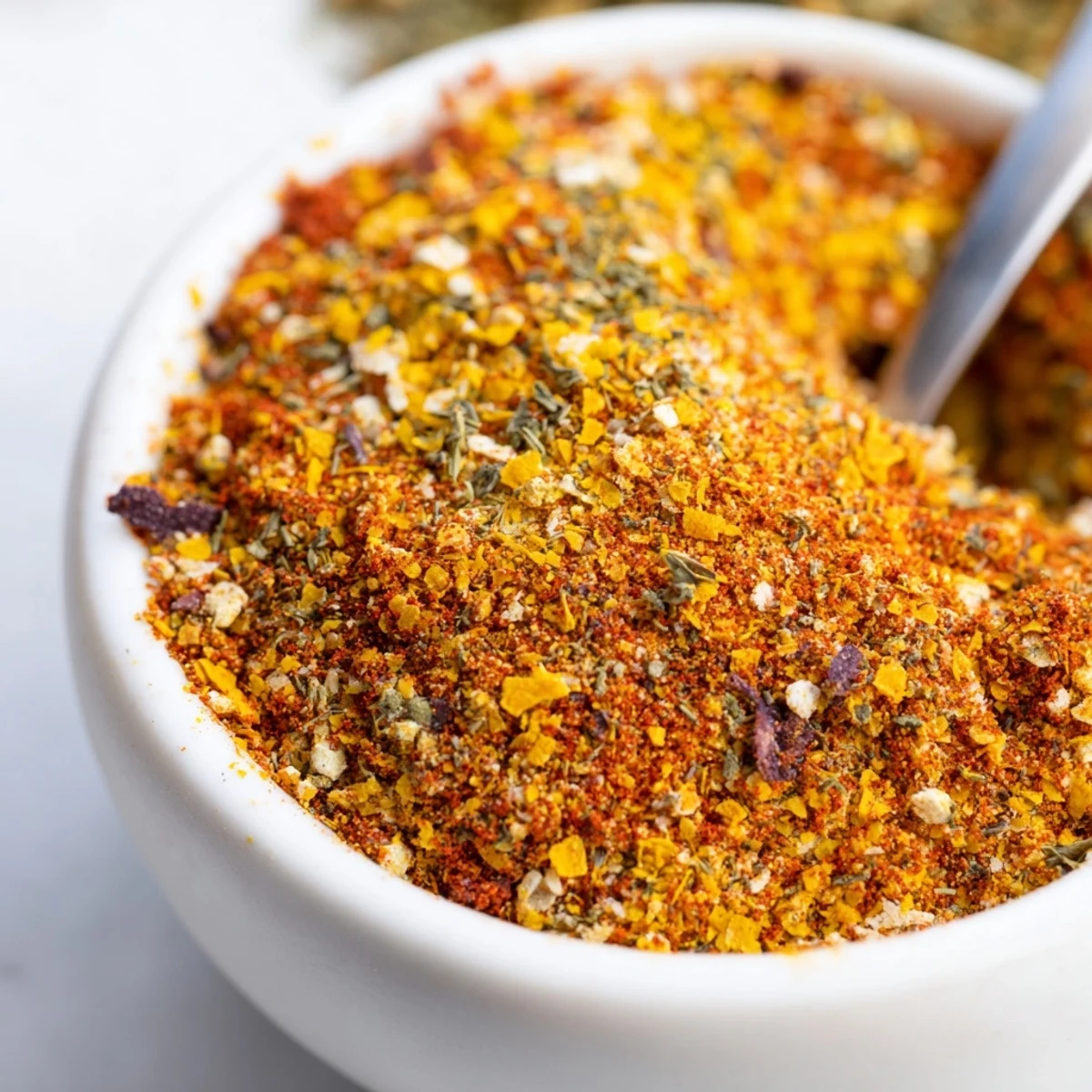
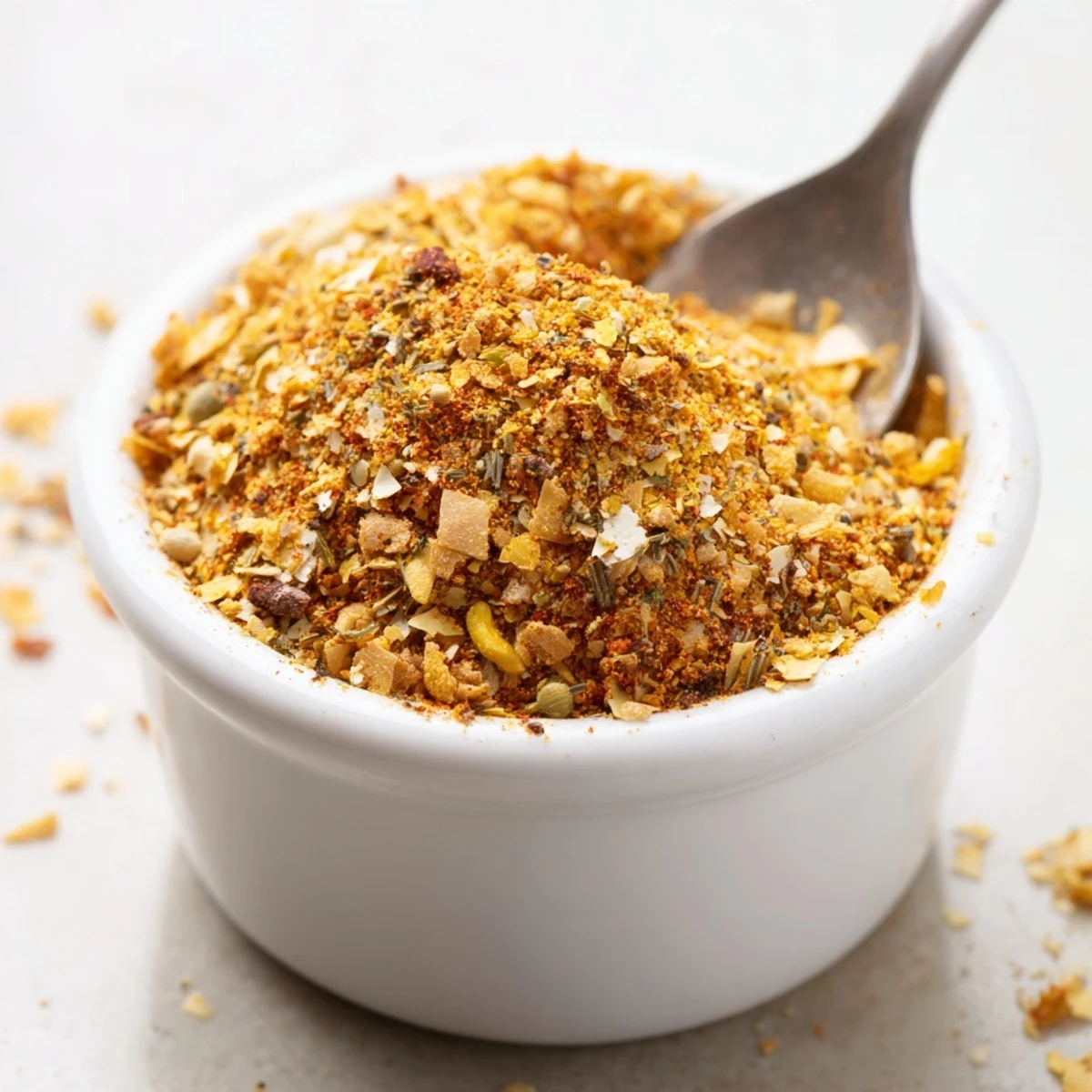
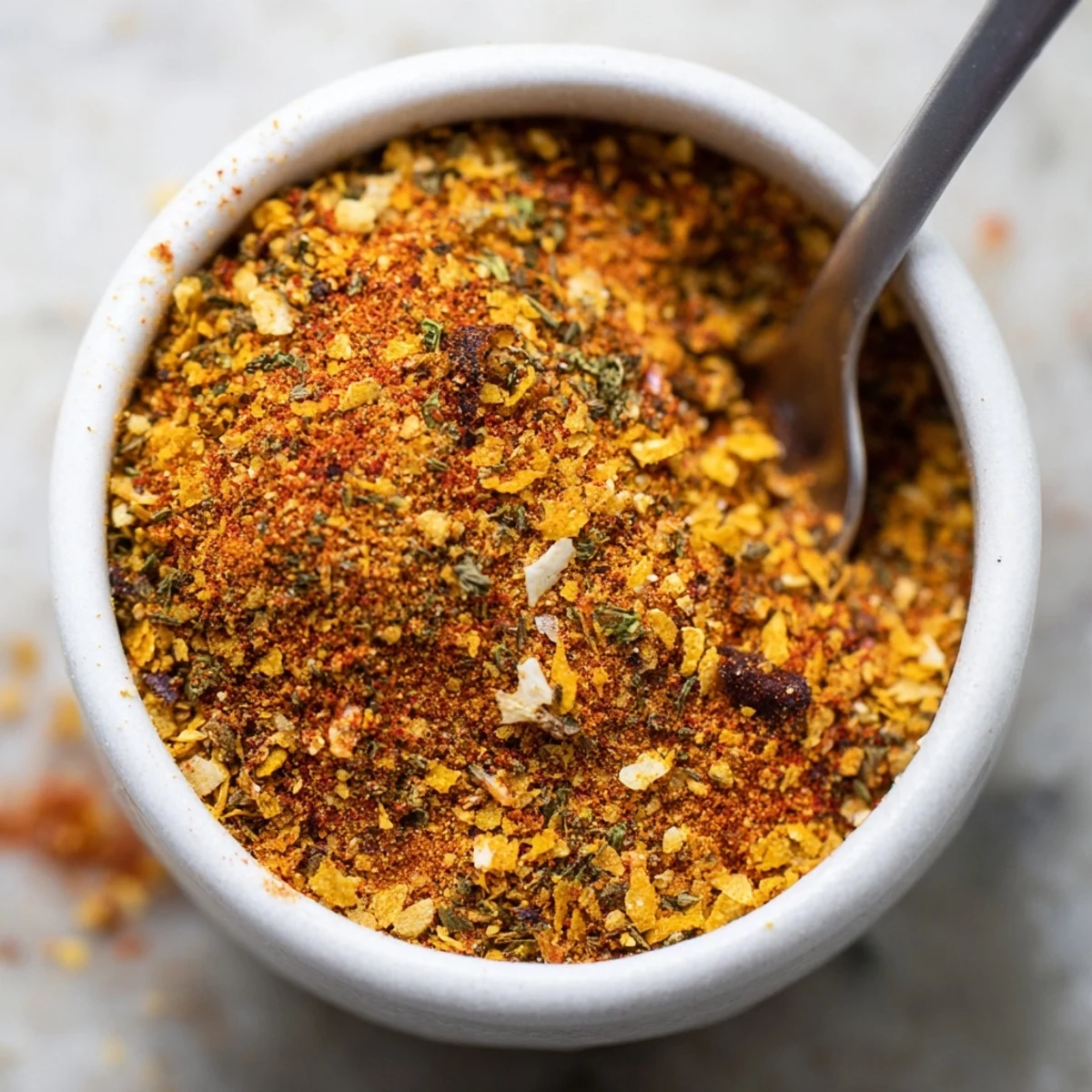
 This vegan chicken seasoning blends nutritional yeast with garlic and onion powders, dried thyme, sage, smoked paprika, turmeric and savory herbs for rich, umami depth. Mix the dry ingredients in minutes, store in an airtight jar for up to six months, and use as a rub, whisked into oil and lemon for a marinade, or stirred into hot water for a quick broth.
The jar of this golden blend sits front and center on my spice shelf because once you make it from scratch, the store bought poultry seasoning will never see the inside of your kitchen again. My sister, who has been vegan for seven years and counting, nearly fell off her stool when she tasted it whisked into a simple broth. The trick is balancing the earthy depth of nutritional yeast with the herbal brightness of thyme and sage. Five minutes of measuring and stirring is all it takes to have a jar that transforms tofu, tempeh, roasted vegetables, and even plain rice into something deeply comforting.
I started making this blend during a rainy October when I was trying to recreate my grandmothers soup without using chicken stock, and after a few attempts, I realized the secret was not one single ingredient but the way sage and white pepper conspire together. Now I keep a jar in my bag when I travel to friends houses because their spice cabinets are never as well stocked as mine.
Ingredients
- Nutritional yeast flakes (2 tbsp): This is the backbone of the blend, providing a savory depth that mimics the richness usually associated with chicken. Use flakes rather than powder for better texture and a nuttier flavor.
- Garlic powder (1 tbsp): Essential for building the base of savory flavor. Fresh garlic works in marinades but the dried powder disperses evenly throughout the blend.
- Onion powder (1 tbsp): Works hand in hand with garlic powder to create a rounded, aromatic foundation.
- Dried thyme (1 and 1/2 tsp): One of the herbs most closely associated with classic poultry seasoning. Rub it between your palms before adding to release its oils.
- Dried sage (1 and 1/2 tsp): This is the ingredient that makes people close their eyes and say this tastes like Sunday dinner. A little goes a long way so measure carefully.
- Smoked paprika (1 tsp): Adds a subtle smokiness that gives the blend depth and a beautiful warm color.
- Ground turmeric (1 tsp): Primarily here for its golden hue, though it also contributes a mild earthy undertone.
- Dried parsley (1 tsp): Brings a fresh, green note that keeps the blend from feeling too heavy or one dimensional.
- Celery salt (1 tsp): Provides the saline backbone that ties everything together. If you are watching sodium, substitute celery seed instead.
- Ground black pepper (1/2 tsp): Adds a gentle heat and complexity. Freshly ground is always better if you have it.
- Dried rosemary, crushed (1/2 tsp): Crush the needles finely between your fingers because large pieces can be prickly and unevenly distributed.
- Ground white pepper (1/2 tsp): This is my secret weapon. It has a sharper, more floral heat than black pepper and is what gives many traditional poultry seasonings their signature bite.
- Ground coriander (1/4 tsp): A subtle citrusy warmth that most people cannot quite identify but would miss if it were gone.
- Ground marjoram (1/4 tsp): Sweet and slightly floral, it bridges the gap between the heavier herbs and the brighter spices.
- Ground mustard (1/4 tsp): Acts as a flavor enhancer that helps all the other ingredients sing together rather than competing.
Instructions
- Gather and measure everything:
- Pull out all your spices at once so you are not hunting through the cabinet with dusty fingers halfway through. Use measuring spoons meant for dry ingredients and level them off with the back of a knife for accuracy.
- Combine in a mixing bowl:
- Dump everything into a small bowl and whisk or stir vigorously until the color is uniform throughout, with no pockets of turmeric or clumps of nutritional yeast hiding in corners.
- Taste and adjust:
- Dip a clean fingertip in and taste it on your tongue. If it tastes flat, a tiny pinch more sage or white pepper usually fixes it. Trust your palate over the recipe.
- Transfer to storage:
- Pour the blend into an airtight glass jar and label it with the date. Store it in a cool, dark cupboard away from the stove and direct sunlight for up to six months.
- Use as a rub:
- Sprinkle generously over pressed tofu slabs, thick tempeh cutlets, or whole roasted cauliflower and massage it in with your hands before roasting or grilling.
- Use as a marinade:
- Whisk one to two tablespoons of the blend with a quarter cup of olive oil and two tablespoons of fresh lemon juice, then coat your protein and let it sit for at least thirty minutes.
- Use for broth:
- Stir one tablespoon into two cups of simmering water and taste before adding more. This makes a surprisingly convincing golden broth for soups and gravies.
 Save to Pinterest
 One Sunday I brought a jar of this to a potluck and used it to season an entire tray of roasted root vegetables, and three different people asked me for the recipe before the night was over.
A Few Thoughts On Storing Spices
I learned the hard way that keeping spices above the stove destroys their potency in weeks, not months. Your seasoning blend will last its full six months if you tuck the jar into a dark cupboard or drawer away from any heat source. Glass jars with tight lids are far better than plastic bags, which let moisture creep in and turn your carefully blended powder into a sad, clumpy mess.
When To Reach For This Blend
Beyond the obvious uses, I have started adding a half teaspoon to biscuit dough, sprinkling it over popcorn, and even stirring it into cashew cream sauces for an instant savory upgrade. It works beautifully on roasted chickpeas, and a friend of mine swears by it on french fries. Once you have the jar ready, you will find excuses to use it everywhere.
Making It Your Own
Every spice cabinet is different, and part of the joy of making your own blend is adjusting it to your taste over time. Start with the base recipe as written, then tweak it on your second batch based on what you loved and what felt like it was missing.
- Add a pinch of cayenne if you want warmth without overwhelming heat.
- Double the batch because you will go through it faster than you expect.
- Omit the celery salt and use celery seed if you need to keep sodium low.
 Save to Pinterest
 Keep a jar of this on your shelf and you will never wonder how to season plant based proteins again. It is the kind of small kitchen project that pays for itself every single week.
Recipe FAQs
- → How should I store the seasoning?
-
Keep the blend in an airtight jar away from light and heat. Stored properly it will hold best flavor for up to six months; give it a quick sniff before using if stored longer.
- → Can I make a salt-free version?
-
Yes. Omit the celery salt and consider adding ½ tsp celery seed or a pinch more herbs to maintain flavor. Taste and adjust since some substitutes provide different textures.
- → What is the marinade ratio?
-
Use 1–2 tablespoons of seasoning per ¼ cup olive oil and about 2 tablespoons lemon juice. Whisk, coat the protein or vegetables, and marinate at least 30 minutes for good flavor penetration.
- → How do I use this blend to make broth?
-
Add roughly 1 tablespoon of the seasoning to every 2 cups of hot water, stir and taste. Enhance with sautéed vegetables or a splash of soy/miso for deeper umami if desired.
- → Which plant proteins work best with this blend?
-
Tofu, tempeh, seitan and hearty roasted vegetables take this seasoning well. Press and pat tofu dry, coat as a rub before roasting or grilling, or use in marinades for tempeh slices.
- → What can I use instead of nutritional yeast?
-
Nutritional yeast adds savory, cheesy notes; substitute with a small amount of mushroom powder, powdered miso (reduce added salt), or kombu powder to keep umami complexity.